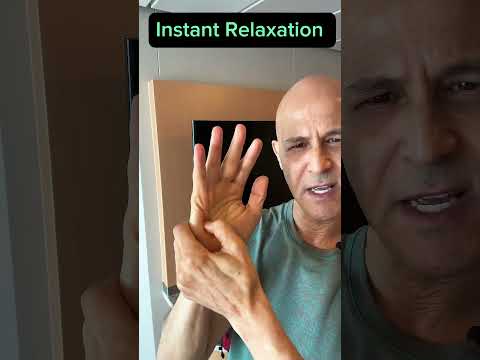
Hey, you! Let’s chat about something we all need: relaxation. You know those days when your mind’s racing a million miles an hour? Yeah, I’ve been there too.
Well, it’s time to breathe a little easier. Literally!
Este blog ofrece contenido únicamente con fines informativos, educativos y de reflexión. La información publicada no constituye consejo médico, psicológico ni psiquiátrico, y no sustituye la evaluación, el diagnóstico, el tratamiento ni la orientación individual de un profesional debidamente acreditado. Si crees que puedes estar atravesando un problema psicológico o de salud, consulta cuanto antes con un profesional certificado antes de tomar cualquier decisión importante sobre tu bienestar. No te automediques ni inicies, suspendas o modifiques medicamentos, terapias o tratamientos por tu cuenta. Aunque intentamos que la información sea útil y precisa, no garantizamos que esté completa, actualizada o que sea adecuada. El uso de este contenido es bajo tu propia responsabilidad y su lectura no crea una relación profesional, clínica ni terapéutica con el autor o con este sitio web.
Calm breathing techniques are like little magic tricks you can use anytime. Whether you’re stressed about work or just trying to chill out after a long day, these techniques can really help.
They’re simple and effective—no yoga mat or incense required. You with me? Let’s take a deep breath and dive into how breathing can help you focus and relax in no time.
Breathing Techniques for Enhanced Focus and Calm: Which Method Works Best?
Breathing is kind of like the unsung hero of relaxation and focus. You know how when you’re stressed, you often take short, shallow breaths? Well, that’s a clue. Breathing deeply can really help calm your mind and sharpen your concentration. But which breathing technique should you try? Let’s break it down.
1. Diaphragmatic Breathing
This method is all about using your diaphragm, which sounds fancy but is pretty simple once you get the hang of it. Place one hand on your belly and the other on your chest. When you inhale, your belly should rise more than your chest. Think of it like blowing up a balloon! This technique sends a signal to your body that it’s time to relax.
2. Box Breathing
This one’s a favorite for many people because it’s structured and easy to remember—kind of like taking a break in between levels in a video game! You’ll breathe in for four counts, hold that breath for four counts, breathe out for four counts, and hold again for four counts before repeating. It’s great when you feel overwhelmed or need to refocus.
3. 4-7-8 Breathing
You might’ve heard about this one floating around online; it’s super practical! You inhale through your nose for 4 seconds, hold that breath for 7 seconds (it’ll feel longer than you’d expect), then exhale through your mouth for 8 seconds—think of a slow whistle as you release the air. This can be particularly helpful right before bedtime too!
4. Alternate Nostril Breathing
Okay, this one might seem quirky at first but bear with me—it helps balance both sides of the brain! You close one nostril while breathing in through the other, then switch nostrils to exhale. Give it a whirl next time you’re feeling unfocused or scattered; it can bring some surprising calm.
To make the most out of these techniques:
- Practice regularly: The more you practice these techniques during calm moments, the easier they will be when you’re feeling stressed.
- Create an environment: Find a quiet space where distractions are low—a cozy corner or even outside can work wonders.
- Set aside time: Just five to ten minutes daily can greatly enhance your overall focus and relaxation.
So here’s what I think—breathwork doesn’t replace professional help when things get tough mentally or emotionally; it’s just another tool in your toolkit for dealing with life’s ups and downs. You don’t have to pick just one technique either; mix them up! What matters is finding what works best *for you*.
In short? Take some deep breaths! It might feel simple, but those moments spent focusing on how you breathe can really lead to greater clarity and peace of mind in our chaotic world.
Exploring the Benefits of Breathwork for Managing POTS Symptoms
Breathwork, or the practice of controlling your breath, can be a game changer for managing symptoms related to POTS (Postural Orthostatic Tachycardia Syndrome). It’s a condition characterized by an abnormal increase in heart rate when transitioning to standing. This can lead to dizziness, fatigue, and lightheadedness — not fun at all.
So how does breathwork fit into this? Well, calm breathing techniques help you relax and focus. They engage your parasympathetic nervous system, which is like hitting the brakes on stress. You know how it feels when you start freaking out about something? Your heart races and you can’t think straight. Breathwork helps counteract that.
Here are some benefits of breathwork specifically for managing POTS symptoms:
- Reduces anxiety: Slowed breathing can lower anxiety levels. When you’re less anxious, it helps with that racing heart feeling.
- Improves oxygen intake: Deep, mindful breathing increases oxygen flow to your body. Think of it as giving your cells a refreshing drink!
- Enhances blood circulation: Certain breathing techniques can promote better blood flow which is super important for POTS patients.
- Aids in relaxation: Just taking a few moments to breathe deeply can switch your body from panic mode to chill mode.
Picture this: you’re standing in line for a roller coaster. Your heart starts racing just thinking about it! You take a moment to breathe in deeply through your nose and out slowly through your mouth. Almost immediately, you feel calmer! That’s breathwork at play!
A method called the «4-7-8 Technique» might be helpful here. You inhale through your nose for four seconds, hold the breath for seven seconds, then exhale slowly through your mouth over eight seconds. It sounds simple but wow — it really helps ease tension.
But don’t think that breathwork replaces professional treatment or care; it’s more like an added tool in your toolbox. If you’re dealing with POTS or any serious health condition, make sure you’ve got support from healthcare professionals who understand what you’re going through.
In summary, incorporating calm breathing techniques into daily life could provide relief from some POTS symptoms and enhance overall well-being — well worth trying out! Remember: take things slow and give yourself grace as you explore these practices.
Effective Calm Breathing Techniques for Relaxation and Focus on YouTube
So, let’s talk about calm breathing techniques. It’s like having a little tool kit in your back pocket for when life gets hectic. Seriously, knowing how to breathe properly can help you relax and stay focused. You might be asking yourself, “How does that even work?” Well, let’s break it down together.
First off, breathing is one of those things we do all the time without thinking about it. But when you actually pay attention to your breath, it can make a huge difference in how you feel. Here are some key points:
- Deep Breathing: This one’s a classic. It involves taking slow, deep breaths to fill your lungs completely. Inhale through your nose for a count of four, hold it for four seconds, and then exhale through your mouth for another count of four. Try doing this for five minutes straight. You might feel like you’re floating afterward!
- Box Breathing: Think of this as a mental game! Picture drawing a box in the air as you breathe: inhale for four counts while visualizing the bottom side of the box; hold for four counts as you trace up the side; exhale for four counts going across the top; and then hold again while tracing down the last side. This rhythmic pattern can help ground you.
- 4-7-8 Breathing: Here’s another great one! Inhale deeply through your nose for four seconds, hold that breath for seven seconds (this might feel a bit intense—just roll with it!), and then exhale slowly through your mouth for eight seconds. It’s supposed to be super calming.
- Mindful Breathing: This is where you truly become aware of each breath. Find a quiet spot and focus on how your body feels as you breathe in and out—like noticing the rise and fall of your chest or feeling the air moving in and out of your nostrils.
When I first tried deep breathing techniques during finals week back in college, I was amazed at how much calmer I felt when anxiety started creeping in like an unwelcome guest! Just sitting there with my eyes closed and focusing on my breath really helped me shake off some stress.
And hey, if you’re looking to practice these techniques visually or get guided sessions, check out **YouTube**. There are tons of videos out there that can help demonstrate these breathing exercises step by step—definitely worth checking out!
Remember though, although these calm breathing techniques can seriously help with relaxation and focus during stressful situations or anxiety spells, they’re not replacements for professional help if you’re dealing with deeper issues.
So next time you’re feeling overwhelmed or distracted—maybe even playing that intense video game where everything’s happening at once—try taking a few moments just to breathe deeply instead! It could really make a difference in how tuned in (and relaxed) you feel afterward!
You know those days when everything feels chaotic? Like you’re juggling a million things at once, and your brain seems to be running a marathon? Yeah, we’ve all been there. I remember this one time, I was in the middle of a major work deadline, and my mind felt like it was about to explode. Seriously! I had all these thoughts bouncing around in my head. That’s when I stumbled upon calm breathing techniques. And wow, what a game changer!
So, let’s talk about this. Breathing is something we do automatically, but when you intentionally focus on it? It can completely shift your state of mind. The cool part is that calm breathing techniques are super simple and don’t require any special equipment or fancy skills. Just you and your breath.
For example, have you ever tried the 4-7-8 method? It’s like a mini-vacation for your brain! You breathe in quietly through your nose for four counts, hold that breath for seven counts (yes, seven!), and then exhale completely through your mouth for eight counts. It might feel strange at first, but give it a go! When I first tried it during that hectic workweek—I thought I might hyperventilate—but instead, I felt this wave of relaxation wash over me.
And if you really want to bring on the zen vibes, try focusing on how your body feels while you breathe. Notice how your chest rises and falls with each inhalation and exhalation. You can even visualize something calming—maybe an ocean wave or a serene forest scene—and let it guide your breath. It’s amazing how quickly you can ground yourself when you’re feeling scattered.
Calm breathing doesn’t just help with relaxation; it’s also like hitting the reset button on focus! When you’re deep into something but find yourself stuck in the weeds—take a break! A few minutes of focused breathing can clear that mental fog like nothing else.
Look, I know life gets busy and overwhelming sometimes; that’s just part of being human. But carving out even five minutes for some intentional breathing can seriously help anchor you back to where you need to be—whether it’s tackling that work project or simply finding peace amidst the chaos.
So next time you’re feeling like you’re caught up in that tornado of stress or distraction—remember that calming down is as easy as taking a few focused breaths. Seriously! Give it a shot; it’s one of those little practices that makes such a big difference in our crazy lives!