Hey you! So, let’s chat about something that, like, totally sneaks up on us—work-related stress. You know those days when you feel like your brain’s in a blender? Yeah, that’s what I’m talking about.
Este blog ofrece contenido únicamente con fines informativos, educativos y de reflexión. La información publicada no constituye consejo médico, psicológico ni psiquiátrico, y no sustituye la evaluación, el diagnóstico, el tratamiento ni la orientación individual de un profesional debidamente acreditado. Si crees que puedes estar atravesando un problema psicológico o de salud, consulta cuanto antes con un profesional certificado antes de tomar cualquier decisión importante sobre tu bienestar. No te automediques ni inicies, suspendas o modifiques medicamentos, terapias o tratamientos por tu cuenta. Aunque intentamos que la información sea útil y precisa, no garantizamos que esté completa, actualizada o que sea adecuada. El uso de este contenido es bajo tu propia responsabilidad y su lectura no crea una relación profesional, clínica ni terapéutica con el autor o con este sitio web.
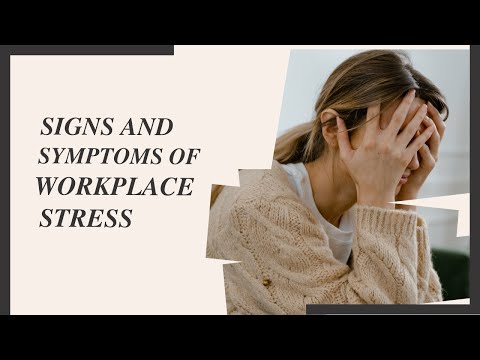
It can be tricky to spot the signs because they creep in slowly. One minute you’re fine, and the next, you’re snapping at coworkers or dragging your feet just to get through the day.
Seriously, it messes with your mood, energy, and even sleep. And it’s not just about what happens at the office; it spills over into your life outside of work too.
So grab a comfy chair and let’s figure out how to recognize those sneaky signs before they turn into something bigger. Trust me; it’ll be worth it!
Top 10 Workplace Stress Factors and Their Psychological Impact
- Heavy Workloads: You know when you feel like you’re juggling a million things at once? That’s the stress of a heavy workload. It can make you feel overwhelmed and anxious, leading to burnout if it goes on too long. Ever played a game where you had to manage resources? Picture trying to keep all those balls in the air without dropping one. It’s tough!
- Deadlines: Oh man, deadlines can be killer! They create this sense of urgency that can crank up your anxiety levels. If you find yourself racing against time constantly, it’s no wonder you feel stressed. Remember that feeling when you’re running out of time in your favorite game? It’s intense, right?
- Lack of Control: When you don’t have a say in how things are done or what your job looks like, it can feel suffocating. Imagine playing a game where someone else controls all your character’s moves—you’d probably want to throw the controller! It leads to frustration in real life too.
- Poor Work-Life Balance: If work feels like it’s eating up all your free time, ya know, that’s stressful too. Feeling guilty when you’re not working is just wrong! It’s kind of like trying to finish a level without taking breaks—you’ll burn out eventually.
- Difficult Colleagues: Interacting with challenging coworkers can drain your energy fast. Think about team games where one player doesn’t cooperate—it ruins everything for everyone else too! This tension leads to frustration and affects overall job satisfaction.
- Job Insecurity: Worrying about losing your job is like having a shadow lurking over your head all the time. It creates constant stress that may affect how well you perform; it’s hard to focus when worries take center stage! Just think about those games where the stakes are high and losing means starting all over again.
- Unclear Job Expectations: When expectations aren’t clear, confusion reigns supreme! This uncertainty can lead to poor performance and heightened stress levels—like playing a game without knowing what the rules are. You’re bound to make mistakes!
- Lack of Support: Not having support from management or peers? That feels isolating! You could be playing co-op mode alone while everyone else is off doing their own thing—it doesn’t feel good at all. Support fosters teamwork and reduces stress.
- Long Hours: Working late nights or long hours can really take a toll on both body and mind. It’s comparable to grinding through endless levels without any breaks—it zaps your energy and motivation!
- Monotonous Tasks: Doing repetitive work day in and day out can make anyone feel unenthused and stressed out—imagine gaming with the same boring mission over and over again! Your brain craves variety; otherwise, fatigue sets in.
Recognizing these workplace stress factors is key so you can stay on top of them instead of letting them pile up until it’s overwhelming. If any of these sound familiar, hey—don’t hesitate to reach out for support from professionals who really know their stuff when it comes to mental health issues!
Understanding the Physical Symptoms of Work-Related Stress: A Comprehensive Guide
Recognizing work-related stress is crucial for your health and well-being. It’s super common, honestly. You know how sometimes you feel this tightness in your chest right before a big meeting? Or maybe you can’t sleep because your mind won’t switch off? Those are just a couple of signs that might show that stress is creeping in.
Physical Symptoms of Work-Related Stress
Stress can manifest in various ways, especially physically. Here are some common symptoms to keep an eye on:
- Headaches: Constant tension headaches can feel like a vice around your temples.
- Fatigue: Doesn’t matter how much you sleep, you still feel wiped out?
- Muscle Tension: Ever find yourself clenching your jaw or hunching your shoulders? That’s stress at work!
- Digestive Issues: An upset stomach or changes in appetite can pop up when you’re feeling overwhelmed.
- Poor Sleep: Tossing and turning all night? Stress can totally mess with your sleep cycle.
- Skin Problems: Breakouts or rashes might come out of nowhere when you’re stressed.
You get that feeling when you’re playing a game and the clock is ticking down? The pressure ramps up, right? Well, that pressure can lead to similar physical signs in real life. It’s like your body’s way of saying, “Whoa there! Slow down!”
The Connection Between Mind and Body
What happens here is pretty fascinating: stress isn’t just a mental game; it’s physical too. When you’re stressed, your body releases hormones like cortisol. This is what gets the heart racing and muscles tensing up – basically prepping you for «fight or flight.»
If you’ve ever been super immersed in a game where every win feels electric but also stresses you out, that’s kind of the same thing! Your body reacts to those high-stakes moments as if they were real threats.
Coping With Work-Related Stress
So now that we know what to look out for, let’s chat about coping strategies. You might not be able to change your job overnight, but there are steps you can take:
- Create Boundaries: Turn off work emails after hours. Seriously!
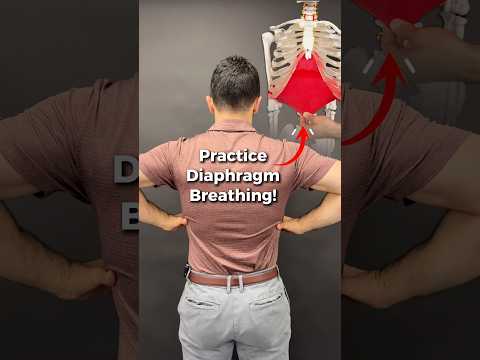
- Practice Relaxation Techniques: Things like deep breathing or yoga can really help ease tension.
- Talk it Out: Sometimes just chatting with someone – a friend or family member – makes a huge difference.
It’s essential to remember that these strategies aren’t a cure-all and don’t replace professional help if things get too overwhelming. If those symptoms persist or worsen, reaching out to a mental health professional could be key.
Your Well-Being Matters
At the end of the day, being aware of work-related stress—and its physical symptoms—allows you to take action early on. Just like leveling up in any game makes it more enjoyable, taking care of yourself makes life way better as well! Stay mindful and keep an eye on those cues from your body; after all, it knows more than we give it credit for.
Identifying the Key Signs of Burnout in Everyday Life: A Comprehensive Guide
Burnout can sneak up on you, often looking like a normal part of life – but it’s not. It’s that overwhelming feeling, you know? When everything feels just too much, and even getting out of bed is a chore. Here’s how to catch the key signs of burnout in your everyday life.
First things first, emotional exhaustion is one of the biggest red flags. You might notice you’re feeling drained or empty after a long day at work. It’s like playing a video game where your health bar is constantly in the red and no matter how many power-ups you pick up, it never seems to recover.
- Increased Cynicism: When you’re rolling your eyes at every little thing—like that coworker who always comes in with overly positive vibes—it might be more than just annoyance.
- Reduced Performance: Tasks that were once manageable start taking forever or feel impossible. Think about when you’re stuck on a level in a game and can’t seem to make any progress; frustrating, right?
- Physical Symptoms: Ever notice headaches or stomach issues popping up more frequently? Your body has its way of signaling distress—it’s like when your console overheats during an intense gaming session!
- Difficulties Concentrating: If you catch yourself zoning out during meetings or staring blankly at your computer screen, it’s like trying to read while someone changes the channel on the TV!
- Withdrawal from Activities: Not wanting to hang out with friends or skipping that team outing? Isolation can creep in quietly but show definite signs of burnout.
You might also experience feelings of incompetence. Like, “Can I even do my job anymore?” This self-doubt can eat away at your confidence faster than losing all your lives in a game where you used to win easily.
If any of this sounds familiar, it might be time to hit pause and evaluate what’s really going on. Taking care of yourself doesn’t mean being selfish; it means recognizing your limits—just like knowing when to take a break from an exhausting game level instead of pushing through and getting frustrated.
I mean, everyone has their bad days! But if you’ve noticed these signs lingering for weeks or months, that’s when things get serious. Remember, this isn’t professional help—it’s just some friendly advice based on genuine observations!
You deserve support if you’re feeling burnt out! Talking things through with friends can help lighten the load, or seeking out professional guidance could be beneficial too—because sometimes we all need extra lives in our real-life games.
The bottom line is that spotting burnout early makes all the difference in getting back on track. So keep these signs in mind as you navigate daily life; it’s completely okay to want to hit «restart» when things get tough!
You know, work-related stress is like that pesky little shadow that creeps up on you without a warning. One moment you’re cruising through your to-do list, and the next, everything feels heavier than a stack of bricks. I’ve been there, and I bet you’ve felt it too!
So, how do you recognize when work stress is playing tricks on your mind and body? It starts subtly—maybe you notice you’re getting snappy over little things. Like that time last week when your coworker asked to borrow a pen, and you nearly lost it! Seriously, it can be eye-opening when you realize your emotions are bouncing all over the place.
And did you ever catch yourself waking up in the middle of the night? Or feeling tired even after a full night’s sleep? That’s another red flag! When your brain won’t switch off or you’re feeling exhausted all the time, it’s like your body’s yelling out for help. Take a moment to check in with yourself—you might find those endless emails are taking more of a toll than you’d like to admit.
But hey, there’s also the physical signs! You know those headaches that seem to pop up outta nowhere? Or maybe your shoulders feel like they’re carrying boulders instead of just… well, air? It’s wild how stress can manifest physically; our bodies really do keep score.
I remember this one time I got so overwhelmed at work that I started feeling nauseous before meetings. My stomach was doing flips like it was auditioning for Cirque du Soleil. It took me hitting rock bottom to realize I needed to chill out. That prompted me to set better boundaries between work and home life—a game-changer for my mental health!
To be honest though—recognizing these signs is only half the battle. The other part is figuring out what to do about them. Maybe it’s taking regular breaks during those marathon meetings or simply stepping outside for some fresh air. You’ve got to find what works for you because ignoring those signs doesn’t make them disappear; they just pile up until they burst like an overinflated balloon.
So yeah, keep an eye on how stress shows up in your daily routine. No one wants burnout lurking around the corner, and honestly? Life’s too short not to enjoy what we do. Just remember: if something feels off, take a moment to pause and reflect on it; recognizing is the first step toward reclaiming peace of mind at work!