Hey, you ever feel like your job is just a bit too much sometimes? Like, the pressure just builds up and suddenly you’re not even sure how it happened?
Este blog ofrece contenido únicamente con fines informativos, educativos y de reflexión. La información publicada no constituye consejo médico, psicológico ni psiquiátrico, y no sustituye la evaluación, el diagnóstico, el tratamiento ni la orientación individual de un profesional debidamente acreditado. Si crees que puedes estar atravesando un problema psicológico o de salud, consulta cuanto antes con un profesional certificado antes de tomar cualquier decisión importante sobre tu bienestar. No te automediques ni inicies, suspendas o modifiques medicamentos, terapias o tratamientos por tu cuenta. Aunque intentamos que la información sea útil y precisa, no garantizamos que esté completa, actualizada o que sea adecuada. El uso de este contenido es bajo tu propia responsabilidad y su lectura no crea una relación profesional, clínica ni terapéutica con el autor o con este sitio web.
Well, stress from work can sneak up on you without a warning. It’s super sneaky, I mean, one day you’re fine and the next you’re feeling overwhelmed.
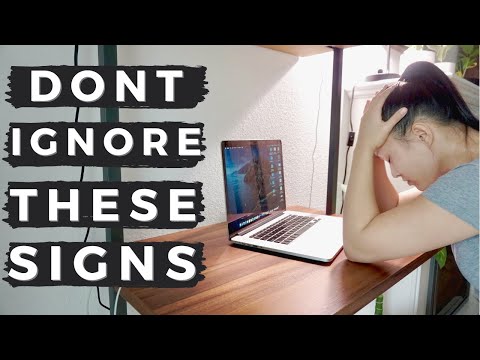
You know what I’m talking about, right? Those little signs that just creep in and say, “Hey! Notice me!” But we often brush them off as no big deal.
But here’s the thing – ignoring stress is like stepping on a tiny Lego at midnight. It hurts more than it should! So let’s chat about those signs of stress that your body is definitely trying to tell you something important.
Recognizing Burnout Symptoms: A Guide to Understanding and Managing Exhaustion
Burnout can sneak up on you like a stealthy ninja, creeping into your life when you least expect it. It’s not just feeling tired; it’s that bone-deep exhaustion where even getting out of bed feels like climbing a mountain. If you’re working hard and feeling overwhelmed, it’s time to check in with yourself.
So, what are the symptoms of burnout? Let’s break this down. You might notice some of these signs showing up:
- Chronic Fatigue: Feeling drained, even after a good night’s sleep? Yeah, that’s a big one.
- Increased Irritability: Getting annoyed at little things? Like when your favorite coffee shop runs out of your go-to drink? Not cool.
- Reduced Performance: Tasks that used to be easy now feel like climbing Everest? You’re not alone.
- Lack of Motivation: Can’t seem to find the drive to finish that project or even get started? Yep, that’s burnout talking.
- Cynicism: Feeling negative about your job or colleagues can be a clear indicator. It’s like being stuck in a never-ending loop of complaints.
I remember once talking to this friend who was super enthusiastic about his work. Suddenly, he went from “Let’s do this!” to “I don’t care anymore.” It was heartbreaking to see someone I looked up to lose their spark. He had no idea he was burned out until he took a step back and recognized those signs.
What causes burnout? Well, it could be anything from long hours and tight deadlines to lack of support or unclear expectations. Imagine playing a video game where the levels just keep getting harder without any power-ups or breaks. Frustrating, right?
If you find yourself nodding along with any of these symptoms or scenarios, it might be time for a little self-care intervention! Here are some strategies that can help you manage those overwhelming feelings:
- Pace Yourself: Just like in gaming, you need to recharge! Take regular breaks during your workday; walk around or grab a snack.
- Set Boundaries: Say no sometimes! Seriously! You can’t always take on every project without risking burnout.
- Talk About It: Don’t hold everything in—share your feelings with friends or colleagues so they know what you’re dealing with.
- Pursue Hobbies: Remember things that light you up outside work? Dive back into those passions!
No one wants to hit rock bottom before realizing they need help. And while it might sound cheesy, taking small steps toward better balance can make all the difference in how you feel day-to-day.
If these strategies don’t start working after some time—or if burnout seems too heavy—you should definitely consider reaching out for professional help. Seriously! Talking to someone trained can guide you through finding solutions tailored specifically for you.
You deserve all the energy and joy life has to offer. Recognizing burnout is the first step toward reclaiming that spark and enjoying the game again!
10 Clear Signs You’re Recovering from Burnout
Hey there! So, burnout can hit hard, right? It’s like playing a video game on the hardest level and you just can’t seem to win. But the good news is, recovery is possible! Here are some clear signs that you’re on the road to feeling better. Remember, though, if things are really tough, chatting with a pro is always a good move.
- You’re Finding Joy Again – Remember when you loved that hobby? If you’re starting to feel excited about it again, that’s a solid sign! Maybe it’s gardening or playing your favorite video game – whatever it is, joy creeping back in feels great.
- Better Sleep Patterns – If you’re sleeping more soundly and waking up feeling refreshed instead of groggy, hey, that’s huge. Sleep is like life’s power-up; without it, everything feels harder!
- More Energy – You might notice that you have more get-up-and-go during the day. If your couch isn’t calling your name as loudly anymore and you want to go out and do stuff, that’s progress!
- Improved Focus – When you’re burning out, focusing can be as tough as beating that final boss in a game. If you’re finding it easier to concentrate or complete tasks at work, that’s definitely a sign of healing!
- Healthy Coping Mechanisms – Instead of scrolling through social media mindlessly when stressed, maybe you’ve started picking up healthier habits like exercise or meditation. That’s a big win!
- Less Irritability – If little annoyances aren’t getting under your skin anymore and you find yourself snapping less often at loved ones or coworkers – awesome! That means you’re regaining some emotional control.
- A Sense of Purpose – Feeling connected to your work again or finding meaning in what you do? That’s super important! It’s like leveling up your character by discovering new abilities.
- Bouncing Back from Setbacks – When initial frustrations don’t derail your day anymore and you can handle challenges with resilience—that’s real growth. Just think of it as learning from each failed attempt in a tough game.
- Your Relationships Are Improving – If you’re engaging more with friends or family instead of pushing them away—guess what? Healing happens there too! Building connections is like working together with teammates for the win.
- You’re Setting Boundaries – Learning to say no without feeling guilty means you’re valuing your time and energy. Boundary-setting is like putting on armor before entering battle; it’s essential for protection against burnout.
If any of these resonate with you—awesome! But don’t forget that recovery isn’t always linear; some days will feel better than others. Keep checking in with yourself regularly so you’re aware of where you’re at on this journey. And remember: seeking professional help isn’t a weakness; it’s a smart move towards full recovery!
Effective Strategies for Recovering from Burnout: Tips for Reclaiming Your Well-Being
Burnout can feel like that time when you’ve played your favorite video game for hours and suddenly, your character just can’t move anymore. You know? You’re exhausted, frustrated, and all you want to do is throw your controller. It’s a rough spot to be in, but fortunately, there are effective strategies for bouncing back from burnout and reclaiming your well-being.
First off, look out for those signs. If you’re constantly feeling drained or detached from work, it’s a big red flag. Maybe you’re getting irritable over little things that didn’t used to bother you. Pay attention to these signs; they’re like hints from your mind saying it’s time for a break.
Here are some practical ways to recover:
- Prioritize Self-Care: This isn’t just about bubble baths and chocolate (though those help!). Engage in activities that recharge you—think of it as hitting the “reset” button on your game console.
- Set Boundaries: If work is bleeding into personal time, say “no” more often. Just like in a multiplayer game where teamwork is key, you need support too. Don’t hesitate to share responsibilities.
- Establish Routines: Create daily habits that help ground you. A consistent morning routine can be like leveling up your character’s skills—each step makes you stronger throughout the day.
- Pursue Hobbies: Dive into activities that bring joy outside work. Whether it’s painting or gaming with friends, doing something purely for fun helps take the pressure off.
- Seek Social Support: Don’t underestimate the power of good company! Talking about how you’re feeling with friends or family can lighten the load immensely. They’re like fellow gamers who offer tips on challenging levels!
- Practice Mindfulness: Engage in mindfulness exercises like meditation or simply taking deep breaths. It helps clear mental clutter—kind of like hitting «pause» on everything for a moment.
But hey, even after all this, if you’re still feeling overwhelmed? That’s totally okay! It’s important to know when to seek professional help. Mental health pros can give personalized support that no blog post can replace.
To wrap up this chat: recovering from burnout isn’t always an easy quest—it takes time and effort! Give yourself grace during the process and be proud of each little step towards reclaiming your well-being. Remember, just as every good game has its challenges and power-ups, so does life!
So, work stress, huh? It’s kind of a sneaky little thing. You might not even notice it creeping up on you until you feel like a pressure cooker ready to blow. I remember this one time when I was buried under deadlines and just pushing through. I thought I was fine, but then out of nowhere, my stomach started acting all weird. Turns out, that was my body’s way of yelling at me to slow down.
When we talk about stress from work, you’ve got to pay attention to the signs. You know the classic ones—like feeling constantly tired or maybe like you’re in a fog? Those are pretty obvious. But what about when you start snapping at coworkers over little things or just can’t seem to focus on anything? Yeah, those are red flags too!
And then there’s that sweet little habit of forgetting things. Just last week my buddy couldn’t remember if he’d sent an important email—a big deal in his line of work—because he was so stressed out with everything going on. Stress can really mess with your memory, making it hard to keep track of even the simplest tasks.
Let’s not forget about sleep! If you’re tossing and turning all night or waking up feeling like you ran a marathon in your dreams, that’s no small matter. Sleep is crucial; it’s when your body recharges! If you’re losing sleep over work stuff, something’s gotta give.
Physical symptoms are also common yet often overlooked. Headaches, muscle tension—those annoying aches that seem to pop up outta nowhere could be your body’s way of telling you it’s had enough! Don’t ignore them like they’re just normal parts of life because they aren’t.
Another thing people tend to overlook is how their mood shifts under stress. If you’re finding yourself more anxious or quick-tempered than usual? That could be a sign that work is wearing you down more than you realize.
All in all, being aware and recognizing these signs can make a huge difference in how we handle our stress levels. It’s crucial to give yourself some grace and take steps back when needed. After all, if your body is trying to tell you something important—maybe it’s time we actually listen!