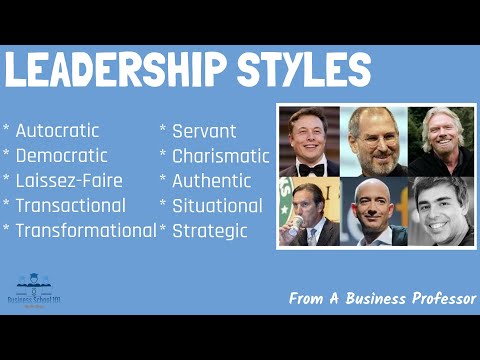
Alright, so let’s talk leadership. You know how some people just naturally take charge while others hang back? It’s pretty wild when you think about it.
Este blog ofrece contenido únicamente con fines informativos, educativos y de reflexión. La información publicada no constituye consejo médico, psicológico ni psiquiátrico, y no sustituye la evaluación, el diagnóstico, el tratamiento ni la orientación individual de un profesional debidamente acreditado. Si crees que puedes estar atravesando un problema psicológico o de salud, consulta cuanto antes con un profesional certificado antes de tomar cualquier decisión importante sobre tu bienestar. No te automediques ni inicies, suspendas o modifiques medicamentos, terapias o tratamientos por tu cuenta. Aunque intentamos que la información sea útil y precisa, no garantizamos que esté completa, actualizada o que sea adecuada. El uso de este contenido es bajo tu propia responsabilidad y su lectura no crea una relación profesional, clínica ni terapéutica con el autor o con este sitio web.
In any workplace, leadership styles totally shape how things roll. Like, have you ever noticed that one manager who’s all about collaboration? And then there’s the one who just needs things done their way?
It really makes a difference!
So, I thought it’d be cool to break down the types of leadership you see in organizations. Seriously, understanding these styles can help you navigate your work life a ton better.
Let’s dig into it!
Understanding 4 Leadership Styles: Practical Examples and Psychological Insights
Leadership styles can seriously shape how a team or organization works. Think of leadership as a video game character; the style you choose can determine every mission’s outcome. Let’s chat about four main types: autocratic, democratic, laissez-faire, and transformational.
- Autocratic Leadership: This style is all about control. The leader makes decisions without much input from team members. Picture a general giving orders on a battlefield—there’s no time for discussion. In a workplace, this could look like a manager that dictates tasks without asking for feedback. While it can lead to quick decisions, it might stifle creativity or lead to resentment.
- Democratic Leadership: Here’s where things get collaborative! A democratic leader values team input and encourages participation in decision-making. Imagine playing a cooperative strategy game where each player contributes ideas to win together. This approach fosters trust and increases engagement, but if overused, it might slow down actions when decisions require immediate attention.
- Laissez-Faire Leadership: This is the «hands-off» approach, allowing individuals to make their own choices. You know that feeling when you’re playing an open-world game? You can roam freely and choose your quests without someone constantly directing you! While this style promotes independence and creativity, it can lead to confusion if team members aren’t self-motivated or lack clarity in their roles.
- Transformational Leadership: Think of this as inspiring your team to reach new heights, just like that moment in your favorite game when you level up! Transformational leaders motivate staff by promoting innovation and change through enthusiasm and vision. They’re not just managing; they’re mentoring and coaching. However, sometimes this high-energy approach might not fit well with every personality type—some people prefer more straightforward guidance.
And here’s the thing: knowing these styles isn’t just for theory’s sake. Understanding how they work helps you figure out what might work best for you or your team.
You might find yourself resonating with one style over another or see leaders around you embodying different approaches at different times—it’s not uncommon! So consider how these styles apply within your unique environment.
In all honesty though, while learning about leadership styles is super useful, if you’re feeling stuck in your own leadership journey—or dealing with tricky dynamics at work—it could be worth chatting with someone who specializes in this stuff professionally.
So there you have it—a quick peek into four key leadership styles! Keep exploring what works best for you while leading others through whatever challenges come your way!
Understanding the 10 Types of Leadership: Insights into Effective Leadership Styles
Sure thing! Here’s a friendly breakdown of different types of leadership styles that can pop up in organizations. This journey through leadership is a bit like exploring characters in a video game, where each leader has unique traits and abilities.
Autocratic Leadership
This style is all about control. An autocratic leader makes decisions independently and expects team members to follow without input. It’s efficient but can feel pretty stifling! Imagine the boss from *The Office* who wants everything done their way—seriously, it can work in times of crisis, but it might not be great for long-term morale.
Democratic Leadership
Flip the script here! In democratic leadership, everyone gets a say. The leader facilitates discussions and encourages team participation in decision-making. Think about how *Among Us* players discuss who might be the imposter—everyone shares insights before a final vote is cast.
Laissez-Faire Leadership
Picture this: a laid-back manager who trusts their team to work independently without much oversight. Laissez-faire leaders provide resources and advice but let others take the wheel. This style works well when team members are highly skilled and motivated, like assembling your ultimate squad in any RPG!
Transformational Leadership
These leaders inspire change by motivating and uplifting their teams. They create a vision for the future that others want to follow. You know those characters in movies who rally their friends to fight for something bigger? That’s transformational leadership at its best!
Transactional Leadership
Think of it as a trade-off: employees get rewards for achieving specific goals or tasks. This type tends to focus on structure, rules, and clear expectations. It’s like leveling up in games where you complete quests for experience points—you know exactly what you need to do!
Servant Leadership
This style flips traditional leadership on its head; the leader puts others’ needs first! A servant leader actively supports and helps team members grow. Imagine Yoda guiding Luke Skywalker—not leading through power but by serving the greater good.
Pacesetting Leadership
If you’ve ever played sports, you probably know this one well! A pacesetter sets high standards for performance and expects others to meet them too. While it can push teams to achieve great things quickly, it can also lead to burnout if not balanced right—just like an overzealous coach pushing for constant wins.
Coaching Leadership
Coaching leaders focus on developing individuals’ skills while providing guidance along the way. They connect with team members on a personal level, helping them reach their potential—kind of like having that wise mentor character guiding you through tough challenges!
Bureaucratic Leadership
Structure-loving bureaucratic leaders thrive on rules and procedures—they’re all about following protocols strictly! While this style ensures consistency, it can sometimes lead to rigidity or slow decision-making—think of red tape slowing down your gaming strategy when all you want is action!
Crisis Leadership
When situations get intense (like a franchise’s epic finale!), crisis leaders take charge decisively and communicate effectively under pressure—they often emerge as strong figures during tough times. Just picture heroes stepping up when everything seems lost—that’s crisis leadership at its heart.
In wrapping this up, these types of leadership styles reflect different approaches that can influence how groups function together! Each has strengths and challenges based on context—and remember, no single approach fits every situation perfectly! If you’re facing problems related to any kind of leadership struggle at work or elsewhere, talking with someone qualified could really help clear things up further!
Understanding Three Key Leadership Styles in Organisational Behaviour
Leadership styles can really shape the vibe of an organization. Think about it—like in a game, where your team’s success can depend on how the captain plays. Well, leaders set the tone and direction in workplaces too! Here’s a look at three key leadership styles that pop up in organizational behavior: **authoritarian**, **democratic**, and **laissez-faire**.
- Authoritarian Leadership
This style is all about control. An authoritarian leader makes decisions unilaterally, expecting team members to follow without input. It’s like a coach who draws up the game plan on a whiteboard and expects everyone to stick strictly to it. This can work well in situations where quick decisions are needed or when team members lack experience. However, it can stifle creativity and feel pretty micromanaged! Imagine being told exactly how to play your part without any room for personal flair; that could get old fast.
- Democratic Leadership
Now we’re getting into the fun stuff! A democratic leader actively seeks input from team members before making decisions, sort of like gathering everyone around for a brainstorming session where every idea counts. This approach fosters collaboration and makes people feel valued. Instead of just being “the boss,” they create an environment where everyone plays a role, much like how teams huddle up during half-time to figure out their strategy together. But you know what? It can slow things down when quick decisions are needed, so balancing input with action is key.
- Laissez-Faire Leadership
Then there’s laissez-faire leadership, which literally means “let it be.” Leaders who adopt this style give their team lots of freedom to make choices about how they work and solve problems. Picture this as a video game player who lets their friends roam freely in an open world, encouraging exploration and creativity without always stepping in with rules or strategies. This can lead to super innovative ideas but beware—if your team isn’t self-motivated or lacks direction, it might turn into chaos instead of creativity.
In summary, each leadership style comes with its own flavor—something useful for different situations within organizations:
- Authoritarian: Good for quick decisions but can limit input.
- Democratic: Fosters teamwork but might slow things down.
- Laissez-Faire: Great for creativity but needs self-motivated individuals.
Understanding these styles is crucial to navigate workplace dynamics effectively! Remember though; this breakdown doesn’t replace professional insights or coaching if you’re looking for deep guidance on leadership development—just some good food for thought!
Leadership, huh? It’s like the secret sauce in a successful organization. You might have noticed how different leaders can create totally different vibes at work. Some are super hands-on while others play it cool and just let their team do their thing. It’s all about how they lead, and there are a bunch of styles that organizations tend to lean on.
Let’s break it down a bit. There’s the classic authoritarian leader—this is the “my way or the highway” type. They make decisions independently, expecting everyone to follow without question. I remember this one time we had a project manager who ran things like that. Sure, it got stuff done fast, but boy did it crush creativity! People felt more like cogs in a machine than part of a team.
Then you’ve got democratic leaders who just love to rally the troops for input before making decisions. They’re all about collaboration. I’ve seen teams thrive under this style; when we had someone who really listened to our ideas, it felt so energizing! That sense of ownership pushed us all to work harder and care more about our output—like we were building something together instead of just clocking in and out.
And let’s not forget about transformational leadership. These folks are inspiring! They motivate their teams by painting a big-picture vision that gets everyone excited. It’s kind of like being on a rollercoaster ride—you hang on tight because you trust where they’re taking you is worth it! I think everyone would agree that when you feel inspired, even tough tasks can feel like an adventure.
But there’s also transactional leadership, which is all about rewards and punishments to keep things running smoothly. It can be effective but feels pretty mechanical if that’s all there is going on in a workplace.
Now, some leaders mix these styles up depending on what the situation calls for—flexibility is key here! A good leader knows when to take charge and when to step back and allow creativity to flow.
So yeah, leadership isn’t one-size-fits-all—it’s this colorful mosaic of styles that can shape an organization’s culture profoundly. Each type has its strengths and weaknesses; it’s finding that balance between them which matters most in creating environments where people can thrive and produce great work together!