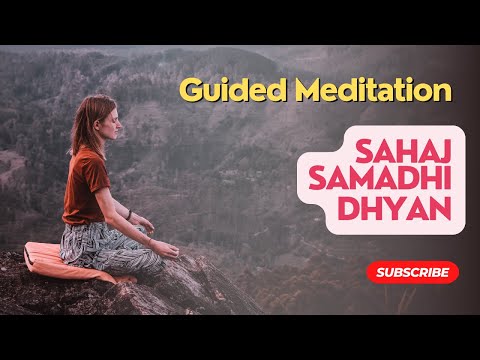
You know those moments when everything just feels too much? Life can be a whirlwind of demands, expectations, and noise. Sometimes, you just want to hit pause and find a little stillness.
Este blog ofrece contenido únicamente con fines informativos, educativos y de reflexión. La información publicada no constituye consejo médico, psicológico ni psiquiátrico, y no sustituye la evaluación, el diagnóstico, el tratamiento ni la orientación individual de un profesional debidamente acreditado. Si crees que puedes estar atravesando un problema psicológico o de salud, consulta cuanto antes con un profesional certificado antes de tomar cualquier decisión importante sobre tu bienestar. No te automediques ni inicies, suspendas o modifiques medicamentos, terapias o tratamientos por tu cuenta. Aunque intentamos que la información sea útil y precisa, no garantizamos que esté completa, actualizada o que sea adecuada. El uso de este contenido es bajo tu propia responsabilidad y su lectura no crea una relación profesional, clínica ni terapéutica con el autor o con este sitio web.
Well, that’s where Sahaj Samadhi comes in. It’s like this cozy little nook in your mind where clarity and calm meet. Imagine being able to step back from the chaos for a bit and really connect with yourself.
What if I told you it’s not as complicated as it sounds? Seriously! It’s about finding that deep inner peace we all crave. So, grab a comfy chair, and let’s explore what Sahaj Samadhi is all about!
Is Sahaj Samadhi Meditation Effective for Personal Growth and Well-Being?
Sahaj Samadhi Meditation is one of those terms that pop up in wellness talks, and you might have heard it a few times. This meditation technique, rooted in ancient traditions, aims to help you achieve a state of deep inner peace and clarity. But is it effective for personal growth and well-being? Let’s break this down.
First off, what’s unique about Sahaj Samadhi? Well, unlike some meditation methods that require intense focus or specific techniques, Sahaj Samadhi invites you to find an effortless state of being. Imagine playing a video game and suddenly hitting that flow state where everything just clicks—you’re in the zone! That’s kind of what this meditation is about.
Now let’s get to the juicy part: how does it contribute to personal growth? Here are a few key points to consider:
- Self-awareness: As you practice, you start recognizing your thoughts and feelings without judgment. This can lead to better decision-making.
- Stress Reduction: Regular practice has shown to lower anxiety levels. It’s like pressing pause on the chaos around you.
- Emotional Balance: You learn to handle emotions more effectively. Think of it as leveling up your emotional intelligence.
- Cognitive Clarity: People often report clearer thinking and improved focus after meditating. Like cleaning out your mental attic!
Now let me share a little story that resonates with this whole idea. A friend of mine was really overwhelmed with work stress. She started practicing Sahaj Samadhi and after a few weeks, she said it felt like her brain was decluttering itself! Tasks became less daunting; she felt more equipped to tackle challenges head-on. That imaginative mental space can really contribute exponentially to personal growth.
But hey—let’s keep it real here! While many people find value in Sahaj Samadhi Meditation, it’s not a magical fix for everything (sorry!). If you’re struggling with serious mental health issues, professional help is key—you should absolutely reach out for support when needed.
In the end, whether it’s about finding that elusive inner peace or working through stressors, Sahaj Samadhi offers some valuable tools for your personal growth journey. It’s all about giving yourself space to breathe and reflect amid life’s whirlwind chaos. So if you’re curious about enhancing your well-being—why not give it a shot?
Understanding the Age Limit for Sahaj Samadhi Meditation: Guidelines and Considerations
It’s interesting to talk about the age limit for Sahaj Samadhi Meditation, especially when it comes to understanding who can benefit from this practice. So, Sahaj Samadhi is all about achieving inner peace and clarity through meditation techniques. But age can play a role in how effective or suitable it is for someone. Here’s the lowdown on what you should know.
Who Can Practice?
Generally, there isn’t a strict age limit for practicing Sahaj Samadhi Meditation. Kids as young as 8 can start learning this technique if they have an interest and the ability to focus during sessions. It’s kind of like teaching them to play an instrument; they need a certain level of attention and discipline.
Considerations for Younger Practitioners:
If you’re thinking about introducing this practice to younger folks, it’s important to consider their maturity level. For example:
- Attention Span: Can they sit still and focus? Meditation often requires that.
- Understanding: Do they grasp what meditation is? A basic explanation helps!
- Guidance: Having a teacher or guide can really help, especially for kids.
I remember when my cousin’s kid started meditating at twelve. At first, she was restless and kept fidgeting, but with some gentle guidance, she learned to embrace those quiet moments, which really changed her outlook.
The Adult Perspective:
Adults don’t have too many restrictions either! You could be a sprightly twenty-something or even in your golden years. But keep in mind:
- Mental Readiness: Are you open to exploring and practicing meditation regularly?
- Health Issues: If you have any physical constraints that make sitting or focusing difficult, it’s good to chat with a professional about whether this practice suits you.
A friend of mine started Sahaj Samadhi in her late forties after dealing with stress at work—she credits meditation for bringing more balance into her life!
The Role of Professional Guidance:
Remember that while Sahaj Samadhi offers great tools for inner peace and clarity, it doesn’t replace professional therapies when needed. If someone is struggling with emotional issues or mental health problems, it’s vital to seek out professional help alongside practicing meditation.
In summary, there are no fixed age limits for Sahaj Samadhi Meditation; kids as young as eight can join if they’re ready! Adults find value in this practice too—no matter their stage of life. With the right mindset and potentially some professional guidance, anyone can explore what this beautiful path has to offer!
Evaluating the Authenticity of Sahaja Yoga: Insights into Its Psychological Benefits
Sahaja Yoga is a unique practice, you know? It’s about achieving a state of inner peace and clarity through a form of meditation. Sounds nice, right? But how do we know it’s the real deal when it comes to psychological benefits? Let’s break it down.
First off, Sahaja means «born with you.» It aims to help you connect with your true self. When you meditate using this technique, many people report feeling a sense of calm that seems almost magical. The idea is that by focusing inward, distractions fade away. But is that genuine? Well, there’s quite a bit of anecdotal evidence out there.
Here are some potential psychological benefits reported by practitioners:
- Stress Reduction: Regular practice can lead to lower levels of stress and anxiety.
- Increased Clarity: Many claim they experience heightened awareness and insight into their emotions.
- Emotional Healing: It might help individuals work through emotional blocks or trauma.
- Sense of Community: Joining groups can create social connections and support networks.
Think about when you’re deeply engaged in a video game. You get so absorbed that external worries just slip away. Sahaja Yoga has that potential too! It encourages mindfulness—similar to getting lost in the world of your favorite game.
Now, let’s not forget the skeptics out there. Some argue that while personal stories are inspiring, they don’t substitute for scientific research. Hard data matters too! Studies around meditation generally show improvements in mental well-being but do not focus on Sahaja specifically. This doesn’t mean it lacks merit; it’s just more tricky to pin down scientifically.
The practice also emphasizes the need for guidance—so if someone is exploring this path, connecting with experienced teachers could be beneficial. It’s kind of like having a gaming mentor who knows all the levels and can help you avoid pitfalls!
You’ve got to remember though: engaging with any meditative practice should complement professional mental health support, not replace it. If you’re dealing with significant mental health issues, reaching out to licensed professionals is always a good idea.
In all honesty, Sahaja Yoga seems to offer some intriguing psychological benefits based on personal experiences from practitioners. But like anything else in life worth doing—do your homework! Explore its authenticity and see how it resonates with your own journey toward inner peace and clarity.
So, Sahaj Samadhi, huh? That’s quite a mouthful, right? But seriously, what it boils down to is finding that deep inner peace and clarity that many of us are desperately seeking in our chaotic lives. It’s like a gentle nudge towards reconnecting with yourself, amidst all the noise and distractions.
You know how sometimes you just feel overwhelmed? Like there’s too much going on in your mind, and you can’t seem to quiet it down? I remember this one time after a long week at work; my brain felt like it was running a marathon. I couldn’t even enjoy my favorite show without my thoughts buzzing around like bees. Then I heard about this thing called Sahaj Samadhi meditation. Intrigued, I gave it a shot. Just a few minutes of focused breathing—and suddenly it felt like someone hit the mute button in my head! Wild, right?
What’s beautiful about Sahaj Samadhi is how simple it is. You don’t need to be some Zen master or have years of meditation experience under your belt. It’s all about being present and allowing yourself to feel the stillness without chasing after thoughts or distractions. By using a mantra that resonates with you—much like having your personal little anchor—you can arrive at this state of relaxation that feels almost magical.
Practicing this technique regularly can help you sift through all that mental clutter and gain clarity on what really matters in life. Over time, folks say they start feeling more grounded and centered—like they’re not just floating through life but actually living it.
And sure, there may be days when sitting down seems impossible because life just happens! But that’s perfectly okay too! The key is to be gentle with yourself as you explore this path toward inner peace. Everyone’s journey looks different, you know? And sometimes the little detours end up teaching us the most valuable lessons.
In the end, whether you’re seeking tranquility for just five minutes or diving deeper into daily practice—Sahaj Samadhi offers a space where you can find yourself again amidst the chaos of everyday life. It’s all about stepping back from the whirlwind and finding your own rhythm—even if it takes some time to get there! So why not give it a try? You might just be surprised at how much clearer everything feels afterward.