Hey you! Stress, right? It can really mess with your day. One minute, you’re chilling, and the next, you’re ready to pull your hair out.
Este blog ofrece contenido únicamente con fines informativos, educativos y de reflexión. La información publicada no constituye consejo médico, psicológico ni psiquiátrico, y no sustituye la evaluación, el diagnóstico, el tratamiento ni la orientación individual de un profesional debidamente acreditado. Si crees que puedes estar atravesando un problema psicológico o de salud, consulta cuanto antes con un profesional certificado antes de tomar cualquier decisión importante sobre tu bienestar. No te automediques ni inicies, suspendas o modifiques medicamentos, terapias o tratamientos por tu cuenta. Aunque intentamos que la información sea útil y precisa, no garantizamos que esté completa, actualizada o que sea adecuada. El uso de este contenido es bajo tu propia responsabilidad y su lectura no crea una relación profesional, clínica ni terapéutica con el autor o con este sitio web.
Life throws all sorts of curveballs—work deadlines, relationship hiccups, or just the daily grind. Seriously, it’s enough to make anyone feel overwhelmed.
But here’s the good news! There are some simple tricks to help you breathe a little easier. You don’t need to climb a mountain or go on a week-long retreat (unless that’s your thing!).
Let’s chat about some effective ways to kick stress to the curb in your everyday life. Sound good?
Understanding the 3 3 3 Rule for Managing Stress Effectively
Stress can feel like that never-ending swarm of bees buzzing in your head, right? And sometimes it’s hard to figure out what to do about it. That’s where the 3 3 3 Rule comes into play. It’s a simple and practical method that can help you manage stress effectively in daily life.
So here’s how it goes: the rule involves looking around you and identifying three things you can see, three things you can hear, and three things you can touch. This technique is all about grounding yourself, bringing your mind back to the present moment. Stress often comes from worrying about the future or dwelling on the past, so this little exercise helps pull you back into now.
Let’s break it down:
- Three things you can see: This is pretty straightforward. Look around your room or wherever you are. Maybe it’s a picture on the wall, a plant in the corner, or that coffee cup sitting next to your laptop. Take a second to really notice these items—their colors and shapes.
- Three things you can hear: Close your eyes for just a moment and listen carefully. It might be the hum of an air conditioner, birds chirping outside, or even distant sounds of traffic. Focusing on sound pulls your mind away from what’s stressing you out.
- Three things you can touch: Find stuff nearby that feels interesting under your fingers—maybe it’s the texture of a blanket you’re wrapped in or the cool metal of your phone case. Run your hands over different surfaces so that you’re engaged with something real.
The magic happens because this practice encourages mindfulness—a state where you’re fully present with yourself and not caught up in worries or anxieties. It gives your brain that much-needed break!
Here’s an anecdote for you: I once had this super stressful day at work filled with deadlines flying my way like baseballs at a batting cage. It felt overwhelming! During lunch break, I decided to try out the 3 3 3 Rule right there in my office cubicle. I spotted my quirky desk plant, heard some cheerful background chatter from coworkers, and felt my smooth mouse under my hand as I focused on getting grounded again. You know what? After just five minutes I felt lighter—like those stress bees had calmed down significantly.
But hey! Remember that while this is a fantastic tool for immediate relief, it’s not a replacement for professional help if you’re really struggling with stress long-term. Sometimes talking to someone trained in mental health can do wonders beyond what quick techniques like this one offer.
So next time stress creeps up on you—give the 3 3 3 Rule a shot! It’s quick, easy, and doesn’t require any fancy tools or apps; just *you* being aware of your surroundings and taking control back from whatever’s got you feeling overwhelmed!
Effective Strategies to Manage and Overcome Daily Stress
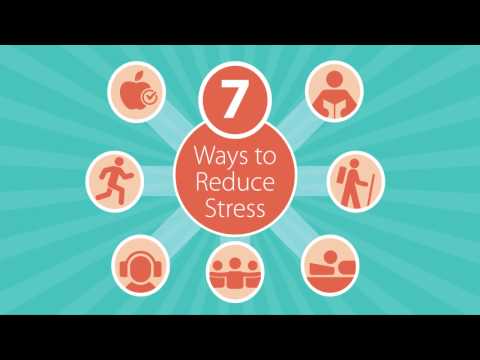
Stress is one of those things we all deal with, right? Whether it’s a looming deadline, family responsibilities, or just the chaos of everyday life, it can really pile on. But don’t worry! There are effective strategies you can use to manage and overcome that daily stress while keeping your sanity intact.
Recognize Your Stress Triggers
First things first: understanding what stresses you out is key. Maybe it’s long commutes or annoying coworkers. Once you identify these triggers, you’ll know what to tackle first. It’s kind of like when you’re playing a video game and you keep getting defeated by the same enemy. You gotta figure out their weaknesses before you can beat them!
Practice Mindfulness
Mindfulness is another powerful tool. This doesn’t mean you have to sit cross-legged on a mountain chanting mantras—though if that’s your thing, more power to ya! Just take a few moments each day to be present. Focus on your breathing or watch the clouds pass by. Seriously, even five minutes can make a difference.
Break Tasks into Smaller Steps
Feeling overwhelmed? Try breaking tasks into smaller steps. Instead of thinking about “cleaning the entire house,” focus on “organizing one room today.” Celebrate those little victories; they add up faster than you’d think! It’s like leveling up in a game—every little win counts!
Physical Activity
Get moving! Exercise is one of those natural stress relievers that works wonders for many people. You don’t have to hit the gym for hours every day; even short bursts of movement help! Go for a walk around the block, dance around your living room, or do some push-ups during your lunch break.
Stay Connected
And hey, don’t forget about social support! Talk with friends or family when you’re feeling stressed; sometimes just venting can lighten the load. It’s similar to teaming up in multiplayer games—sharing the burden makes everything feel more manageable!
Limit Screen Time
You might not realize it but too much screen time can add to your stress levels too. Try setting boundaries for yourself around phone and computer use. Think about it: do you always feel great after scrolling through social media? Probably not!
Create Daily Routines
Establishing routines can also help reduce decision fatigue and bring some structure into your chaotic days. When you have a rhythm—like morning coffee followed by shower—you’re less likely to feel overwhelmed by choices.
Practice Gratitude
And lastly—don’t underestimate gratitude! Keeping a gratitude journal where you jot down things you’re thankful for can shift your mindset from stressy to grateful in no time flat.
Stress management isn’t one-size-fits-all, so try mixing and matching these strategies until something clicks for you! Just remember: if stress becomes too overwhelming or persistent, talking with a mental health professional may be necessary; they’ve got tools that could provide more personalized support.
All said and done, managing daily stress is all about finding what works best for you and sticking with it. So why not give some of these ideas a shot and see how they make you feel?
Understanding the 5 C’s of Stress: Key Concepts for Effective Management
Stress, right? It can feel super overwhelming sometimes. But here’s the deal: there are five key concepts, the 5 C’s of stress, that can really help you manage it better. I mean, knowing these could change how you handle those tough days. Let’s break it down.
1. Context: This is all about understanding where your stress comes from. Picture a video game where every level has unique challenges. Some levels might stress you out more than others based on your skills or resources at hand. Recognizing the context helps you see why you’re feeling a certain way. Maybe it’s work deadlines or family obligations—whatever it is, just naming it can take away some of its power.
2. Cognition: Your thoughts play a huge role in how stressed you feel. If you’re constantly thinking, «I can’t handle this,» well, guess what? You’re going to feel stressed! But if you flip that script and say, “I’ve got this,” it can really change your mindset. Think of it like playing a strategy game; you have to keep adjusting your tactics to win! Your perspective counts, so try to challenge those negative thoughts.
3. Control: Feeling in charge can help minimize stress big time. Sometimes life throws all kinds of curveballs at us—like surprise challenges in a board game—but looking for things within your control makes a difference. You may not control everything at work or home, but maybe you can control how late you stay up gaming or whether you plan out your meals for the week. Focussing on what you *can* influence often reduces that gnawing feeling of being overwhelmed.
4. Communication: Sharing what’s on your mind really helps lighten the load! Just like in multiplayer games where teamwork matters, talking about your stress with friends or family makes everything more manageable. Don’t bottle things up; reach out and chat with someone who gets it! You might even find that they’re going through something similar—and suddenly you’re not alone!
5. Coping Strategies: Finally, let’s talk tactics—how to deal with stress effectively when it hits hard! Everyone has different ways to cope: some people meditate like pros, while others might take long walks or dive into their favorite book series after work to unwind (you know what I mean?). Finding what works best for *you* is crucial because having those tools ready means you’ll be better prepared when life decides to throw some extra stress at you.
So there ya go! The 5 C’s offer a roadmap for navigating stress more efficiently:
- Context
- Cognition
- Control
- Communication
- Coping Strategies
Just remember though, if things ever get too heavy or complicated and no amount of gaming or chatting seems to help? Don’t hesitate to reach out for professional support—it’s completely okay to ask for help when needed!
Play around with these ideas and see which ones resonate with you the most! Happy managing!
Stress, man. It’s something we all deal with, right? I mean, think about that time you had a million things on your plate—work deadlines, family commitments, and let’s not forget social obligations. I remember a particularly hectic week when I was juggling all of that while trying to keep my sanity intact. It felt like my brain was constantly buzzing!
So what do you do when the pressure builds? Well, here’s where the good stuff comes in. First off, you might want to consider taking a step back and focusing on your breath. Seriously! Deep breathing can be such a game-changer. Just inhaling slowly through your nose and exhaling through your mouth for a few minutes can help settle the chaos swirling in your mind.
Another thing? Get moving! Exercise doesn’t have to mean hitting the gym for two hours. A simple walk around the block or even dancing in your living room can do wonders. Remember that time when you felt stuck in a rut? A little movement not only gives you energy but also pushes out those pesky stress hormones.
And let’s talk about connecting with people—it really makes a difference! Whether it’s grabbing coffee with friends or having those late-night talks that get super meaningful, sharing what’s on your mind helps lighten the load. Sometimes just knowing someone else gets it is such a relief.
Don’t forget about laughter either! Put on a funny show or watch silly cat videos (I mean, who doesn’t love cat videos?). Humor has this magical way of shifting our perspective and easing tension.
Lastly, give yourself some downtime. You know how we often fill every second with something to do? It’s okay to just chill—read a book or spend some quiet time with yourself. Embracing silence can be surprisingly refreshing.
In the end, managing stress is really about finding what works for you personally. We’re all different; what brings one person peace might not do anything for another. So experiment with these ideas and see what feels right! You got this!