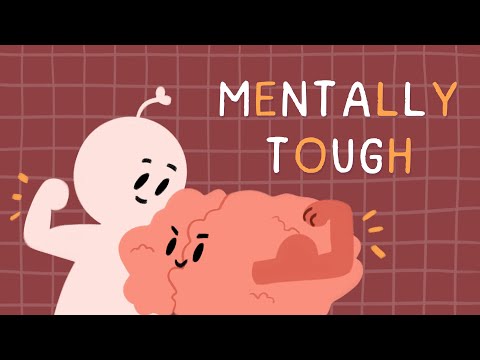
Hey, you ever hear about binaural beats? They’re kinda cool! It’s like your brain gets a little workout while you listen to music.
Este blog ofrece contenido únicamente con fines informativos, educativos y de reflexión. La información publicada no constituye consejo médico, psicológico ni psiquiátrico, y no sustituye la evaluación, el diagnóstico, el tratamiento ni la orientación individual de un profesional debidamente acreditado. Si crees que puedes estar atravesando un problema psicológico o de salud, consulta cuanto antes con un profesional certificado antes de tomar cualquier decisión importante sobre tu bienestar. No te automediques ni inicies, suspendas o modifiques medicamentos, terapias o tratamientos por tu cuenta. Aunque intentamos que la información sea útil y precisa, no garantizamos que esté completa, actualizada o que sea adecuada. El uso de este contenido es bajo tu propia responsabilidad y su lectura no crea una relación profesional, clínica ni terapéutica con el autor o con este sitio web.
So, picture this: you pop on some headphones, and instead of just jamming out, your mind starts vibing differently. Sounds trippy, right?
Well, they’re said to help with everything from relaxation to focus. I mean, who wouldn’t want that?
Let’s chat about how these funky sound waves could be your new best friend for mental wellness. Ready to explore?
Exploring the Impact of Binaural Beats on Mental Health Improvement
Hey, let’s chat about binaural beats and how they might be connected to mental health improvement. You know, this topic is really interesting! So, what are binaural beats? They’re basically an auditory illusion created when two different frequencies are played in each ear. Your brain perceives a third tone that’s the difference between those two frequencies. Sounds cool, right?
Now, let’s dig deeper into how these beats might influence your mental health.
- Relaxation: Many people use binaural beats to promote relaxation. By listening to specific frequencies, some studies suggest you can lower stress levels. Imagine coming home after a long day and just chilling out with some calming sounds!
- Focus: If you’ve ever struggled to concentrate while working or studying, binaural beats might help you focus better. Certain frequencies can enhance attention and clarity. It’s like having your own concentration soundtrack!
- Anxiety Reduction: There’s evidence that binaural beats can help reduce anxiety in some folks. Listening to soothing rhythms has been shown to decrease feelings of worry and tension.
- Sleep Improvement: Struggling with sleep? Some people find that using binaural beats makes it easier to drift off. The right frequency may help you relax and get into a deeper sleep phase.
- Mood Enhancement: Binaural beats can potentially lift your mood too! Some users report feeling more positive after listening sessions.
A good example of how this works could be like playing a puzzle game where sound helps you focus on tasks at hand. If you’re trying hard to solve it but feel stressed out, putting on some calming binaural beats while playing could make the whole experience better.
Now, there’s something important you should keep in mind: while binaural beats might offer benefits for many people, they aren’t a replacement for professional help or therapy when dealing with serious mental health issues. If you’re facing challenges like depression or anxiety disorders, it’s always wise to speak with a healthcare provider.
Some folks swear by their effectiveness; others are more skeptical. That’s just how it goes when dealing with something as complex as mental health! Whatever works for you is crucial.
So, if you’re curious about trying out binaural beats for yourself? Just take care of your overall well-being first—the right mindset really does matter!
Healing Frequencies for Shingles: Understanding Their Impact on Recovery and Well-Being
When dealing with shingles, many folks are looking for methods to ease the pain and speed up recovery. One area that’s grabbing attention is the use of healing frequencies. You may have heard of these or even come across something like binaural beats. They’re believed to help not just with physical discomfort but also improve mental wellness.
So, what’s a healing frequency? Basically, it’s a specific sound wave frequency that can potentially promote relaxation and healing in your body. When you listen to binaural beats—two slightly different frequencies played in each ear—you might find that it helps you feel calmer or more focused. Some people swear by it for reducing anxiety and enhancing their overall mood.
Now let’s get into how these frequencies might help with shingles:
- Pain Relief: Some studies suggest that sounds can influence our perception of pain. Listening to calming frequencies could distract you from the discomfort caused by shingles.
- Stress Reduction: Stress can be a big deal when you’re recovering from an illness. Binaural beats might help lower stress levels, making your healing process easier.
- Improved Sleep: Shingles can mess with your sleep because of pain or anxiety. Healing frequencies could help lull you into a more restful state.
- Mood Enhancement: Feeling down while dealing with shingles is totally normal! Healing sounds might lift your spirits, providing some emotional relief.
Take, for instance, my buddy Mia who had shingles last year. She was really struggling with the pain and stress it brought along. After hearing about binaural beats, she decided to give them a shot during her recovery process. It was interesting to see how she felt more relaxed after listening to them regularly! It didn’t make her pain disappear completely, but she definitely noticed an improvement in her overall mood.
It’s also worth mentioning here that while many find these practices beneficial, they shouldn’t replace professional medical advice or treatment. If you’re dealing with something like shingles, always consult your healthcare provider before trying new methods.
In short, healing frequencies—especially through binaural beats—can provide potential mental wellness benefits while you’re on the road to recovery from shingles. They’re not a magic solution but using sound as a part of your coping strategy may offer some comfort and support during this challenging time!
Daily Binaural Beats: Effects on Brain Function and Mood
If you’ve been scrolling around the internet, you might have stumbled across the term binaural beats. You know, those audio tracks where each ear hears a different frequency, creating a sort of magical sound experience. People rave about them for boosting moods and enhancing concentration, but what’s really going on in your brain when you listen to these beats? Let’s break it down.
When you listen to binaural beats, what happens is that your brain processes these two slightly different frequencies in each ear. It creates a third sound—a sort of beat—this is called a binaural beat frequency. Your brain tries to sync up with this frequency, which can affect your state of mind in various ways.
This can encourage **brainwave entrainment**, where your brain waves align with the rhythm of the beats. Different frequencies correspond to different mental states:
- Delta waves (0.5-4 Hz): These are linked to deep sleep and healing.
- Theta waves (4-8 Hz): Often associated with deep relaxation, creativity, and meditation.
- Alpha waves (8-12 Hz): Good for calm focus and alertness.
- Beta waves (12-30 Hz): Related to active thinking and problem-solving.
It’s kind of like when you’re playing a video game, and you reach a boss level. You might experience heightened focus and adrenaline as your brain shifts gears—this is similar but more about mental states than gaming levels.
Now let’s talk about mood. Studies suggest listening to binaural beats may help reduce anxiety and increase feelings of happiness or calmness. Imagine if you’re feeling stressed after a long day at work; taking just ten minutes with some binaural beats could potentially make that weight feel lighter!
But here’s something important: while binaural beats can be beneficial for mood enhancement or concentration boosts, they’re not a substitute for professional help if you’re facing serious mental health issues. Sometimes talking things out or seeking guidance from a therapist is the best way to go.
In essence, using daily binaural beats might just be that little spark you need for improved mental wellness. It’s not magic; it’s more like training your brain to groove along with some peaceful sound waves! So pop in those headphones now and then—you never know how it might brighten up your day!
You know, there’s something really intriguing about the way sound affects our minds. Ever heard of binaural beats? They’re these audio tracks that promise to tune your brain to a more relaxed or focused state by mixing two slightly different frequencies. I mean, it sounds like magic, right? But in reality, there’s some science behind it, too.
So picture this: You’re feeling stressed—like the weight of the world is on your shoulders. Maybe you had a long day at work or you’ve been ruminating on that awkward thing you said to your friend last week. Well, one evening I decided to try out some binaural beats after hearing about their calming effects. I threw on my headphones, settled into my favorite chair, and pressed play. Almost instantly, it was like stepping into a warm bubble of tranquility. Yeah, it was a little strange at first hearing those weird tones in each ear, but before I knew it I was in this mellow headspace where thoughts floated away like clouds.
Now, let’s talk about how these beats work. When you listen to two different tones—let’s say one that’s 200 Hz in your left ear and another at 210 Hz in your right ear—your brain processes them together and creates a sort of third tone that only exists in your brain! This clever trick can help induce relaxation or even focus depending on the frequencies used. Crazy stuff!
Some folks swear by them for everything from easing anxiety to enhancing sleep quality or boosting creativity. And while scientific research is still catching up with the buzz around binaural beats (there’s definitely more needed), some studies show they can reduce stress levels and improve mood. Who doesn’t want that?
But here’s the thing: They’re not a magic wand for all mental health issues; they won’t fix everything overnight! It might be helpful as part of a broader strategy for mental wellness—like combining it with meditation or mindfulness practices.
In my own experience with those binaural beats that evening? I found myself feeling lighter and more centered afterward. It was refreshing! Honestly though, if you decide to give them a whirl, pay attention to how they make you feel because everyone’s experience can be super personal.
All things considered, sound can be pretty powerful—even healing—so why not explore what resonates with you? Give yourself permission to experiment a little! You might just stumble upon something beneficial for your mental wellness journey like I did with those funky beats.