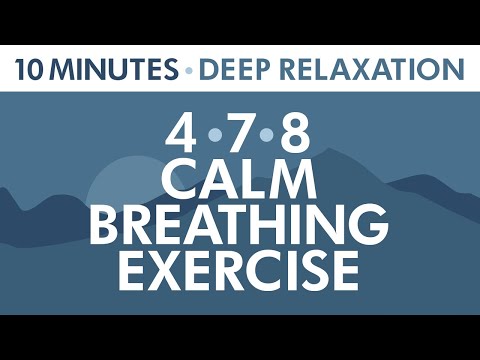
You know those days when everything feels a bit off? Your mind’s racing, and your body’s just like, “Nope!” That’s where pranayama comes in.
Este blog ofrece contenido únicamente con fines informativos, educativos y de reflexión. La información publicada no constituye consejo médico, psicológico ni psiquiátrico, y no sustituye la evaluación, el diagnóstico, el tratamiento ni la orientación individual de un profesional debidamente acreditado. Si crees que puedes estar atravesando un problema psicológico o de salud, consulta cuanto antes con un profesional certificado antes de tomar cualquier decisión importante sobre tu bienestar. No te automediques ni inicies, suspendas o modifiques medicamentos, terapias o tratamientos por tu cuenta. Aunque intentamos que la información sea útil y precisa, no garantizamos que esté completa, actualizada o que sea adecuada. El uso de este contenido es bajo tu propia responsabilidad y su lectura no crea una relación profesional, clínica ni terapéutica con el autor o con este sitio web.
Seriously, it’s like a secret weapon for relaxation and balance. Imagine taking a few minutes to breathe deeply and feel all that stress just melt away. Sounds dreamy, right?
These breathing exercises are pretty amazing. They help calm your mind and bring you back to center. Plus, they’re super easy to fit into your day—like during that awkward waiting time or even in the middle of a hectic afternoon.
Why not give it a shot? I mean, breathing is something we do anyway! So let’s explore how these simple techniques can make you feel a whole lot better.
Exploring the Benefits of Breathwork for Managing POTS Symptoms
Breathwork has been getting a lot of love lately, and for good reason! It’s a pretty cool tool for managing the tricky symptoms of Postural Orthostatic Tachycardia Syndrome (POTS). POTS is that condition where your body struggles to adjust when you stand up, leading to dizzy spells, racing heart rates, and other unwelcome guests. But guess what? Breathwork can help.
Let’s talk about **pranayama breathing exercises**, which have roots in ancient yoga traditions. These exercises focus on controlling breath to promote balance and relaxation. They can be super beneficial for POTS symptoms by helping to regulate your nervous system and blood flow.
Here are some key benefits of using pranayama breathing:
- Promotes Relaxation: Engaging in deep breathing helps calm your body. When you’re chill, your heart rate might slow down, which is a win when living with POTS.
- Improves Blood Flow: Certain techniques encourage better circulation. More blood flow can mean fewer dizzy spells when you get up!
- Enhances Focus: Deep breathing clears mental fog. If brain fog is another pesky symptom of POTS for you, this could be a game-changer.
- Reduces Stress: The calmer you feel, the less stress on your heart and body! Seriously, less stress generally means better health overall.
The funniest thing happened the other day while I was practicing these techniques. I attempted “Nadi Shodhana,” or alternate nostril breathing. At first, it felt kind of silly but focused my mind like a game! You know that intense concentration you get when trying to win? Yeah, it’s like that.
If you’re curious about how to get started with these exercises:
1. Sit comfortably.
2. Close your right nostril with your right thumb.
3. Inhale deeply through your left nostril.
4. Close the left nostril with your ring finger before releasing the right one.
5. Exhale through the right nostril.
6. Alternate between both sides for several minutes.
Easy peasy! Just find what feels comfortable for you—there’s no strict rulebook here.
And hey, while breathwork can offer awesome benefits, it isn’t meant as a substitute for medical advice or treatment from healthcare professionals. Always consult a doctor before starting anything new if you’re managing POTS.
In summary, pranayama breathing could be an excellent companion on this journey with POTS—like having an extra life in those video games we all love! Breathe easy; you’ve got this!
Pranayama Techniques for Emotional Balance: Effective Breathing Practices
So, let’s chat about Pranayama, which is basically a fancy word for breath control in yoga. Seriously, it’s more than just taking deep breaths. It’s about using your breath to help balance those emotional roller coasters we all ride at times. If you’ve ever felt stressed out or overwhelmed (and who hasn’t?), these techniques might just be the ticket to finding your center.
Understanding Pranayama
At its core, Pranayama focuses on regulating your breathing patterns. The beauty of this practice is that it can be done anywhere: at home, in the office, or even during a traffic jam! By controlling your breath, you can tap into calmness and reduce anxiety.
Here are some key techniques:
- Nadi Shodhana (Alternate Nostril Breathing): This one’s like a little game of switcheroo for your nostrils! You breathe in through one nostril and out through the other. This helps clear energy channels in your body and encourages a sense of harmony.
- Kapalabhati (Skull Shining Breath): Picture this as an energetic sneeze for your brain! You take a deep breath in and then forcefully exhale while pulling your stomach in. It’s invigorating and can really help shake off those fuzzy feelings.
- Bhramari (Bee Breath): Ever tried humming like a bee? Trust me; it feels silly but good! Close your eyes, take a deep breath in, then hum on the exhale. The vibrations calm the mind and are super soothing.
- Ujjayi (Victorious Breath): This one creates an ocean-like sound when you breathe out slowly with a slightly constricted throat. It sounds dramatic but helps focus the mind while also calming the nervous system.
Now let’s break it down even more. Each technique has its own vibe and effect on emotions. For example, when I first tried Nadi Shodhana during a stressful week at work, I felt like I was able to gather my thoughts instead of spiraling into that “what-now” panic mode. Seriously refreshing!
The Science Behind It
So what’s happening inside when you do these exercises? Well, breathing deeply activates the parasympathetic nervous system—this is what kicks off relaxation responses in our bodies! You know how when you’re super anxious or panicking, everything feels tight? Those breaths work wonders to loosen things up.
In fact, studies suggest that controlled breathing can lower cortisol levels—the stress hormone—and increase feelings of well-being! It’s like pressing reset on those nagging thoughts!
No Substitute for Professional Help!
Just a quick note here—while Pranayama can be incredibly effective for managing emotions and achieving balance, it doesn’t replace professional mental health treatment if you’re dealing with serious issues. Think of this as an awesome tool to have in your emotional toolbox.
To wrap it up:
Taking time each day to engage with these breathing techniques can seriously boost emotional well-being. Plus they don’t take much time at all; just set aside five or ten minutes daily to practice! Before long, who knows? You might discover you’re navigating life’s ups and downs with way more ease.
So give them a shot—you got this! Just remember: breathe deeply and often; you’ll find some peace amid life’s chaos.
Best Pranayama Techniques for Managing COPD Symptoms and Improving Lung Function
So, let’s talk about pranayama, the ancient practice of breath control rooted in yoga. It’s not just about relaxation; it can be a game changer for people dealing with chronic obstructive pulmonary disease (COPD). You know how managing breath can sometimes feel like a juggling act? Well, pranayama can help with that.
Now, when it comes to COPD symptoms, you might find that shortness of breath and wheezing are pretty common. This is where pranayama comes in handy. These breathing exercises aim to improve lung function and can make a noticeable difference in your everyday life.
- Diaphragmatic Breathing: This one’s all about using your diaphragm effectively. Lie on your back or sit comfortably. Place one hand on your chest and the other on your stomach. Breathe in deeply through your nose—feel your stomach rise while keeping your chest relatively still. Then exhale slowly through pursed lips, letting your belly fall. It’s like inflating a balloon!
- Nadi Shodhana (Alternate Nostril Breathing): This technique balances energy in the body. Sit comfortably and use your thumb to close one nostril while inhaling deeply through the other. Close that nostril and exhale through the first one you blocked. Repeat this cycle for a few minutes—it’s like giving yourself a little internal reboot!
- Bhramari (Bee Breath): If you’re feeling stressed or anxious due to COPD symptoms, this one’s for you! Inhale deeply, then as you exhale, make a humming sound like a bee. It’s calming and kinda fun, too! The vibration can help clear out any tension in the chest.
Anecdote time: I once knew someone who had COPD and started using these techniques after feeling overwhelmed during exercise classes. After practicing pranayama regularly, they noticed their breathing improved significantly during workouts! Seriously—it was inspiring to see how simply focusing on breath made such an impact.
Of course, let’s keep it real: these techniques aren’t a substitute for medical treatment or advice from healthcare professionals. They work best when combined with what your doctor recommends.
All in all, implementing these pranayama techniques into daily life could provide some relief from those pesky COPD symptoms while also promoting overall well-being—and isn’t that what we all want? So go ahead and give them a try; breathing is literally something we do every day anyway!
You know those days when everything feels a bit too much? Maybe you are juggling work, family, and that endless list of chores. And it’s like you can’t catch a break. Well, I’ve been there. A while back, I was feeling super overwhelmed. My mind was racing with all kinds of thoughts while my body felt all tense and knotted up. Then, a friend suggested trying pranayama breathing exercises.
Honestly, I had no clue what she was talking about at first. Pranayama? Sounds fancy! But when she explained it as a way to control your breath and find some balance in life, I figured I’d give it a shot. So, pranayama is basically an ancient practice from yoga that focuses on breath control. The word itself breaks down into “prana,” which means life force or energy, and “yama,” which means to control or restrain.
Now picture this: you’re sitting quietly after a long day and just focusing on your breathing—inhale deeply through your nose for a count of four, then hold for four counts before exhaling through your mouth slowly for another four seconds. Easy enough, right? It’s like hitting the reset button on your brain.
When you start doing these breathing techniques regularly, something magical happens. You begin to feel this cool calm washing over you. Seriously! It’s almost like lifting weights but for your mind; the more you practice it, the stronger your emotional balance becomes.
And here’s the cool part: it doesn’t take long to see results! Just a few minutes each day can totally change how you feel stressed or anxious about things going on in your life. Plus, there’s this deep sense of relaxation that settles in—that feeling where time seems to slow down just enough for you to catch your breath (literally!).
I remember one night after practicing pranayama for just a week or so; I found myself lying in bed with my thoughts swirling around like crazy (you know how it gets sometimes). Instead of allowing the chaos to eat away at me like usual though, I took some deep breaths and focused on exhaling those anxious vibes out of my system. Before I knew it, I was drifting off into dreamland instead of tossing and turning!
So if you ever feel overwhelmed by the hustle and bustle of life or just need some peace amidst all the noise—consider giving pranayama breathing exercises a try! They’re simple but pack quite the punch when it comes to finding balance and relaxation in our hectic lives.
In the end, it’s about creating moments in our busy lives where we can step back and breathe deeply—mindfully reconnecting with ourselves amid all the chaos we deal with daily. You might just surprise yourself with how much clarity—and serenity—you can find within those precious moments of breath.