You know how sometimes you just click with someone? Or you totally don’t? That’s personality, my friend.
Este blog ofrece contenido únicamente con fines informativos, educativos y de reflexión. La información publicada no constituye consejo médico, psicológico ni psiquiátrico, y no sustituye la evaluación, el diagnóstico, el tratamiento ni la orientación individual de un profesional debidamente acreditado. Si crees que puedes estar atravesando un problema psicológico o de salud, consulta cuanto antes con un profesional certificado antes de tomar cualquier decisión importante sobre tu bienestar. No te automediques ni inicies, suspendas o modifiques medicamentos, terapias o tratamientos por tu cuenta. Aunque intentamos que la información sea útil y precisa, no garantizamos que esté completa, actualizada o que sea adecuada. El uso de este contenido es bajo tu propia responsabilidad y su lectura no crea una relación profesional, clínica ni terapéutica con el autor o con este sitio web.
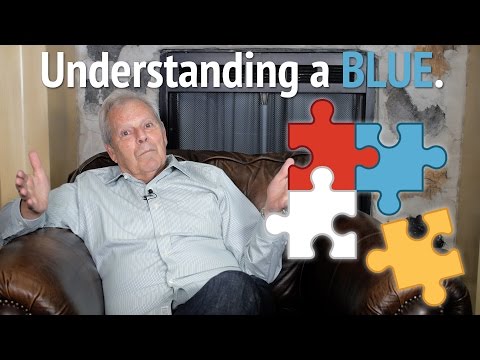
Ever heard of the Keirsey Temperament? It’s a cool way to figure out why people act the way they do.
Imagine if we all had these unique color codes, helping us understand each other better. Sounds neat, right?
We’re talking about four main types here. Each one comes with its quirks and traits.
So let’s explore how these personality styles work! Trust me, it’s more fun than you think.
Downloadable Keirsey Temperament Sorter Test PDF: Understanding Your Personality Type
The Keirsey Temperament Sorter is a fascinating tool for understanding personality types. This test divides people into four major temperaments: **Artisans**, **Guardians**, **Idealists**, and **Rationals**. Each of these categories reflects different behavior patterns, motivations, and interaction styles.
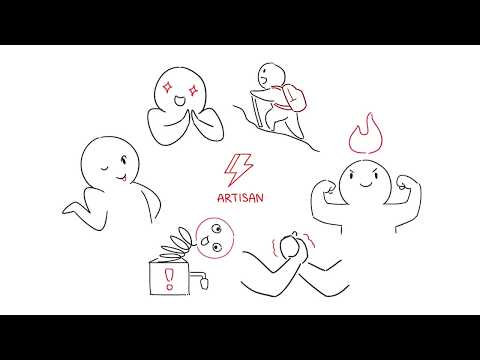
- Artisans are often spontaneous and creative, known for their love of adventure. Think of them as the free spirits who just want to live in the moment, like characters from a thrilling video game who jump at every opportunity.
- Guardians are dependable and responsible. They thrive on stability and structure, much like a strategic planner in a strategy game who maps out every move carefully.
- Idealists value harmony and personal growth. They’re often seen as dreamers or visionaries – the ones who keep the team grounded while aiming high.
- Rationals focus on competence and knowledge; they love problem-solving and innovation like the clever inventor character in a sci-fi game.
Now, you might be wondering how you find out which temperament fits you best. This is where the Keirsey Temperament Sorter comes into play. It’s a questionnaire designed to identify your dominant traits based on your responses to various scenarios.
But let’s keep it real – it’s just one of many assessments out there! It won’t solve all your problems or provide deep psychological insights (that’s what professionals are for). Still, knowing your temperament can help you understand yourself better—it may even improve your relationships with friends or colleagues!
When I first took this test years ago, I was shocked by how accurately it portrayed my personality! I discovered that I’m an Idealist—always craving connection but sometimes getting lost in my thoughts. It made me realize why I felt drained after some social events but energized after deep conversations with friends.
So if you’re curious about your temperament, check out that downloadable PDF version of the test! Just remember: while these tests are fun and eye-opening, they’re not replacements for deep psychological work or therapy.
In the end, understanding where you fit in among these temperaments can be enlightening. It offers insights into why you react to situations the way you do—like when a friend calls you impulsively to join them at that last-minute concert while you’re already snug on your couch binge-watching Netflix. You might just be an Artisan at heart!
Take some time to reflect on this info as well as how it connects to your life experiences—it could be worth it!
Understanding Keirsey Personality Types: A Comprehensive Guide to Personality Frameworks
So, let’s talk about Keirsey Personality Types. Have you ever taken a quiz to find out if you’re more of an introvert or extrovert? Keirsey’s framework digs deeper, classifying personalities into four main temperaments. These are basically broad categories that help us understand how people think, feel, and interact with each other.
The first thing to know is that Keirsey built his model on the foundation of the Myers-Briggs Type Indicator (MBTI). He simplified it into four temperament groups: Artisans, Guardians, Idealists, and Rationals. Each of these has distinct traits and behaviors. Let’s break it down a bit more.
- Artisans: These folks are hands-on and spontaneous. Think of them as your classic artisans in games, like the rogue who sneaks around and surprises enemies! They thrive in the moment and love adventure.
- Guardians: Guardians value structure and responsibility. Picture a knight in armor or that friend who always keeps spreadsheets for group tasks. They keep everyone organized and ensure things run smoothly.
- Idealists: Idealists are all about relationships and personal growth. Imagine someone in an RPG dedicated to helping others level up their skills—always there to support teammates. They aim for harmony and meaning in connections.
- Rationals: These individuals are logic-driven and strategic thinkers. Think of a wizard calculating every move before casting a spell or a commander meticulously planning out battle tactics in strategy games. Rationals love solving complex problems.
The beauty of these types is how they provide insight into how we relate with one another—both positively and negatively! For instance, an Artisan might clash with a Guardian because the former craves freedom while the latter seeks order. It’s like two players on a team having different play styles; one wants to rush in while the other prefers waiting for backup!
You know what’s cool? Each temperament comes with unique strengths but also challenges. Artisans can be fun-loving but might struggle with commitments; Guardians are dependable but can be overly rigid; Idealists bring warmth but may become too idealistic; Rationals offer great ideas but can sometimes seem aloof or detached.
If you’re thinking about your personality type or how to get along with others, remember this isn’t some one-size-fits-all rulebook. People can exhibit traits from multiple types depending on context, so don’t sweat it if you find parts of yourself in several categories!
This framework isn’t designed to box anyone in—rather, it encourages self-reflection and better understanding among people. It’s sort of like leveling up your social skills!
If you’re curious about exploring this further, consider discussing it with friends or on online forums where others share their experiences with different personality types. Just remember though: understanding these frameworks doesn’t take the place of professional guidance if you’re feeling lost or struggling emotionally.
I hope this gives you a clearer picture of Keirsey Personality Types! It’s pretty neat how knowing these can enhance your relationships, right? Just keep being curious about yourself and those around you!
Understanding the Keirsey Temperament Test: A Comprehensive Guide to Personality Types
The Keirsey Temperament Test is a popular tool for understanding personality types. It was developed by Dr. David Keirsey, and it’s based on the idea that our personality influences how we perceive the world and interact with others. The test categorizes people into four main temperaments: Artisan, Guardian, Idealist, and Rational.
Artisans are spontaneous and love to live in the moment. They’re often seen as free spirits who need adventure to thrive. Think of characters in video games like adventurers or rogues who act first and think later.
Guardians, on the other hand, are responsible and like to maintain order. They tend to be dependable folks who value traditions, rules, and structure. Imagine a character from a strategy game who meticulously builds their kingdom—always thinking about ways to protect it.
Then you’ve got Idealists. These folks are all about personal growth and understanding emotions deeply. They’re often empathetic, making them great friends or counselors. Picture a healer in your favorite RPG who cares deeply for their team’s well-being.
Lastly, there are Rationals. They’re logical thinkers who love problem-solving and getting things done efficiently. You know that one character in strategy games who always has the best plans? That’s your Rational!
Each of these temperaments can be further divided into unique personality styles, giving you even more insight into individual differences. For example:
- Artisans: Composers, Performers
- Guardians: Inspectors, Providers
- Idealists: Teachers, Advocates
- Rationals: Architects, Engineers
The beauty of the Keirsey Temperament Test is how it helps people understand each other better. It sheds light on why some people might react differently in situations or prefer certain activities over others.
Imagine you’re working on a group project with friends: if you’re paired with an Artisan who loves flexibility but you’re a Guardian wanting structure—you might clash! Understanding these temperaments can help smooth out those bumps.
But remember: while this test sheds light on personality traits, it’s not a professional psychological evaluation. If you’re struggling with deeper emotional issues or mental health challenges, reaching out to a qualified expert is key.
So next time you’re puzzling over how someone reacts or what makes them tick—consider their temperament! It’s like having a cheat sheet for relationships without any fancy codes or complicated terms involved!
So, let’s talk about the Keirsey Temperament Theory and how it breaks down personality types. You know, we all have our quirks and habits that make us who we are. And sometimes, understanding those little differences can really help us connect with one another.
Keirsey described four main temperaments: Artisan, Guardian, Idealist, and Rational. Each one has its own unique flavor. Artisans tend to be spontaneous and creative—think of them as the go-getters with a knack for thinking outside the box. Guardians are all about structure and responsibility; they keep things running smoothly in their own dependable way. Then you have Idealists; these folks are often empathetic dreamers focused on growth and relationships. Finally, there are Rationals—logical thinkers who love solving problems like it’s their favorite puzzle game.
Years ago, a friend of mine was totally struggling with his career path. He often felt like he didn’t fit anywhere and was frustrated beyond belief. After diving into the Keirsey Temperament stuff together, we discovered he was an Artisan! It was like a light bulb went off—you could see his whole demeanor shift once he realized that it wasn’t about fitting into a mold but embracing his unique strengths. Seriously, connecting those dots helped him find the courage to pursue a job that aligned with his true self.
One cool thing is how this theory can shed light on our interactions too! Think about those moments when you clash with someone or just don’t seem to get each other. It could very well be rooted in your different temperaments! You might be more of an idealist trying to inspire change while someone else is grounded in practicality as a Guardian. Recognizing these differences helps you navigate conversations better.
In relationships—be it friendships or romantic ones—the Keirsey Temperament Theory opens up new avenues for understanding each other’s emotional landscapes too. If you feel like your partner doesn’t “get” your needs sometimes, maybe they just approach life from a different perspective altogether!
In the end, this isn’t about boxing people into categories but rather celebrating individuality while also finding common ground amongst our differences. Knowing what makes us tick helps us relate better and creates more meaningful connections in our day-to-day lives—so why not embrace it?