You know, we all have that little voice in our heads. The one that tells us what’s right and wrong? Yeah, that’s kinda what Freud was talking about when he came up with the superego.
Este blog ofrece contenido únicamente con fines informativos, educativos y de reflexión. La información publicada no constituye consejo médico, psicológico ni psiquiátrico, y no sustituye la evaluación, el diagnóstico, el tratamiento ni la orientación individual de un profesional debidamente acreditado. Si crees que puedes estar atravesando un problema psicológico o de salud, consulta cuanto antes con un profesional certificado antes de tomar cualquier decisión importante sobre tu bienestar. No te automediques ni inicies, suspendas o modifiques medicamentos, terapias o tratamientos por tu cuenta. Aunque intentamos que la información sea útil y precisa, no garantizamos que esté completa, actualizada o que sea adecuada. El uso de este contenido es bajo tu propia responsabilidad y su lectura no crea una relación profesional, clínica ni terapéutica con el autor o con este sitio web.
It’s like your inner moral compass, nudging you away from bad choices. Ever felt a guilty twinge after doing something you knew wasn’t cool? That’s your superego at work.
Freud thought it was a big deal in shaping who we are. It doesn’t just pop up randomly; it grows from your childhood experiences. Wild, huh?
So, let’s chat about how this moral part of our personality influences everything from everyday decisions to our deepest regrets. Get comfy; this is gonna be a ride!
Understanding the Superego in Freud’s Personality Theory: Definition and Role
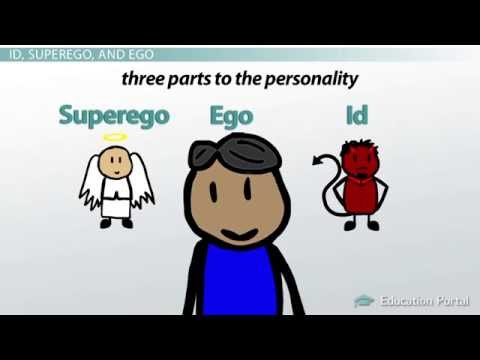
When diving into Freud’s personality theory, you can’t skip the superego. Think of it as the moral compass guiding your decisions and reactions. According to Freud, the mind is split into three parts: the id, ego, and superego. The superego develops as you grow up, molding your sense of right and wrong based on societal standards and parental influences.
Now, what does this mean for you? The superego acts like a little voice in your head that constantly evaluates your actions. It’s the part that feels guilty when you break rules or hurt someone’s feelings. So when you’re at a party and tempted to sneak a drink before you’re 21, guess who’s there nudging you to reconsider? Yup, that’s your superego kicking in!
- Moral Judgment: The superego helps you judge whether an action is ‘good’ or ‘bad’. It reflects society’s values.
- Guilt Induction: This component often leads to feelings of guilt after making choices that clash with your moral code.
- Parental Influence: Ever heard something like “What would your mother think?” That’s often the superego echoing parental expectations.
A quick anecdote: I once had a friend who struggled with cheating on tests in school. Every time he considered it, his superego would scream at him about honesty and integrity—values his parents instilled in him since childhood. He felt so guilty just thinking about it! In his case, that internal struggle played out daily until he realized he’d rather study hard than compromise his morals.
The superego is also broken down into two parts: the conscience and the ego ideal. The conscience deals with punishment for wrongdoings—the guilt we talked about earlier—while the ego ideal reflects our aspirations for how we want to behave based on those morals we’ve learned.
- The Conscience: This part says “no” when you’re tempted by bad choices—like cheating or lying.
- The Ego Ideal: This part pushes you towards being your best self—a person who embodies all those good values your parents taught you!
The balance between these three components—the id (wants), ego (reality), and super ego (morality)—is crucial for healthy psychological functioning. If one becomes too dominant, well, things can get messy! Too much influence from the id might make someone impulsive; too much from the superego could lead to excessive guilt or anxiety over making mistakes.
If you’re ever feeling overwhelmed with excessive guilt or have questions about how these dynamics play out in everyday life, remember that talking to a mental health professional can help clarify things further. You don’t have to navigate this alone!
Freud’s Concept of the Superego: An Overview of His Theories and Insights
So, Sigmund Freud, the father of psychoanalysis, had this really interesting idea about our personalities. He broke it down into three parts: the id, ego, and superego. Each part has its own role. The superego is basically your moral compass.
The superego develops around the age of five, drawing from parents and society’s rules. It’s that voice in your head that tells you what’s «right» and «wrong.» Kind of like when you’re playing a video game and there’s that annoying little character reminding you not to cheat or break the rules.
- Moral Standards: The superego sets up values based on cultural norms and parental guidance. Imagine you’re playing soccer; your coach teaches you fair play. That’s similar to how the superego functions.
- Guilt and Anxiety: When you stray from these moral standards—like when you sneak a peak at cheat codes—you might feel guilty. That guilt is your superego kicking in.
- Two Parts: Freud saw the superego as having two key components: the conscience (which punishes us for wrongdoing) and the ideal self (which pushes us toward our highest potential).
This dynamic can get complex, especially when it clashes with your id—the part of us that just wants pleasure. Picture a child who wants ice cream for dinner because it sounds fun! The superego would be like, «Whoa there! That’s not good for you.» It creates this constant tug-of-war in our minds.
An example? Think about how sometimes you want to binge-watch your favorite show all night (hello id!), but then your superego chimes in telling you to get some sleep for work tomorrow.
Now, while it’s easy to say that a strong superego leads to good moral behavior, too much can make someone excessively harsh on themselves. They could end up feeling guilty even over minor mistakes—like missing a deadline or forgetting a friend’s birthday. That’s not cool!
Freud also suggested that if someone has an underdeveloped superego, they might struggle with social norms or consider rules as optional; think of them as the rebels in video games who don’t follow quests—doing whatever they want without considering consequences.
In essence, while Freud’s concept gives us insights into human behavior and morality, remember that energy in life isn’t all about following rules perfectly! Everyone wrestles with their inner conflicts from time to time; it’s normal.
If any of this resonates with what you’re feeling or experiencing—like battling guilt or figuring out boundaries—it might be worth chatting with someone who can help guide those feelings constructively. Just remember: understanding yourself is a journey! And hey, we could all use a little help sometimes.
Understanding the Id, Ego, and Superego: Key Concepts in Freudian Psychology
Sure! Let’s break down Freud’s ideas about the id, ego, and superego in a pretty simple way. These concepts are kind of like different parts of your personality fighting for control.
The Id is the wild child inside you. It wants what it wants, right now! Imagine a toddler who sees candy and just has to grab it. That’s the id—impulsive and driven by basic needs like hunger or pleasure. It doesn’t care about rules, morals, or anyone else’s feelings; it just wants instant gratification.
Now let’s talk about the Ego. Think of this as the adult in the room. It tries to balance what the id wants with reality—the real world rules and consequences. So when that toddler sees candy, the ego steps in to say, “Hey, you can’t just grab that. We need to wait until we’re at home.” It works on logic and tries to mediate between desires and what society deems acceptable.
Then we have the Superego, which is like your inner parent or moral compass. This part is all about rules, ethics, and what you “should” do based on societal values and norms. If your id wants that piece of candy but your superego says eating too much sugar is bad for you, there’s a conflict! The superego often uses guilt to keep you in line—like when you skip dessert because you’re trying to be healthy.
To put it all together:
- Id: The impulsive side craving immediate satisfaction.
- Ego: The rational part balancing desires with reality.
- Superego: The moral component guiding us towards what is right.
You might relate this to a game where different character traits influence decision-making—like choosing between selfish choices or doing what’s best for everyone else.
So picture this: you’re playing a strategy game where every move counts. Your character’s id might urge you to rush forward without planning (that risk-taker!), while your ego helps evaluate if going solo could lead to danger or victory based on resources available (smart thinking!). Meanwhile, your superego reminds you that teamwork could save others from losing their lives in battle (you know the classic hero moments).
It’s important to note that these parts don’t always play nicely together—they often clash! Just like how sometimes we feel guilty for wanting something bad for us or feel torn about making tough decisions.
And remember: Freud’s theories are pretty influential but controversial too. They don’t replace professional help; they’re just one way of thinking about how our minds work together—or against each other sometimes! All in all, being aware of these components can help us understand ourselves better as we navigate life’s complicated choices.
You know, when you’re out with friends and someone brings up that guilty feeling you get after eating that extra slice of cake, it’s kind of the superego talking. Seriously! Freud’s idea of the superego is all about that inner voice telling you what’s right and wrong, shaping our morals and values. It’s like the little angel on your shoulder saying, “Hey, maybe consider your health now!”
I remember this one time when I was having a rough week. I’d tried to stick to my diet—eating salads for lunch and not touching any of those tasty snacks during movie night. But then my friend offered me a slice of homemade pizza. Oh man, it was tough! My superego kicked in hard, reminding me about my goals: “Do you really want to ruin your progress?” But then I thought about how food is also a way to bond with people I care about.
So there I am—pizza in one hand, guilt creeping in with every cheesy bite. That tension between indulging and feeling responsible can be overwhelming! It’s this constant tug-of-war between what we want (like a gooey slice of pizza) and what we believe we should do (sticking to that diet). That push and pull? Totally classic superego behavior.
Freud saw the superego as a product of our upbringing—those lessons we’ve learned from parents, teachers, society—all molding this moral compass inside us. It’s not just a bunch of rules; it’s shaped by our experiences too. Like that moment when you feel bad for not calling back a friend who needs support—that’s your superego making itself known.
Now, sure, the superego can sometimes be overly critical or harsh. You might catch yourself thinking you’re never good enough or always messing up because it’s setting these impossibly high standards for yourself. That can lead to anxiety or guilt pretty quickly!
In the end though? Understanding that inner voice can really help us navigate life’s little dilemmas. It’s all about finding balance—acknowledging those morals while still enjoying life (and maybe even pizza!). So next time you’re faced with a decision that’s got your gut in knots: take a moment! Listen to that inner moral guide but don’t forget to give yourself permission to indulge sometimes too—it doesn’t have to be all or nothing!