So, let’s chat about this thing called the superego. Ever heard of it? It’s one of those fancy terms from psychology that can sound a bit daunting at first—like, who even came up with that name?
Este blog ofrece contenido únicamente con fines informativos, educativos y de reflexión. La información publicada no constituye consejo médico, psicológico ni psiquiátrico, y no sustituye la evaluación, el diagnóstico, el tratamiento ni la orientación individual de un profesional debidamente acreditado. Si crees que puedes estar atravesando un problema psicológico o de salud, consulta cuanto antes con un profesional certificado antes de tomar cualquier decisión importante sobre tu bienestar. No te automediques ni inicies, suspendas o modifiques medicamentos, terapias o tratamientos por tu cuenta. Aunque intentamos que la información sea útil y precisa, no garantizamos que esté completa, actualizada o que sea adecuada. El uso de este contenido es bajo tu propia responsabilidad y su lectura no crea una relación profesional, clínica ni terapéutica con el autor o con este sitio web.
But here’s the deal: it’s super interesting once you get into it. Picture a little voice in your head that tells you what’s right and wrong. You know, like your conscience or that nagging feeling when you skip out on something important.
I remember this time I totally blew off a friend’s birthday party to binge-watch my favorite show instead. Ugh, the guilt! That little voice was like, “C’mon, you’re better than this!” Spoiler alert: I felt awful afterward.
Anyway, the superego is all about those moral standards and rules we carry around inside us. Let’s unpack it together!
Understanding the Id, Ego, and Superego: A Clear Explanation of Freud’s Model of Personality
The whole idea of the Id, Ego, and Superego can feel a bit like a wild ride into the human psyche. Let’s break it down in a way that makes it super clear.
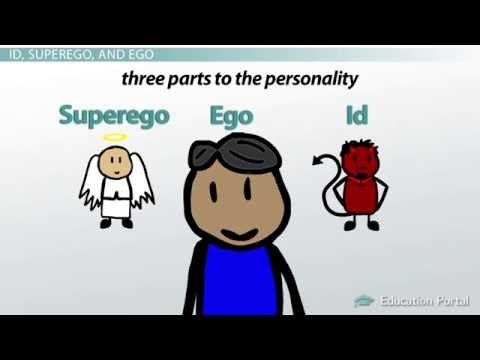
Imagine your mind as this crazy board meeting, right? In one corner, we have the Id. This little guy is all about instant gratification. It wants what it wants, and it wants it now! Think of that craving for pizza at midnight when you know you really shouldn’t order anything. The Id is that voice saying, “Just do it!” So, basically, it’s like the toddler of your brain—totally impulsive and not really thinking about consequences.
Now over here is the Ego, which is more level-headed. It’s like your best friend who’s always reminding you about those responsibilities, like paying your bills. The Ego helps mediate between what the Id desires and what reality allows. Like if you’re out with friends and everyone’s ordering dessert but you just started a new diet, your Ego kicks in to find a balance. It says something like, “Maybe just one bite will be fine?” This part of your personality helps you make sensible decisions.
Finally, we have the Superego. This one’s like the strict parent in your head. It’s all about morals, values, and what society thinks is right or wrong. So if you’re playing a video game where cheating could get you ahead but make things less fun overall? That nagging feeling telling you not to cheat is thanks to your Superego! It’s where those feelings of guilt come from too.
- The Id: Impulse-driven; seeks immediate pleasure.
- The Ego: Reality-based mediator; aims for balance.
- The Superego: Morality guardian; cultivates values.
Your Superego learns from parents and culture—basically everything around you growing up. It can sometimes be overly critical too though! If you’re feeling guilty for not volunteering enough or for indulging in some junk food even though you tell yourself to eat healthy? That’s likely your Superego having a little chat with you!
What’s interesting (and kind of funny) is these three parts aren’t always on the same page. Picture this: You’re binge-watching a series while knowing full well there’s laundry to do (thanks to pesky adulthood). The Id is like “One more episode!” The Ego might negotiate “Okay but just two more!” Meanwhile, the Superego chimes in with guilt: “You should really go fold those clothes.” Talk about an internal tug-of-war!
This model can help us understand why we act certain ways or feel specific emotions about choices we make every day—like when facing something as trivial as dessert or as significant as career decisions.
You know what? None of this replaces talking with someone who knows their stuff professionally if you’re struggling with any mind-related issues or feelings. But understanding these elements can certainly give us insight into our everyday decisions! So next time you’re at odds with yourself over something small—or big—you might just be witnessing a little showdown between Id, Ego, and Superego going on inside!
Comparing the Strengths of the Id, Ego, and Superego in Psychoanalytic Theory
So, you’re curious about the id, ego, and superego, huh? Well, let’s break it down! These three elements are like the three musketeers of our mind in psychoanalytic theory. They each play their own part and can kind of get chummy or clash with each other sometimes.
The Id is all about those primal instincts. Think of it as a toddler throwing a tantrum because it wants a cookie right now! It’s impulsive and doesn’t care about rules or consequences; it just wants satisfaction. So, if you’re on a diet and that chocolate cake calls your name, the id is that little voice saying, “Go for it! You deserve it!”
Then there’s The Ego. This is like your inner adult trying to mediate between the wild child (the id) and the ever-watchful parent (the superego). The ego’s job is to keep things balanced and realistic. It helps you figure out how to get what you want without going completely off the rails. Imagine you see that cake; instead of diving in headfirst, your ego might say, “How about just one slice?” It’s practical and rational.
Now we come to The Superego, which acts like your moral compass or conscience. It’s all those rules and values you’ve learned from parents, culture, and society mixed together. Let’s say you’re at a party where everyone else is drinking but you know alcohol isn’t your thing; your superego creates guilt for even thinking about joining in because it reminds you of your personal values. Basically, it’s there to whip out that judgment card when needed!
Here are some key points about these three components:
- Id: Impulsive; seeks instant gratification.
- Ego: Mediates desires; works with reality.
- Superego: Moralistic; enforces rules.
And here’s where they all interact in our daily lives: Imagine playing a video game where you’re faced with choices that test your morals—like whether to steal from someone who has more than enough or help someone who really needs it. Your id might yell «Score!», wanting immediate rewards. But then your ego steps in assessing the situation realistically: «If I steal this item now, will I lose points later?» Finally, your superego would likely remind you of fairness—»Hey! That isn’t right! Help them instead!»
This little drama shapes our decisions all the time. And remember: while understanding these parts can help us be more self-aware and maybe even improve our lives a bit, it’s not a substitute for professional help if you’re struggling with serious issues.
So there ya go! The next time you’re torn between what to do—or if you’re just feeling like chaos reigns in your mind—it might be worth thinking about which part of yourself is taking control at that moment!
Exploring the Superego: Key Concepts and Functions in Psychology
Alright, so let’s chat about the superego. You’ve probably heard about it in some psychology class, and it’s a pretty interesting piece of our mental puzzle. Basically, the superego is one of the three parts of our personality—think of it as the moral compass that helps you decide what’s right and wrong.
The superego develops as we grow up, shaped by what we learn from our parents and society. It’s like that voice in your head telling you to do the right thing. For instance, when you’re debating whether to share your snacks with a friend, that little voice nudging you to be generous? Yep, that’s your superego talking!
Here are some key points about the superego:
- Morality and Ethics: The superego embodies moral standards learned from parents and culture. It sets ideals for us to strive for.
- Guilt Trip: When we don’t live up to those standards? The superego can make us feel guilty or ashamed—like when you ignore a friend’s call and feel bad later.
- Judgment: It judges our actions based on internalized rules. If you’ve ever felt disappointed in yourself for not studying enough before a test, that’s your superego at work.
- Defense Mechanisms: Sometimes it defends itself against feelings of guilt through various mechanisms like rationalization (making excuses) or repression (burying feelings deep down).
You know what’s wild? The superego isn’t all about being perfect. It also sets goals based on what feels morally good while allowing room for error. Like when you’re playing a game and know cheating would ruin the fun; instead, you keep it fair because that feels right.
A little anecdote: I remember this one time in school when I got caught not doing my homework. My friend was like “Just say you forgot!” But my gut—my superego—was shouting “No way!” I confessed instead. Sure, I felt awkward admitting I messed up, but deep down? That choice felt solid because it aligned with my values.
The superego doesn’t just exist in a vacuum either; it interacts with other parts of our personality—the id (our impulses) and the ego (the reality check). Balancing these three is crucial for healthy functioning! Think of them like characters in a video game where each has its role: the id wants fun now, the ego balances reality checks, and then there’s the wise old wizard—the superego—teaching lessons on integrity.
In all honesty though? Understanding how your own superego works can help shed light on why you feel certain pressures or anxieties about decisions in life. It’s all part of figuring yourself out better! But remember folks: if these feelings become overwhelming or confusing? There’s no shame at all in reaching out for professional help!
The complexity of human behavior is fascinating; once you start unpacking concepts like the superego, suddenly everything makes more sense: why we choose certain paths over others and how guilt plays into those decisions. So keep exploring this wild world inside your head!
Alright, let’s chat about the superego. You know, that little voice in your head that’s always telling you what’s right and wrong? If you’ve ever felt guilty over something silly—like eating the last cookie when you knew your friend wanted it—you can thank your superego for that.
Now, the superego is a concept from Freud’s theory of personality. It’s like the moral compass of our psyche. Think of it as a strict parent or a teacher who’s constantly reminding you to behave. It’s shaped by our experiences and early interactions; like how your parents taught you what was acceptable behavior or how society influences your values.
I remember a time when I had to make a decision about whether to be honest with a friend. They asked for feedback on their new haircut, which I thought wasn’t quite flattering. That little voice chimed in, whispering about honesty but also concern for their feelings! My superego was tugging me in two directions—speak the truth or keep it to myself to avoid hurting them. It’s funny how having that internal struggle feels so real sometimes.
You see, the superego develops as we grow and learn from those around us. It consists of two parts: the conscience and the ideal self. The conscience is where guilt comes from; it’s what punishes us through feelings of shame or regret when we don’t meet those standards we’ve internalized. The ideal self? Well, that’s more like a lofty version of who we want to be—it pushes us toward perfection.
But here’s where it gets interesting: while having this little moral guide can help keep us in check, sometimes it can be overly critical! You might find yourself being too hard on yourself if you’re not living up to an ideal or if you’re feeling guilty for minor mistakes. Yeah, life’s tough enough without that extra pressure!
So all in all, the superego plays an essential role in shaping our behaviors and ethics but balancing it with kindness toward ourselves is super important too. Don’t forget: it’s okay to slip up once in a while, cookie thieves unite! Just remember to reflect on those moments without letting guilt hold you hostage, because life isn’t always black and white—it can be messy and wonderfully gray too!