You know those days when you just can’t get off the couch? Or when you’re pumped and ready to conquer the world? Yeah, that’s motivation and emotion messing with us. It’s wild how they work together, right?
Este blog ofrece contenido únicamente con fines informativos, educativos y de reflexión. La información publicada no constituye consejo médico, psicológico ni psiquiátrico, y no sustituye la evaluación, el diagnóstico, el tratamiento ni la orientación individual de un profesional debidamente acreditado. Si crees que puedes estar atravesando un problema psicológico o de salud, consulta cuanto antes con un profesional certificado antes de tomar cualquier decisión importante sobre tu bienestar. No te automediques ni inicies, suspendas o modifiques medicamentos, terapias o tratamientos por tu cuenta. Aunque intentamos que la información sea útil y precisa, no garantizamos que esté completa, actualizada o que sea adecuada. El uso de este contenido es bajo tu propia responsabilidad y su lectura no crea una relación profesional, clínica ni terapéutica con el autor o con este sitio web.
Think about it—motivation is what gets you moving. It’s that little fire inside saying, “Hey, let’s do this!” But emotions? They’re like the mood lighting; sometimes they help set the vibe, and other times they throw a bucket of cold water on your plans.
Ever found yourself feeling super excited about a project but then hit with anxiety when you think about finishing it? That’s totally normal! Emotions can totally impact your drive.
So, let’s unpack this a bit. There are some cool connections between how we feel and what we chase after. Buckle up because we’re diving into this roller coaster of feels and goals!
Key Insights and Connections Between Motivation and Emotion: A Comprehensive PDF Guide
Motivation and emotion are like those best friends who just can’t stay apart. They interact in ways that influence how we act, feel, and make choices every day. So, let’s break this down a bit!
Motivation is basically the driving force behind our actions. It gets you out of bed to chase your dreams or even just to grab lunch. You know that feeling when you’re super hyped about a game? That buzz? That’s motivation! It can come from internal factors (like personal goals) or external ones (like rewards).
Now, on the flip side, emotion adds color to our experiences. Feeling happy can make you want to dance around the room, while being sad might lead to curling up with some ice cream. Emotions can be triggers for motivation—think about when you see someone win an award; it might spark a flame in you to strive harder.
- Connection 1: Emotion Fuels Motivation
- Connection 2: Motivation Influences Emotion
- Connection 3: The Role of Emotional Regulation
- Connection 4: Emotional Goals Drive Motivation
Your emotions often determine how motivated you feel to pursue a goal. If you’re excited about something, like going on a vacation, your motivation skyrockets! But if you’re anxious about an upcoming test, it might drain your drive.
If you’re working towards something you really care about—a promotion or finishing that game level—succeeding feels awesome! That sense of achievement boosts your mood big time! It’s like leveling up makes you feel more powerful and happy.
You ever play games where you have to stay calm under pressure? That’s a skill known as emotional regulation. If you manage your emotions well, it leads to better motivation levels and performance outcomes. Think of it as learning how not to rage-quit when things don’t go your way!
Your desire to feel certain emotions also shapes what motivates you. Wanting joy or fulfillment may push you towards activities that promise those feelings—like volunteering or trying new hobbies!
Okay, so here’s where it gets super interesting: both motivation and emotion are influenced by our past experiences too. If you’ve faced setbacks before, negative emotions could creep in when you’re trying hard again but don’t reach the outcome immediately.
There’s also the whole concept of intrinsic vs extrinsic motivation. Intrinsic is when you’re motivated by internal desires—like wanting to learn something new because it excites you! Extrinsic is all about outside rewards—maybe getting recognized at work or winning a trophy in gaming tournaments.
And here’s a little nugget for ya: understanding these connections can be seriously helpful in everyday life. Whether it’s balancing work stress with fun activities or setting realistic goals based on how you’re feeling—you got this!
Just remember though; while diving into your feelings is great for understanding yourself better, if things ever get overwhelming or tougher than usual? Don’t hesitate to reach out for professional support—it doesn’t replace good friends but helps too!
At the end of the day, motivation and emotion are part of this wild ride called life—embrace them!
Key Insights into the Connections Between Motivation and Emotion in Psychology
So, let’s talk about motivation and emotion. These two are like best friends that go hand-in-hand in the playground of psychology. You know what? They not only affect how we feel, but they also influence our actions. Seriously! Let’s explore how they connect.
First off, emotion can drive motivation. Think about it: when you’re excited or happy about something—like finishing a tough level in your favorite game—you’re more likely to keep pushing yourself. That rush of joy makes you want to take on another challenge. It’s like the sweet boost you get from a power-up in a video game!
On the flip side, motivation can shape emotions. Have you ever felt anxious before a big exam? That feeling of nervousness is your body’s way of saying, “Hey! We need to be on our A-game.” When you’re motivated to do well, it stirs up all sorts of feelings—both good and bad. It’s kinda like when you’re grinding for hours in an RPG; frustration can creep in if things don’t go as planned.
- The Role of Goals: Setting goals plays a massive part here. When you set a clear goal and you’re emotionally invested—like getting that high score—you’re much more likely to chase it down. Emotion gives weight to those goals.
- The Influence of Mood: Your current mood can tilt your motivation levels too. Feeling down might make it harder to get off the couch and tackle tasks, while being in a good mood could turn chores into mini-adventures!
- Cognitive Dissonance: Sometimes your emotions conflict with what motivates you. For instance, if you love parties but are feeling stressed about deadlines, you’ve got some mental tug-of-war going on. That can seriously mess with your head!
- Reward Systems: Our brains have these nifty little reward systems that react strongly to both emotion and motivation. When we achieve something that matters—like completing a tough quest—our brain releases dopamine, which feels amazing! This encourages us to stay motivated for the next achievement.
A personal anecdote? Sure! I remember this one time I was working hard on finishing a project for college—super motivated because I desperately wanted an A. But as stress built up, my enthusiasm took a nosedive until I had this sudden moment of clarity (emotional boost!). I thought about why I started the whole thing in the first place: passion for the subject matter! That realization reignited my drive and made all the difference.
To wrap this up (not that I’m done having fun!), remember that motivation and emotion aren’t just independent entities; they deeply influence each other all the time. Your feelings can spark your desire to chase dreams—and your motivations can stir up emotions that push or pull at you.
If you’re wrestling with feelings or motivation that just doesn’t seem right, seeking professional help is always important—it’s totally okay! Sometimes talking it out makes everything easier.
So there ya go! Next time you’re cruising through life or gaming sessions, pay attention to how those emotions are steering your motivations—they often work together more than we realize!
Understanding Motivation and Emotion in Psychology: A Comprehensive PDF Guide
Sure! Let’s chat about motivation and emotion in psychology. It’s such a fascinating topic, and honestly, it plays a huge role in our everyday lives. From the way we tackle a new video game level to how we handle stress, these two concepts are at play.
Motivation is basically what drives you to do stuff. It can come from inside you—like when you really want to improve at something—or outside factors, like winning an award or getting praise from your friends. You know, that feeling when you crush it at a game after practicing for hours? That’s motivation pushing you forward!
On the flip side, emotions are those feelings that pop up in response to experiences. They can be intense and sometimes confusing. Imagine playing your favorite game but losing at the last minute. You might feel anger or frustration mixed with joy if you made some cool moves along the way. So yeah, emotions can be complex!
Now let’s break down some cool connections between motivation and emotion:
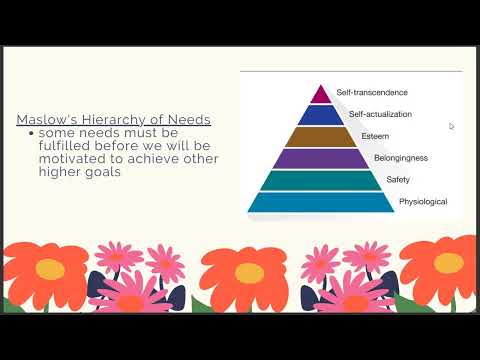
- Basic Needs: Motivation often starts with our basic needs. Think about Maslow’s hierarchy: before you aim for success or happiness, you’ve got to satisfy those fundamental needs like food and safety.
- Intrinsic vs Extrinsic Motivation: Intrinsic is when you’re motivated by internal factors—like passion or curiosity. Extrinsic comes from outside rewards—like trophies or money.
- The Emotion-Motivation Loop: Your emotions can shape your motivation too! If you’re feeling happy and excited about your goals, you’re more likely to go after them with enthusiasm.
- Satisfaction and Emotional Responses: When you achieve something (like defeating that really tough boss in a game), it brings about feelings of satisfaction which may motivate you further!
And here’s where it gets interesting: just as some games have levels to unlock based on accomplishments, our motivations can change depending on our emotional state too. If you’re feeling down or anxious? Your drive might take a hit.
Also consider this: emotions can act as signals for what truly matters to us. Ever notice how certain songs can make you feel pumped up before hitting that ‘play’ button in competitive games? It’s all about harnessing those feelings!
So when talking about motivation and emotion, it’s not all straightforward—it’s more like this intricate dance where each step affects the other.
And let me throw this out there: while understanding these concepts is super cool and enlightening, it’s no substitute for professional help if you’re really struggling with motivation or emotions. Everyone goes through rough patches; that doesn’t mean you’re alone!
In the end, motivation fuels action while emotion colors that action with experiences enriching your journey through life—or even through your favorite video games! So whether you’re looking for a way to motivate yourself for personal growth or just trying to beat that next level, keep these connections in mind!
Alright, so let’s chat about motivation and emotion, shall we? These two guys are like best friends in the psychological world. Seriously, they hang out all the time, influencing each other in pretty fascinating ways.
You ever feel that rush of excitement when you’re about to do something you love? That’s motivation kicking in. It’s like your internal cheerleader urging you to go for it. On the flip side, think about a time you were really down. It’s tough to get motivated when you’re feeling blue, right? Your emotions can really put a damper on things.
I remember a few years back when I decided I wanted to train for a half marathon. The first few weeks were amazing! I was pumped and ready to hit the pavement every day. But then, life threw some curveballs at me: work stress, family stuff—you know how it goes! And just like that, my motivation took a nosedive. It’s wild how quickly our emotions can change the game.
When we talk motivation in psychology, there are different theories at play. Like Maslow’s hierarchy of needs—you ever heard of it? Imagine a pyramid where basic needs sit at the bottom; once those are met, you climb up for things like belonging and self-actualization. If your emotional needs aren’t being met—like feeling loved or accepted—it becomes super hard to find that drive to achieve anything higher up on that pyramid.
It’s also interesting how emotions can enhance motivation. Let’s say you’re super excited about landing a new job; that excitement fuels your eagerness and determination during interviews! On the other hand, fear can be a motivator too—think about those last-minute cramming sessions before exams where anxiety pushes you into overdrive.
But here’s where it gets tricky: sometimes our emotions lead us astray from what truly motivates us. You might find yourself avoiding tasks because they’re tied to feelings of dread or inadequacy. It feels way easier to binge-watch your favorite show instead of tackling that project or homework—yeah, totally guilty over here!
So how do we bridge this gap between emotion and motivation? One idea is finding intrinsic motivation—that inherent desire to do something because it’s personally meaningful or enjoyable rather than just doing it for external rewards. Believe me—it makes all the difference! If what you’re pursuing aligns with your values and passions, guess what? Your emotions likely follow suit!
In essence, navigating this world of motivation and emotion is like dancing—a little bit of give-and-take between both sides is necessary for that sweet rhythm we all crave in life! So next time you’re feeling low on drive or overwhelmed by emotions, take a moment to check in with yourself; maybe it’s time to rediscover what lights your fire—or even take baby steps back toward those joyful moments again.
Life’s pretty messy sometimes—but embracing this connection between how we feel and what drives us can lead us down some truly rewarding paths!