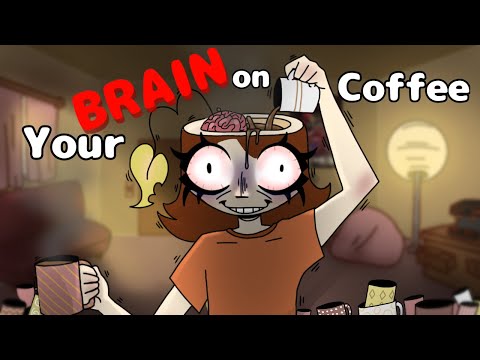
Hey, you! Let’s talk about something we all love: caffeine. Seriously, it’s like liquid magic for so many of us. That first sip of coffee in the morning? Yeah, it hits different.
Este blog ofrece contenido únicamente con fines informativos, educativos y de reflexión. La información publicada no constituye consejo médico, psicológico ni psiquiátrico, y no sustituye la evaluación, el diagnóstico, el tratamiento ni la orientación individual de un profesional debidamente acreditado. Si crees que puedes estar atravesando un problema psicológico o de salud, consulta cuanto antes con un profesional certificado antes de tomar cualquier decisión importante sobre tu bienestar. No te automediques ni inicies, suspendas o modifiques medicamentos, terapias o tratamientos por tu cuenta. Aunque intentamos que la información sea útil y precisa, no garantizamos que esté completa, actualizada o que sea adecuada. El uso de este contenido es bajo tu propia responsabilidad y su lectura no crea una relación profesional, clínica ni terapéutica con el autor o con este sitio web.
But here’s the thing—while we’re all buzzing from our favorite brew, there might be something lurking beneath that caffeine kick. Anxiety. It’s tricky, right? You think you’re just getting a boost, but sometimes that jolt can lead to a little panic.
Ever felt your heart racing after that third cup? Or maybe your thoughts just start spinning? Yeah, I totally get it. So let’s unpack this connection between caffeine and anxiety symptoms. You might be surprised by what we discover together!
Understanding the Duration of Caffeine-Induced Anxiety: What to Expect
Caffeine can be a friend or a foe, depending on how you use it. For many of us, that morning cup of coffee is like a warm hug. But for some, it can lead to anxiety that’s hard to shake off. So, what’s going on with caffeine-induced anxiety and how long does it stick around?
First off, caffeine is a stimulant. It ramps up your nervous system and can lead to increased heart rate and heightened alertness. That sounds great, right? But here’s where things get tricky. For some people, too much caffeine can trigger feelings of anxiety.
Here’s what you should know about the duration of that anxiety:
- Onset Time: Caffeine usually kicks in about 15 minutes after you consume it. If you’re sensitive to caffeine, you might feel those jitters coming on pretty quickly.
- Peak Effects: The peak effects of caffeine occur between 30 to 120 minutes post-consumption. At this point, if you’re prone to anxiety, you might start feeling overwhelmed.
- Anxiety Duration: For most people, the heightened anxiety lasts about 2-3 hours after peaking but can vary based on individual tolerance levels.
- Half-Life: Caffeine has a half-life of about 3-7 hours in healthy adults. This means that if you’ve had a lot of caffeine in one go, its effects could linger longer than you’d think!
Imagine you’ve just had three espressos while playing an intense game like «Overwatch.» Your heart’s racing from both the caffeine and the pressure to win! You feel pumped at first but then suddenly anxious because your fingers are twitching too much for precision aiming. That feeling might hit hard for the first hour or so but could stretch into several hours as your body works through all that caffeine.
It’s important to remember that not everyone reacts the same way—some folks can sip their lattes without any issues at all while others might feel jittery after just one cup! Genetics play a big role here; some people metabolize caffeine faster than others.
So what should you do if you find yourself facing this unwanted side effect? Well:
- Stay Hydrated: Drinking water may help dilute the effects of caffeine.
- Breathe Deeply: Practicing deep breathing is proven to help calm those racing thoughts.
But here’s the catch: if these feelings persist or become overwhelming, it’s really best to chat with someone who knows their stuff—like a healthcare professional. They can help guide you through it and explore different options.
In short, while caffeine can give you energy and focus when used wisely, it’s essential to be mindful of its effects on your mind and body—you know? So next time you’re reaching for that extra cup… think twice!
Understanding Caffeine Anxiety Symptoms: Causes, Effects, and Management Strategies
Caffeine is a fascinating little stimulant that many of us rely on to kick-start our day. Seriously, who doesn’t love a good cup of coffee or that fizzy soda to wake them up? But here’s the kicker: for some people, caffeine can stir up anxiety symptoms. Yep, it’s true! So, let’s break down what’s going on here.
Caffeine and Anxiety
Caffeine works by blocking adenosine, a brain chemical that makes you feel tired. When you sip on your favorite caffeinated drink, your heart might start racing, and you could even feel jittery. This can mimic or worsen anxiety symptoms in some folks. Think of it like the time your character in a game gets hit with an extra speed boost: everything feels fast-paced and chaotic!
Common Symptoms
So what exactly are these anxiety symptoms linked to caffeine? Well, they can include:
- Nervousness: You know that feeling when you’re waiting for the next spin in a game? Imagine that but exaggerated.
- Increased Heart Rate: Your heart’s racing like it’s trying to beat a high score!
- Sweating: Sometimes you might sweat like crazy after one too many cups.
- Trembling Hands: Like when your character is about to make a crucial move!
- Difficulty Sleeping: Caffeine can keep you awake long after you’ve finished that last sip.
If you’ve ever felt any of these while drinking coffee or energy drinks, it might be due to the caffeine ramping things up in your system.
The Causes
Now, why does caffeine affect some people more than others? Well, genetics play a big part. Some folks metabolize caffeine quickly while others take their sweet time processing it. And if you’re already prone to anxiety or stress—let’s say from life or gaming pressures—caffeine can be like adding fuel to the fire.
The Effects
So what happens when those caffeine-fueled jitters mix with anxiety? You could end up feeling overwhelmed or even panic-stricken at times. Imagine being in an intense gaming battle where every decision counts; now crank up the pressure!
Management Strategies
Okay, so how do we manage this caffeinated chaos? Here are some strategies:
- Your Intake: Try reducing how much caffeine you’re consuming daily. Maybe swap out one cup of coffee for decaf?
- Breathe Deeply: Seriously—take time to breathe deeply and calm yourself; it works wonders!
- Meditation: Finding moments of stillness in your day can help ease the racing thoughts.
- Create Balance: Pairing caffeine with hydration (like water) helps balance things out.
- Talk It Out: If your feelings become overwhelming consider reaching out to someone—or even a pro—for support.
All this said, if you’re finding that anxiety is interfering with your daily life—whether it’s about work stuff or just wanting to enjoy casual gaming without jitters—it’s really important to seek professional help.
In summary, understanding how caffeine interacts with our bodies can really improve our well-being. So next time you’re about to grab that extra cup of coffee before heading into life’s challenges (or gaming), just keep these things in mind! You got this!
Effective Strategies to Instantly Reduce Anxiety Caused by Caffeine
You know how sometimes you sip on that third cup of coffee, and suddenly your heart feels like it’s doing the cha-cha? That’s caffeine for you. While it can boost your energy and keep you focused, it can also stir up those anxiety symptoms. I mean, who hasn’t felt a little jittery after a double espresso?
So, let’s chat about some effective strategies to help dial down that caffeine-induced anxiety—quickly and simply.
Stay Hydrated
Water is your friend here. Sometimes, when you’re chugging coffee all day, dehydration can kick in, and guess what? That can amplify anxiety. So, take a break from the java and down that glass of water.
- Tip: Try to match every cup of coffee with a glass of water.
- Example: Think about how you feel after playing an intense session in a game without pausing for breaks; hydration would definitely help!
Breathing Techniques
You might think this is just basic stuff, but breathing exercises can seriously work wonders. When you notice that anxious feeling creeping up, pause for a moment. Inhale deeply through your nose, hold it for three seconds, then exhale through your mouth slowly.
- Tip: Aim for five deep breaths.
- Anecdote: I remember one time when I was about to go on stage to present at an event; I took those deep breaths and felt surprisingly calm!
Mindfulness and Grounding
Try grounding techniques if your mind feels like it’s racing. Focus on the sensations around you—your feet on the floor or the texture of an object in your hand. This can pull you back into reality.
- Tip: The “5-4-3-2-1” technique works wonders: identify 5 things you see, 4 things you touch, 3 things you hear, 2 things you smell, and 1 thing you taste.
- Example: Picture it like pausing during an exploration phase in a game when everything gets overwhelming.
Create a Caffeine Schedule
If you’re sensitive to caffeine’s effects on anxiety but still love that morning cup (who doesn’t?), consider planning how much you consume throughout the day.
- Tip: Limit yourself to one or two cups earlier in the day instead of hitting them all at once.
- Anecdote: I started doing this after realizing how jittery I felt during afternoon meetings—major game-changer!
Caffeine Alternatives
Exploring different options could be helpful too! Herbal teas or decaf options still give some flavor without sending your nerves into overdrive.
- Tip: Try chamomile or ginger tea instead.
- Anecdote: Swapping my late-night coffee with chamomile made all the difference before bed—who knew?
So there ya have it! These strategies might not solve everything overnight (if only life was that simple), but they can definitely help manage those anxious feelings brought on by caffeine. And remember: if anxiety is really getting the best of you or interfering with daily life, chatting with a professional is always a smart move!
You know, caffeine is like that double-edged sword in our lives, isn’t it? On one hand, it perks you up when you’re feeling sluggish. On the other, it can crank up your anxiety levels, making you feel like you’re on a roller coaster you didn’t sign up for. Let’s break this down a bit.
I remember this one time when I was cramming for finals. I thought, «Hey! I could really use a boost,» and downed way too many cups of coffee in a single day. Let me tell you, my heart felt like it was doing the cha-cha, and my mind raced with thoughts about everything from exams to what I’d eat for dinner. It was overwhelming! It really struck me how something as simple as caffeine could turn my calm day into chaos.
Caffeine works by blocking adenosine, a chemical in your brain that makes you sleepy. When that happens, your body releases adrenaline—the stress hormone. Sounds fun, right? But here’s the kicker: while some people thrive on that energy boost and end up productive as heck, others might start feeling jittery or anxious.
And it’s not just about the amount of caffeine; it’s also how sensitive you are to it. Some folks can handle a double espresso before bed and sleep like babies; others get shaky just looking at their morning brew. If you’re already prone to anxiety—which is so common—you might find yourself walking an emotional tightrope after a few cups of coffee.
But hey, what if you’re one of those who love their coffee ritual? You definitely don’t have to give it up completely! A little moderation goes a long way. Maybe try switching to decaf or herbal teas if you’re feeling extra anxious one day.
In the end, understanding how caffeine impacts your mood can be pretty eye-opening. It’s all about finding that balance—enjoying your favorite drinks while keeping an eye on how they make you feel. So next time you sip that latte or energy drink, check in with yourself. Are those jitters worth the boost?