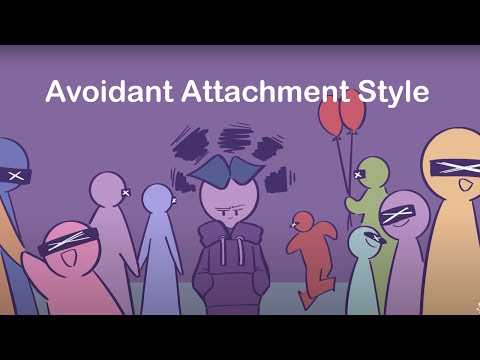
Hey, you know that feeling when you’re so glued to someone that it’s hard to breathe without them? Yeah, that’s attachment.
Este blog ofrece contenido únicamente con fines informativos, educativos y de reflexión. La información publicada no constituye consejo médico, psicológico ni psiquiátrico, y no sustituye la evaluación, el diagnóstico, el tratamiento ni la orientación individual de un profesional debidamente acreditado. Si crees que puedes estar atravesando un problema psicológico o de salud, consulta cuanto antes con un profesional certificado antes de tomar cualquier decisión importante sobre tu bienestar. No te automediques ni inicies, suspendas o modifiques medicamentos, terapias o tratamientos por tu cuenta. Aunque intentamos que la información sea útil y precisa, no garantizamos que esté completa, actualizada o que sea adecuada. El uso de este contenido es bajo tu propia responsabilidad y su lectura no crea una relación profesional, clínica ni terapéutica con el autor o con este sitio web.
But sometimes, it goes a little too far. I mean, there’s a fine line between feeling close and feeling trapped.
Think about it—ever found yourself stressing over a friend not texting back? Or feeling anxious when your partner isn’t around? That’s the tricky side of attachment.
It can mess with your head and heart in ways you might not even realize. So, what if we took a moment to unpack this? Let’s dig into what over attachment really means and how it affects us. Sound good?
Understanding Over-Attachment in Children: Effects and Challenges
Over-attachment in children can be a tricky topic. It feels like a warm blanket, but sometimes it can suffocate. When kids become overly attached to a parent or caregiver, it can lead to some significant challenges. Let’s break this down and see what it really looks like.
What is Over-Attachment? Basically, it’s when a child forms an intense emotional bond that goes beyond healthy attachment. This might show up as clinginess, extreme anxiety when separated, or trouble playing independently.
Think about it: you know how sometimes kids might burst into tears when a parent leaves for just five minutes? That’s one of those signals. They feel like their whole world is crumbling without that familiar face around.
Effects of Over-Attachment:
- Anxiety: Kids may develop severe anxiety that makes them overly dependent on their caregivers. They could struggle during playdates or even at school.
- Lack of Independence: Instead of exploring the world around them, they may cling to adults for comfort and reassurance, missing out on learning experiences.
- Social Challenges: These kids often have trouble making friends because they don’t feel secure enough to venture beyond their comfort zone.
You might have seen this in action during park outings. Imagine two kids playing—one is adventurous, climbing the jungle gym while the other only feels safe sitting next to mom on the bench. It’s sad to think about missing out on fun just because of fear!
The Root Causes:
- Parental Anxiety: If parents are anxious themselves, it can rub off on their kids. They might constantly worry about what could go wrong.
- Lack of Experience: Kids who haven’t had much practice being apart from their parents may struggle more with separation when the time comes.
- Cultural Factors: Some cultures emphasize close family ties more than others, leading to varying levels of attachment norms.
A personal story here: I remember my friend’s daughter clung to her so tightly during kindergarten drop-off that other kids were already running off happily while she stayed glued to mom’s leg. That feeling of uncertainty made her shy away from making new friends at first!
Tackling Over-Attachment Challenges:
- Create Small Separations: Start with short playdates or time apart while you’re still in the same building, gradually increasing the duration as they grow comfortable.
- Acknowledge Feelings: Let them know it’s okay to feel scared sometimes! Talk about emotions and reassure them they’ll see you soon.
- Create Independence Opportunities: Encourage solo playtime—building blocks or drawing can be great solo activities that boost confidence without overwhelming them.
If your kiddo seems really stuck in over-attachment mode, talking with a professional might be super helpful! Sometimes just having an outsider’s perspective gives both you and your child new tools for handling these feelings effectively.
If you notice signs of this behavior in your child, remember: it doesn’t define who they are! With some patience and strategy, things can improve over time. It’s all part of growing up—slowly but surely finding their footing in an ever-expanding world!
Understanding Over-Attachment: Recognizing Its Effects and Challenges in Adulthood
Over-attachment can be a tricky thing, don’t you think? It’s that feeling when you cling too tightly to people, places, or situations. On one hand, having attachments is totally normal; we all want connections. But on the other hand, overdoing it can cause some serious challenges.
So what’s the deal with over-attachment? Essentially, it often stems from childhood experiences. Maybe you grew up in an environment where love felt conditional or inconsistent. When kids feel like they have to earn affection, they might cling on desperately to whatever makes them feel secure. Now fast forward to adulthood. You might find yourself struggling with relationships or feeling anxious when someone doesn’t respond right away.
Here are a few ways over-attachment can show up in your life:
- Nervousness about being alone: Ever felt jittery just thinking about spending time by yourself? That’s a big red flag.
- Difficulty communicating: You might find it hard to express your feelings or needs because you’re so focused on not upsetting others.
- Tendency to control: Do you catch yourself trying to influence how others behave? It’s like being the player trying to control every move in a game—sometimes it just doesn’t work!
- Fear of rejection: If you’re constantly worried that someone will leave you or stop caring, it can weigh heavily on your mind.
Let me share a quick story. I had this friend who was super attached to their partner. They would get really anxious if their partner wasn’t around or if plans changed last minute. Instead of talking about how this made them feel, they’d sulk and worry, leading to misunderstandings and tension. This fear of losing that attachment hurt their relationship more than anything.
The challenge comes when natural feelings of attachment cross into territory that feels suffocating—not only for you but for those around you too. It’s like holding onto a kite so tightly that it can’t fly freely; eventually, it could break.
Recognizing these patterns is crucial! You know how when you’re playing those puzzle games and have to find the missing piece? That moment of realization is key here; once you spot the signs of over-attachment in your life, it becomes easier to address them.
Also, nurturing independence is super important! Like leveling up in a game—each small step takes you further along the path to healthier relationships. This means learning how to enjoy solo activities and pursuing personal interests without relying solely on others for validation or happiness.
So remember: while forming attachments is human nature and absolutely healthy in moderation, overdoing it can lead to struggles—and we definitely don’t want that! Be kind to yourself as you work through these challenges, and consider chatting with someone professional if things ever get overwhelming. It doesn’t mean you’re weak; it’s more like getting an extra life in your game!
Understanding Over-Attachment: Effects and Challenges in Adult Relationships
So let’s chat about over-attachment. You know, that feeling when you cling a bit too much to someone? It can happen in romantic relationships, friendships, and even family situations. Over-attachment isn’t just about wanting to be close; it’s like when you’ve got your favorite game on pause and can’t let go of the controller. You’re not ready to jump into life without that connection!
Now, why does this happen? Well, a lot stems from our early experiences. If you had nurturing relationships growing up, it might make you comfortable relying on others. But if those connections felt unstable or strained, you might end up grasping at those bonds like they’re a lifesaver in stormy waters.
The thing is, while it seems sweet at first, over-attachment can stir up some serious challenges:
- Insecurity: If you feel overly dependent on someone for your happiness, it can lead to constant worries about losing them. That fear often turns into anxiety.
- Lack of Independence: When you’re always attached to someone else for support or validation, it’s hard to find out who you are as an individual.
- Tension in Relationships: Your partner or friend might feel suffocated by your neediness. It’s like trying to play co-op mode with someone who hogs all the items; it just creates frustration.
- Impaired Communication: Sometimes being over-attached means you struggle to express your true feelings or needs because you’re too worried about how they’ll react.
I remember a friend of mine who was really close with her boyfriend—like best friends for life close. Whenever he wanted time alone to unwind or hang with his buddies without her tagging along, she’d spiral into episodes of sadness and worry. She felt abandoned even though he was just wanting some space! That creates a pattern where one person feels smothered while the other feels like they’re failing.
You might wonder how this affects day-to-day life? Well think about this: have you ever played a game where one player keeps needing help from the other constantly? At first, it’s fun! But after a while—the other player starts feeling annoyed instead of enjoying the game. This dynamic can mirror real-life situations where one person feels overwhelmed by another’s neediness.
If any of this sounds familiar and you’re thinking «Wow! That’s me!»—no shame! Recognizing over-attachment is a step toward understanding what’s going on in your relationships. Just remember though—this isn’t professional advice! I mean therapy could actually help if these feelings are causing distress.
If you’ve been navigating through these challenges yourself or have seen them in people around you, it could be worth reflecting: How do my attachments impact my connections with others?
In short: respecting your own need for independence while also cherishing those bonds is key! Balance is everything here—just don’t forget to put down that controller sometimes and see what else is out there!
Okay, let’s chat about over attachment. You know, that feeling when you’re just a little too hooked on someone or something? It can sneak up on you, and honestly, it can be a tough thing to recognize in yourself.
I remember this time my friend Melissa found herself totally wrapped up in her relationship with her boyfriend. I mean, they were great together, but it was like she lost herself in the process. She stopped hanging out with friends and pursuing her hobbies because everything revolved around him. At some point, she said to me, “I don’t even know what I like anymore!” That made me think—wow! How do we let that happen?
Over attachment can show up in different ways. For some folks, it might be clinging to a partner who constantly disappoints them. You’re waiting for things to change—until they don’t—and then what? Others might feel that pull toward objects or habits that give them comfort—a favorite blanket perhaps? And then there’s social media; ever find yourself scrolling endlessly just to feel connected? Yikes!
So what’s the deal with over attachment anyway? Well, at its core, it’s often rooted in fear—insecurity about losing something important or maybe even fear of being alone. It makes sense; most humans crave connection and stability. But here’s the catch: getting too attached can lead to anxiety and feelings of inadequacy when those attachments start to falter.
And it doesn’t just affect you; it spills over into your relationships with others too. People may feel smothered or pressured by your expectations. I mean, no one wants their love to feel like a weight instead of a joy!
Recognizing over attachment is tricky but crucial. You might catch yourself feeling jealous often or checking up on someone more than you’d like to admit—those are signs! It’s all about finding balance; you can cherish your bonds while still keeping your independence.
In the end, learning about ourselves is half the battle—the other half is applying what we discover. Who knew that peeling back those layers could really help us grow? So if you’re feeling tangled up in dependency right now, take a breath! It’s okay; you’re not alone—and reaching out for support might be just the thing to help you untangle those threads.