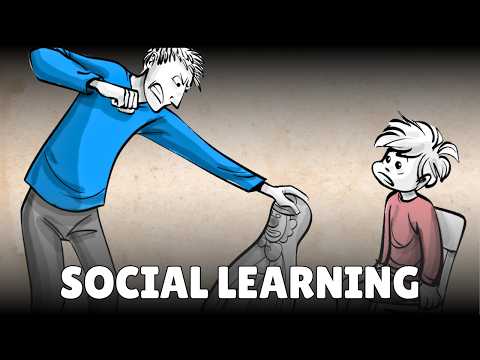
Alright, let’s chat about Bandura’s education theory. You know, the guy who basically said we learn by watching others?
Este blog ofrece contenido únicamente con fines informativos, educativos y de reflexión. La información publicada no constituye consejo médico, psicológico ni psiquiátrico, y no sustituye la evaluación, el diagnóstico, el tratamiento ni la orientación individual de un profesional debidamente acreditado. Si crees que puedes estar atravesando un problema psicológico o de salud, consulta cuanto antes con un profesional certificado antes de tomar cualquier decisión importante sobre tu bienestar. No te automediques ni inicies, suspendas o modifiques medicamentos, terapias o tratamientos por tu cuenta. Aunque intentamos que la información sea útil y precisa, no garantizamos que esté completa, actualizada o que sea adecuada. El uso de este contenido es bajo tu propia responsabilidad y su lectura no crea una relación profesional, clínica ni terapéutica con el autor o con este sitio web.
It’s kind of neat when you think about it. Imagine sitting in a classroom and just soaking up all that knowledge because someone else showed you the way.
But it’s not just for school. This stuff pops up everywhere: in sports, at work, even with how we pick up new hobbies. Wild, huh?
So, ever caught yourself mimicking someone you admire? That’s Bandura at work! Let’s break this down together and see how it can really shake things up in learning. Sound good?
Applying Bandura’s Social Learning Theory in Educational Settings
So, let’s chat about Bandura’s Social Learning Theory. This is a big deal in the realm of education. Basically, it says you learn not only through your own experiences but also by observing others. Think of it like this: you see someone doing a backflip at the park, and suddenly you want to try it too, right? It’s all about imitation and observation.
Key elements of Bandura’s theory include:
- Attention: You’ve gotta pay attention to learn. If the teacher’s talking about something snooze-worthy, you’re probably tuning out.
- Retention: After paying attention, you need to remember what you saw or heard. Like, if you watch a tutorial on YouTube but forget what they said while you’re trying it out later—bummer!
- Reproduction: Now comes the fun part! This is where you actually try to do what you’ve seen. Maybe after watching that tutorial on flipping, you give it a go yourself.
- Motivation: Lastly, if you’re pumped to learn something—say because your buddy just did an awesome trick—that motivation drives you to keep at it.
You know what? Bandura didn’t just pull this stuff from thin air. He used a classic experiment with kids and Bobo dolls to show how kids imitate behavior. They watched adults playing aggressively with these dolls and then—they guess what—they imitated that behavior when they got their own turn! It wasn’t just about aggression; it showed how powerful role models can be for children.
So how does this theory play out in classrooms? Well, first off, teachers can act as role models. When they demonstrate enthusiasm for learning or problem-solving strategies in math class, students might pick up on that vibe and feel motivated themselves. Plus, when teachers share their own learning experiences—like struggling with a concept before mastering it—it makes them relatable!
You could also use group projects as a practical application of this theory. By working together on an assignment, students can observe each other’s strengths and weaknesses. For instance, if one kid is great at public speaking while another excels in research skills, they can learn from each other as they tackle the same project!
The use of technology plays a huge role too! Imagine using educational games that require teamwork or collaboration online—like Minecraft or Fortnite. These platforms encourage players to watch each other’s strategies and adapt their approaches accordingly.
The idea is simple: when students see peers succeed through effort rather than just talent alone—as shown in those epic collaborative games—they’re more likely to believe they can do it too!
If we think about classroom management based on Bandura’s insights, teachers can create environments where positive behaviors are noticed and rewarded. When students see their friends getting praise for helping others understand something new or completing assignments creatively, they’re likely gonna want that positive reinforcement too!
The best part? Using Bandura’s theory doesn’t mean ignoring individual differences among learners either! Some kids may take longer than others to figure things out—that’s totally cool! The key takeaway here is that by making sure everyone feels included—through observation and participation—you’re giving each student a chance to shine.
This approach definitely doesn’t replace professional help though; it’s just one way educators can nurture growth in their students’ learning journeys.
In summary—and going back to basics—Bandura’s Social Learning Theory highlights how powerful observing others can be in education settings. So whether it’s through direct instruction or peer interaction (or even those fun online games), there are countless ways we can help learners discover new skills while having some fun along the way!
Understanding the 4 Key Steps of Bandura’s Social Learning Theory: A Clear Guide
Bandura’s Social Learning Theory is a pretty interesting concept. You know, it basically suggests that we learn not just through our own experiences but also by observing others. This can be super helpful in understanding how behaviors and skills are taught and picked up in daily life.
Let’s break down the four key steps of this theory. It’s all about observation, imitation, and reinforcement—so get ready for a quick tour!
1. Attention
The first step involves paying attention to a model. A model can be anyone: a teacher, a parent, or even a character in a video game you like, you know? For example, think about how you might learn to play a new game. You watch someone play first—maybe a friend or an online streamer—and you’re taking mental notes.
2. Retention
Next up is retention. This means that after you’ve observed something, you need to remember it later on. Your brain needs to keep that information stored! Maybe when you’re watching that same gamer again, you’re thinking about the strategies they used. If you’re really into it, you might even replay clips in your head before trying it yourself.
3. Reproduction
Now comes reproduction. This is where you attempt to imitate what you’ve observed. Picture this: after binge-watching those gaming strategies online, you turn on your console and give it your best shot! It might take practice, but you’ll start replicating those moves as closely as possible.
4. Motivation
Finally, we have motivation—it’s like the secret sauce here! Even if you’ve seen someone do something perfectly if you’re not motivated to try it yourself, well… that’s where progress stalls out! Sometimes rewards can help kickstart this motivation; like getting better scores or compliments from friends when you finally master that tricky level!
So there you have it! The whole process—attention, retention, reproduction, and motivation—creates the framework of Bandura’s Social Learning Theory. It applies not only in gaming scenarios but also in classrooms and everyday life situations too.
In the end though remember: while this theory shines light on how learning occurs through social interactions and observations, it’s essential to understand that everyone’s journey is different! There’s always room for professional help if needed; personal growth varies according to individual experiences and circumstances.
How to Properly Cite Bandura’s 1986 Work in Academic Writing
When you’re writing about Bandura’s work, especially his 1986 contributions to educational theory, it’s essential to give proper credit to his ideas. It’s not just about being polite; it helps readers understand where your information comes from. Let’s break down how to properly cite his work in your academic writing, specifically related to «Bandura Education Theory: Foundations and Applications in Learning.»
First off, you’ll want to familiarize yourself with the citation style you’re using. Whether it’s APA, MLA, or Chicago, each has its own little quirks. For this example, we’ll go with APA format, which is commonly used in psychology.
Basic format for APA citations:
1. Author’s Last Name, First Initial(s). (Year of Publication). Title of the work: Capital letter also for subtitle. Publisher.
For Bandura’s 1986 work, here’s how it looks:
Bandura, A. (1986). Social foundations of thought and action: A social cognitive theory. Englewood Cliffs, NJ: Prentice-Hall.
So if you were referencing Bandura in-text while discussing his concepts like observational learning or self-efficacy—which are super important in education—you would do something like this:
(Bandura, 1986).
Now let’s talk about some specific applications of his theories in an educational context you might want to explore:
- Observational Learning: This is where learning happens by watching others. Imagine kids playing “Simon Says.” They learn not just from doing but by seeing someone else do the right (or wrong) moves.
- Self-Efficacy: This refers to one’s belief in their ability to succeed. Picture a student mastering a difficult game level after several tries—each success boosts their confidence for future challenges!
- Social Learning: Bandura emphasized that we learn within a social context. Think about how gamers often join platforms like Twitch—not only are they playing but they’re learning strategies by watching others.
When you cite these applications based on Bandura’s theories in your writing, always circle back to that original source for more depth. Make sure your references section at the end contains the complete citation too!
And don’t forget—never take shortcuts when referencing someone else’s work! Using proper citations enhances your credibility as a writer and helps foster a culture of respect for intellectual property.
In short, properly citing Bandura’s 1986 work not only adds weight to your arguments but also builds bridges between ideas and knowledge-sharing among scholars and students alike! Just keep it clear and accurate so readers know exactly where those brilliant concepts come from.
Okay, so let’s chat a bit about Bandura’s Education Theory. You might’ve heard of Albert Bandura before—he’s the guy behind the whole social learning thing. Basically, he thought people learn a lot by watching others, like kids picking up habits from their parents or friends. It’s kinda magical when you think about it!
Imagine this: you’re a kid in a playground, and you see your buddy try to climb a jungle gym. They stumble and fall but then get back up and try again. You watch this whole scene unfold, right? Over time, instead of just standing there, you start thinking, «Hey, if they can do it, I can too!» That’s Bandura’s theory for ya—learning through observation and imitation.
Now, what’s really cool is that this idea extends way beyond the playground. Think about how we learn in classrooms or even just in our daily lives. Teachers use role models or demonstrations to show how things are done. When a teacher explains something while also showing it on the board or using examples from real life? You’re more likely to pick up on it!
But here’s where things get even more interesting—self-efficacy. Okay, that sounds fancy but hang with me; it’s basically believing that you can succeed at something. If you think back to that kid climbing the jungle gym again—if they believe they can do it after seeing their friend succeed, they’re much more likely to keep trying despite setbacks! This belief can change everything.
I remember back in high school when I had this teacher who always encouraged us to share our ideas—even the wild ones—and guess what? We felt empowered! It wasn’t just about memorizing facts; it was about believing we could contribute something valuable in class discussions. It was those little moments of observation plus encouragement that really stuck with me.
So yeah, Bandura’s work emphasizes not just learning through doing but also observing others mess up (and succeed). It’s such an essential part of how we grow as individuals and even how societies evolve over time. So next time you’re in a situation where you’re picking up on someone else’s actions—whether good or bad—remember Bandura’s got your back! You’re learning every moment; it’s all part of being human. Cool, right?