Hey there! Let’s chat about something super interesting: Bandura modeling and social learning theory.
Este blog ofrece contenido únicamente con fines informativos, educativos y de reflexión. La información publicada no constituye consejo médico, psicológico ni psiquiátrico, y no sustituye la evaluación, el diagnóstico, el tratamiento ni la orientación individual de un profesional debidamente acreditado. Si crees que puedes estar atravesando un problema psicológico o de salud, consulta cuanto antes con un profesional certificado antes de tomar cualquier decisión importante sobre tu bienestar. No te automediques ni inicies, suspendas o modifiques medicamentos, terapias o tratamientos por tu cuenta. Aunque intentamos que la información sea útil y precisa, no garantizamos que esté completa, actualizada o que sea adecuada. El uso de este contenido es bajo tu propia responsabilidad y su lectura no crea una relación profesional, clínica ni terapéutica con el autor o con este sitio web.
So, you know how we often pick up habits or behaviors just by watching others? It’s like when you see a kid throwing a tantrum at the store, and suddenly your own little one thinks that’s a great idea!
That’s kinda what Albert Bandura was getting at. He showed us that we learn not only through our own experiences but also by observing those around us. Crazy, right?
Stick around, and I’ll share some cool insights about how this whole thing works!
Understanding Bandura’s Social Learning Theory: A Comprehensive PDF Guide
Alright, let’s chat about Bandura’s Social Learning Theory. It’s like this cool idea that says, “Hey, you learn a lot by watching others!” Seriously. This concept was brought to us by Albert Bandura back in the day, and it’s made a huge splash in psychology.
So, what exactly is it? Well, at its core, this theory emphasizes that we can learn behaviors not just through direct experience but also by observing how others behave. Think of it like this: when you see your friend nail a tricky video game move or make a great play in sports, you’re likely to try and mimic that!
Key Components of Social Learning Theory:
- Attention: You gotta pay attention first! If you’re not focused on what someone’s doing, there’s no way you’re gonna pick up on their behavior. It’s like when you zone out during a lesson—that info just doesn’t stick.
- Retention: After you see something cool or interesting, you need to remember it! This is where memory kicks in. Ever heard something hilarious and couldn’t stop thinking about it? That’s retention at work.
- Reproduction: Now comes the fun part! You’ve paid attention and retained the info; now you get to actually do it. Like trying out that new move in a dance game after seeing someone else pull it off!
- Motivation: Finally, there needs to be some kind of reason for you to wanna repeat the behavior. Maybe your friend got a high score or praise for their dance skills—now you’re motivated to try too!
But here’s where things get even cooler: Bandura introduced the idea of modeling. This means that we can imitate behaviors without being directly reinforced for them. Like if you’re playing “The Sims” and see your character doing something awesome—like becoming an astronaut—you may become motivated to pursue similar interests in real life!
And hey, remember when you’re playing games online with friends? You’re probably picking up their strategies and moves as they play right beside you—I mean, who hasn’t tried to copy that one epic jump from someone they watched on-screen? That right there showcases how social learning happens!
One of the major takeaways here is recognizing how role models can shape our behaviors. Whether it’s parents showing kindness or friends demonstrating teamwork during match-ups—these influences shape who we are and how we act.
Now let me tell you—a personal story: when I was younger, my cousin taught me how to ride a bike. I mean, I was terrified at first! But watching him do it over and over again made me realize I could do it too! And guess what? After some wobbly attempts (and maybe a scrape or two), I finally learned how to ride; all thanks to observing him!
In terms of application, understanding Bandura’s theory can help in various settings—like schools teaching kids positive behaviors or workplaces encouraging teamwork among employees.
Keep in mind though: while social learning has powerful effects on behavior formation, it doesn’t replace professional guidance if you’re struggling with certain issues.
All in all, Bandura’s Social Learning Theory gives us insight into why imitation matters so much in our lives—from kids learning how to share toys nicely to adults navigating social interactions at work! So next time you’re picking up something new from someone around you—even if it’s just a funny phrase—give a little nod to Bandura’s great work!
Understanding Bandura’s Social Learning Theory (1977): Key Concepts and Implications
So, let’s unpack **Bandura’s Social Learning Theory**, shall we? This theory is all about how we learn from watching others. You know how a kid picks up a toy and pretends to use it just because they saw someone else do it? Yeah, that’s pretty much it!
**Key Concepts of Bandura’s Social Learning Theory:**
- Observation: The idea here is simple: you watch someone do something, and then you mimic it. Think about when you see your friend play a video game. If they pull off a cool move, you might try to do the same thing!
- Imitation: Once you’ve observed something, you might decide to imitate it. If your favorite character in a game does an awesome dance, you’re likely to try that out too! It’s kind of like picking up trends from your peers.
- Modeling: This is where the fun really happens. Bandura said that people serve as models for behavior. So if your favorite YouTuber shows off their new gaming skills, you probably want to learn those moves yourself!
- Reinforcement: Now this one’s interesting! If you see someone rewarded for their behavior — like getting cheers after scoring in a game — you’re more likely to want to replicate that behavior yourself!
- Cognitive Processes: It’s not just about watching; it’s also about thinking! You consider what you’ve seen and whether you’d be able to do it too. Does that make sense?
So basically, Bandura was saying we don’t learn in isolation; we watch each other and pick up behaviors from our environment.
Now here’s something fun! Remember when “Pokemon Go” was huge? Lots of players walked outside looking for Pokémon after seeing friends or influencers catching them on social media. They were modeling the behavior they observed in others!
And hey, even adults get caught up in this whole learning-from-watching thing! Ever seen someone nail a recipe on Instagram and then feel super inspired (or sometimes pressured) to try cooking like them? That’s social learning at work!
**Implications of the Theory:**
The implications are pretty significant if you think about it:
- Education: Teachers can leverage this by using peer models. If one student excels at math and shares strategies with classmates, others might follow suit.
- Media Influence: The way media portrays behaviors can affect real-life actions. Violence or aggression shown in games or shows can be mimicked by viewers—just saying!
- Coping Strategies: Watching others deal with stress or challenges can help people develop their own coping mechanisms—like seeing how a character handles tough situations might inspire similar responses in real life.
Honestly, Bandura’s work gave us some important insights into human behavior. It emphasizes the importance of observing others as we navigate through life.
And remember, while understanding social learning theory is fascinating and helpful for personal growth, it’s not a substitute for professional help if you’re dealing with deeper issues. Always reach out if things get heavy—you deserve support!
Practical Examples of Social Learning Theory in Everyday Life
So, have you ever noticed how much we learn from just watching others? That’s kind of the core idea behind Social Learning Theory, which was developed by Albert Bandura. Basically, it says that much of what we learn comes from observing those around us, rather than just through direct experience. Let’s unpack this with some practical examples from everyday life.
First off, think about children. When a kid sees an adult tie their shoes or cook dinner, they often try to mimic those actions. Why? Because they see the result—like tied shoes or a yummy meal—and they want that too. Kids pick up skills and behaviors simply by watching how others do things. It’s like they’re little sponges soaking up everything!
Now let’s talk about some key aspects of Bandura’s theory:
- Attention: You can’t learn if you’re not paying attention! If someone is distracted while you’re showing them how to play a game, they probably won’t pick up on your strategies.
- Retention: It’s important to remember what you’ve seen. Let’s say you’re watching a video tutorial on skateboarding tricks and you’re really focused; your brain stores that knowledge for later use.
- Reproduction: After observing, it’s time to give it a go yourself! Maybe after watching your friend pull off an awesome skateboard flip, you decide to try it out yourself.
- Motivation: This is key! If you think skateboarding is cool and you want to impress your friends, you’ll be more inclined to practice what you’ve seen.
The beauty of this process is that it doesn’t just happen in childhood—it’s something we do throughout our lives! For example, when adults change jobs or take on new challenges at work, they often watch their colleagues for cues on how to perform tasks effectively. Ever started a new job and noticed how closely you observe your coworkers? Yeah, that’s not by chance!
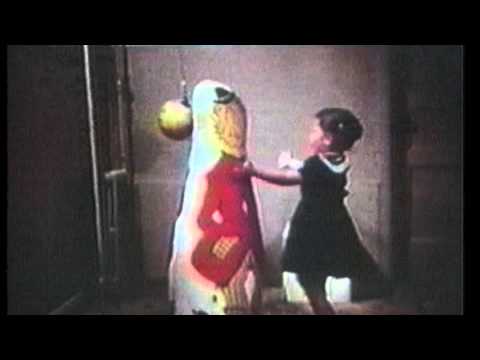
A classic example comes from Bandura’s own experiments with kids and dolls known as the ‘Bobo Doll’ experiment. In his study (which sounds super fun), kids watched adults either aggressively attack a Bobo doll or play with it nicely. Guess what happened? The kids who saw the aggressive behavior were way more likely to imitate violence towards the doll themselves! It’s like they were recording that behavior in their heads and hitting play later.
You know what? Even in online environments like social media or video games, Social Learning Theory is everywhere. Think about gaming communities where players watch live streams or tutorials—many times they learn new tactics just by seeing someone else do them successfully in real-time.
The takeaway here is clear: learning isn’t always about sitting down and reading books. A lot of our skills come from observing others and imitating them—sometimes even without realizing it! Just remember: while this theory helps explain a lot about human behavior, it’s not a replacement for professional help if you’re struggling with deeper issues.
So next time you catch yourself picking up a habit from someone around you—or maybe trying out that crazy move you saw on Twitch—just think: you’re tapping into one of the foundational ideas of psychology without even knowing!
Alright, so let’s chat about something that’s pretty cool: Bandura’s modeling and social learning theory. You know, it’s that whole idea that we learn not just from getting told stuff but by watching others too. Imagine being a kid again – remember when you picked up a skateboard? Chances are you didn’t just hop on and go for it. Nope! You probably watched someone else do it first, figuring out the tricks and stumbles before attempting it yourself.
So, let’s break this down. Albert Bandura was this psychologist who realized that we absorb more than we think by observing others’ behavior. This isn’t just about seeing someone do something neat; it’s more about how we take in their actions, thoughts, and even feelings. Like, when your friend gets nervous before a presentation but still gives it their all? You might learn to face your own fears by watching them deal with theirs.
Now here’s where it gets emotional for a sec. I remember a time in school when my buddy Sam really struggled with math. He’d watch our teacher explain things like solving for ‘x’. One day, he finally understood how to do it because he saw her walk through the problem step by step—and he tried it himself afterward! That moment seemed small at the time, but looking back, I see that Sam not only learned math but also gained confidence from seeing someone else tackle challenges.
But here’s the kicker—social learning isn’t all sunshine and rainbows. You can pick up negative habits too! Think about it: if a kid sees someone throwing tantrums to get what they want, they might think that’s an effective way to communicate their needs too. It’s like this two-way street; you might end up mirroring both good and bad behaviors.
And here’s something interesting: Bandura introduced three key factors that play into this modeling game: attention, retention, and reproduction. First off, you gotta notice what someone’s doing (attention), then remember those actions (retention), and finally actually perform them yourself (reproduction). If any of those pieces are missing? Well, things can get iffy.
In the end—and this is kinda crucial—understanding Bandura’s theory helps us see why role models matter in our lives. Whether it’s your favorite athlete or even your parent’s work ethic—those influences shape how you think you’ll handle life situations down the line. So yeah, keep an eye out for what you’re absorbing from those around you; you never know when you might be picking up something cool or dodgy! It all counts in how we grow as people.
So there ya have it! A little reflection on Bandura’s social learning theory that shows we’re all basically sponges soaking up life lessons everywhere we go—whether we’re aware of it or not!