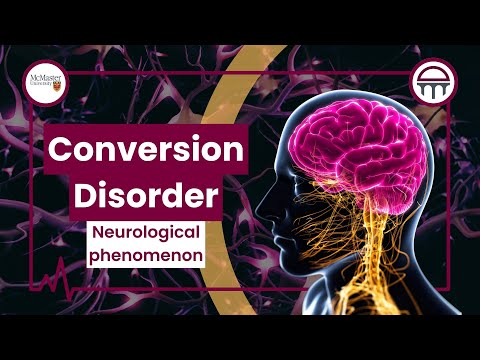
You know how sometimes your brain just pulls a fast one on you? Like, one minute you’re fine, and the next you’re feeling completely out of sorts? Well, that’s kind of what conversion disorder is all about.
Este blog ofrece contenido únicamente con fines informativos, educativos y de reflexión. La información publicada no constituye consejo médico, psicológico ni psiquiátrico, y no sustituye la evaluación, el diagnóstico, el tratamiento ni la orientación individual de un profesional debidamente acreditado. Si crees que puedes estar atravesando un problema psicológico o de salud, consulta cuanto antes con un profesional certificado antes de tomar cualquier decisión importante sobre tu bienestar. No te automediques ni inicies, suspendas o modifiques medicamentos, terapias o tratamientos por tu cuenta. Aunque intentamos que la información sea útil y precisa, no garantizamos que esté completa, actualizada o que sea adecuada. El uso de este contenido es bajo tu propia responsabilidad y su lectura no crea una relación profesional, clínica ni terapéutica con el autor o con este sitio web.
Imagine waking up one day and suddenly not being able to move your arm or feeling like you can’t breathe. Crazy, right? But that’s exactly what happens to some people.
It’s not because they’ve got a physical injury or illness. Nope! It’s more about how stress and emotions can mess with our bodies in unexpected ways.
In this chat, we’ll break down the key features of conversion disorder according to the DSM-5—the big book that helps doctors diagnose mental health stuff. So grab a comfy seat! We’re diving into a pretty wild topic together.
Understanding the Main Feature of Conversion Disorder: Key Insights and Implications
Conversion disorder can feel a bit like a mystery, and that’s kind of the point. You see, it’s not just about physical symptoms; it’s got a lot to do with how our minds and bodies communicate— or sometimes don’t.
So, what is conversion disorder? In a nutshell, it’s when someone experiences neurological symptoms that seem real but have no clear medical explanation. Imagine you’re playing a video game, and suddenly your character freezes. It might look like a glitch, right? But sometimes, what’s happening isn’t a technical issue; it’s more about what’s going on under the surface.
When it comes to diagnosing conversion disorder, mental health professionals often refer to **DSM-5 criteria**. Here are some key features:
- Symptoms: These include things like weakness, paralysis, or shaking that seems neurological but isn’t caused by any known medical issues.
- Incompatibility: The symptoms typically don’t align with medical or neurological conditions. Like, if you can’t move your arm but there’s nothing physically wrong with it.
- Psychological factors: Often there are significant stressors or psychological conflicts at play.
- Dysfunction: The symptoms cause significant distress or impairment in social, occupational, or other important areas of functioning.
It’s fascinating how deeply our emotions can affect our bodies! Let me share this story: I once knew someone who was always anxious about public speaking. One day during an important presentation, they suddenly lost their ability to speak— not because they had a throat issue but because their anxiety manifested physically. It was as if their brain pressed “pause” on their vocal cords.
But here’s the kicker: conversion disorder isn’t just «all in your head.» It’s very real for those experiencing it. This isn’t something people choose; rather it’s often an unconscious response to stressors or unresolved conflicts.
And treatment for conversion disorder can be as varied as the symptoms themselves. Options might include:
- Cognitive Behavioral Therapy (CBT): This helps people understand how their thoughts impact their physical feelings.
- Physical therapy: Sometimes working through the physical aspects can help resolve the disconnect.
- Psychoeducation: Teaching both patients and families about the condition can be really beneficial.
To wrap things up— conversion disorder is complex but fascinating! It highlights how intertwined our emotional state and physical health really are. And although figuring it out can take time and patience, remember that professional help is crucial for anyone dealing with this kind of situation.
You know what? It’s okay to seek support if you or someone you know is struggling.
Understanding the New Diagnosis for Conversion Disorder: Key Insights and Implications
Conversion disorder, or functional neurological symptom disorder, can sound like a mouthful, right? But hang tight; we’re gonna break it down into simple terms. Basically, this is a condition where you have physical symptoms that can’t be explained by medical issues. Think of it as your brain and body going through a bit of a miscommunication.
So, what are the key features? Well, let’s list a few important points for you:
- Symptoms: These can include weakness, paralysis, abnormal movements, or even non-epileptic seizures. Imagine your hand just stops working one day for no clear reason—that’s the vibe!
- Psychological Factors: Often, there are psychological factors involved that people might not even realize are impacting them. Stress or trauma can play big roles here.
- Diagnosis Criteria: According to the DSM-5 (the big book of mental health), doctors look for specific criteria to diagnose this disorder. They gotta find that the symptoms don’t match medical conditions and are not intentionally produced.
You know what’s interesting? The diagnosis has evolved over time. Back in the day, it was labeled as hysterical conversion but has since transitioned to its current name to reflect better understanding and sensitivity towards those experiencing it. This change isn’t just about words; it means a shift in how people perceive these symptoms—less stigma and more understanding!
For example, suppose you’re playing an intense game like “Overwatch.” If your character suddenly freezes up due to lag or a network issue when you really need to dodge an attack—that’s frustrating! Well, conversion disorder feels kind of like that but with your own body throwing you curveballs instead of internet connectivity issues!
And let me tell you about implications—this isn’t just about getting labeled with another diagnosis; it’s essential for treatment approaches too. When professionals recognize conversion disorder appropriately, they can focus on therapeutic strategies tailored specifically for individuals:
- Physical Therapy: It often becomes crucial as patients work through movement challenges.
- Therapy: Cognitive-behavioral therapy (CBT) may help tackle underlying stressors or trauma.
- Support Groups: Connecting with others facing similar situations can provide comfort and strategies.
But here’s the catch: if you’re noticing these kinds of symptoms in yourself or someone else? It’s super important to seek professional help! Don’t try to navigate this alone because every case is unique.
In the end—and I really mean this—it’s all about understanding ourselves better. Conversion disorder reminds us how closely tied our minds and bodies are—and how complex that connection can be! So stay curious and compassionate towards yourself or others who might be living with this condition, okay?
Understanding Conversion Reaction: Symptoms, Diagnosis, and Treatment Options
Alright, let’s chat about something called Conversion Reaction, or as it’s more officially known, Conversion Disorder. This is one of those topics that can feel kind of heavy, but breaking it down makes it a little easier to digest.
What is Conversion Disorder? It’s a psychological condition where you experience physical symptoms that can’t be fully explained by medical issues. It’s like your brain and body are having this weird communication breakdown. Imagine playing a game where your character just freezes for no reason—total glitch mode!
Symptoms: The symptoms can vary widely and often include:
- Weakness or paralysis: You might find it hard to move an arm or leg.
- Numbness or loss of sensation: It’s like having a body part fall asleep, but it doesn’t wake up.
- Seizures or convulsions: These can look like epileptic seizures but don’t have the same electrical activity in the brain.
- Tremors or abnormal gait: Picture trying to walk after being on a roller coaster—your body just won’t cooperate.
This stuff can be pretty scary, especially if you don’t know what’s happening. I remember a friend who suddenly couldn’t feel her legs after an intense breakup. Turns out her body was reacting to all that emotional stress in ways she couldn’t control.
Diagnosis: So how do doctors figure out if someone has this disorder? Well, they usually start with a solid physical exam and may run some tests to rule out other medical conditions. The big focus is on making sure there are no underlying health issues causing these symptoms. If everything checks out and the symptoms align with Conversion Disorder criteria in the DSM-5 (that’s just the handbook for diagnosing mental health disorders), then you’re likely looking at this diagnosis.
- The symptoms aren’t intentionally produced (like faking an illness).
- The symptoms cause significant distress or impairment in areas of life such as work, social interactions, or other crucial parts of daily living.
- The symptom isn’t better explained by another medical condition or mental disorder.
Treatment Options: Alright, so what do you do about it? Treatment often includes various approaches such as:
- Cognitive Behavioral Therapy (CBT): This helps you change the way you think about and react to stressors. Kind of like leveling up your skills in a game!
- Physical therapy: This can help rebuild strength and movement if you’ve lost any function due to the disorder.
- Lifestyle changes: Stress management techniques like yoga or meditation can really help too!
The thing is, addressing Conversion Disorder usually takes time and patience—you can’t rush healing! Just remember that seeking professional help is something you should definitely consider if you’re dealing with this kind of struggle. You’re not alone; people face these challenges every day. All in all, understanding what Conversion Disorder is makes navigating through it just a bit easier, don’t you think?
If you ever find yourself feeling overwhelmed by physical symptoms without clear explanations from doctors, talking to a mental health professional can really make a difference. Their insights could be what helps put your pieces back together again!
So, let’s chat about conversion disorder, which is kinda like a puzzling thing that happens in your head and shows up in your body. It’s part of the DSM-5, which is the official handbook that many mental health professionals use. But don’t worry; I’m not going to throw a bunch of jargon at you. We’ll keep it real and simple.
Picture this: You’re super stressed about something—maybe a big presentation at work or family drama—then suddenly, you start feeling weak or maybe even lose the ability to move your arm. That’s conversion disorder in action! Your brain is so overwhelmed that it expresses itself through physical symptoms, even if there’s no clear medical reason for them. Pretty wild, huh?
When it comes to diagnosing this kind of disorder, there are some key features you should know about. The first one? The symptoms are real! They can include weakness, paralysis, or even seizures—but here’s the kicker: doctors can’t find any medical condition to explain what’s going on. It’s like your brain throws a curveball at you during an already tough time.
Another thing is that these symptoms can often be triggered by a stressful event. Let me share something personal here: I once had a friend who went through a nasty breakup and started having really bad stomach pains that sent her to the ER multiple times. All tests came back normal! Doctors finally suggested it might be stress-related—like her mind was just trying to cope with all those emotions.
For diagnosis, healthcare providers look for certain criteria outlined in the DSM-5. To put it simply, they assess if the person has neurological symptoms (like numbness) that aren’t caused by other medical conditions and if those symptoms can be linked back to psychological stressors.
And yeah, sometimes people might feel embarrassed or confused about what they’re experiencing but knowing it’s not “just in their head” but rather a real psychological response can help lighten that load.
But remember this: diagnosis isn’t always straightforward; it requires careful evaluation by professionals who understand both mental health and physical health. All in all, conversion disorder highlights how deeply intertwined our minds and bodies really are—and how stress can manifest in unexpected ways.
So if you or someone close to you ever finds themselves dealing with strange symptoms without clear reasons behind them, don’t ignore it! Reaching out for help from someone who gets both sides—the emotional and physical—is key. We’re all a bit more complex than we think!