So, you’ve probably heard about the DISC survey, right? It’s that cool tool that helps you understand people’s personalities.
Este blog ofrece contenido únicamente con fines informativos, educativos y de reflexión. La información publicada no constituye consejo médico, psicológico ni psiquiátrico, y no sustituye la evaluación, el diagnóstico, el tratamiento ni la orientación individual de un profesional debidamente acreditado. Si crees que puedes estar atravesando un problema psicológico o de salud, consulta cuanto antes con un profesional certificado antes de tomar cualquier decisión importante sobre tu bienestar. No te automediques ni inicies, suspendas o modifiques medicamentos, terapias o tratamientos por tu cuenta. Aunque intentamos que la información sea útil y precisa, no garantizamos que esté completa, actualizada o que sea adecuada. El uso de este contenido es bajo tu propia responsabilidad y su lectura no crea una relación profesional, clínica ni terapéutica con el autor o con este sitio web.
I mean, imagine being in a team where everyone just clicks! How awesome would that be?
The crazy thing is, understanding each other’s styles can totally change the game in how we interact.
I remember when my team took the DISC survey. It was like flipping a switch. We started seeing each other in a whole new light!
Suddenly, all those quirky habits made sense. You know, like why Mark always needed things to be super organized or why Sarah loved brainstorming sessions.
Let’s dive into how these insights can boost your team’s vibe!
Key Takeaways from DISC Surveys for Enhancing Team Dynamics
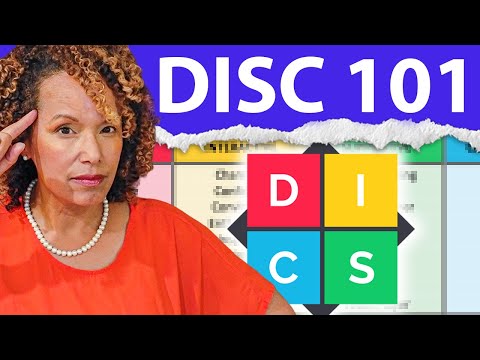
So, you’re curious about DISC surveys and how they can seriously jazz up team dynamics? You’ve come to the right spot! The DISC model looks at four main personality traits: Dominance, Influence, Steadiness, and Conscientiousness. Understanding these can seriously change the game for your team.
Dominance folks are all about results. They like challenges and power. If you’ve ever played a competitive video game where someone is always trying to be the top scorer, that’s your Dominant personality right there!
Influence types are super people-oriented. They thrive on interaction and teamwork. Imagine someone who loves to spark conversation during board games—always trying to get everyone involved—that’s the Influencer!
Steadiness personalities bring harmony and support. These are the peacemakers in your group, kind of like the friend who’s always making sure no one feels left out in a social game night.
Conscientiousness individuals focus on details and accuracy. Think of them as the ones who meticulously plan everything for game night, ensuring every rule is followed correctly.
When you pull insights from a DISC survey for your team, it’s like having a cheat sheet on how everyone operates! Let’s break down some key takeaways:
- Improve Communication: When you know what makes your teammates tick, you can chat in ways that make sense to them. For example, if a colleague thrives on structured discussions (a C), stick to facts when talking with them.
- Tailor Your Approach: If you’re leading a project and know who prefers a hands-on approach (D) versus those who enjoy collaboration (I), adjust how you delegate tasks accordingly.
- Avoid Conflicts: Understanding each other’s styles helps prevent misunderstandings that could lead to frustration. Imagine an I getting frustrated with a D’s brusque manner—knowing this allows both sides to find common ground.
- Create Balanced Teams: When forming teams for projects, mix different types together! A D leading with an I will foster creativity while keeping an eye on results.
- Nurture Relationships: By recognizing traits in others, you build connections faster. Knowing what makes someone tick helps in developing trust—the glue that holds teams together.
It’s important though—not all insights replace good old face-to-face conversations or professional help when needed! Think of DISC as one useful tool in your toolbox for better collaboration.
And let’s be real; knowing where everyone fits into this matrix can turn workplace interactions from awkward stares into high-fives over shared goals!
In closing: understanding these profiles isn’t just about figuring out who’s who at work; it’s about enhancing teamwork so everyone feels valued and heard. Before long, you’ll see stronger bonds form—not just colleagues but teammates working toward the same goal with confidence!
Key Insights from DISC Surveys to Enhance Team Dynamics and Collaboration
So, let’s chat about the DISC survey, which is this neat little tool that can help teams work better together. Basically, it breaks down personalities into four categories: Dominance, Influence, Steadiness, and Conscientiousness. These insights can be super helpful in understanding how team members vibe with each other.
Understanding Each Style
First off, you gotta know what each of these styles means:
- Dominance (D):These folks are assertive and results-oriented. They’re the go-getters who like to take charge.
- Influence (I):This group is all about communication and interacting with others. They thrive on collaboration and enthusiasm.
- Steadiness (S):These individuals are dependable and supportive. They prefer harmony and like to help others feel comfortable.
- Conscientiousness (C):This type is detail-oriented and analytical. They care a lot about accuracy and quality in their work.
Think of it like a video game where each character has unique strengths. Knowing what makes each player tick can totally change your strategy for winning as a team!
The Power of Self-Awareness
When people understand their own DISC style, they’re more likely to see how they fit into the bigger picture. It’s like realizing you’re playing a support role in a game instead of being the main character – both are important! For example, if someone discovers they have a high Dominance score, they might realize they could ease up on control freak tendencies when working with a Steady teammate who prefers stability.
The cool thing? This self-awareness often leads to better communication among team members. You know how when you’re in a group chat and everyone just gets what everyone else is saying? That’s kind of what happens here!
Enhancing Communication
Speaking of communication, using DISC insights can really improve how people interact. Here are some ways you might see it play out:
- D types:They appreciate directness; skip the fluff!
- I types:Love stories! Use excitement to engage them.
- S types:Value reassurance; let them know everything’s cool.
- C types:Need facts; come prepared with data!
Imagine you’re planning a project launch – getting feedback from an “I” type will be very different from asking an “S” type. Knowing their styles helps you tailor your approach so everyone feels heard.
Coping with Conflict
All teams have their moments of tension – hey, it’s normal! When conflict arises, understanding DISC profiles helps in resolving issues more smoothly.
If you’ve got a heated moment between a D-type who wants results fast and an S-type who values thoroughness, knowing their personalities can help find common ground. Maybe set up brainstorming sessions where both viewpoints are encouraged without judgment.
Instead of seeing it as team vs team or persona vs persona clash – think «how do we combine our strengths?» It’s like forming alliances in your favorite multiplayer game – there’s power in unity!
Building Trust and Collaboration
Trust is pretty essential for teamwork too! A good way to build that trust? Encourage team members to share their DISC results openly. When everyone knows where others stand personality-wise, it makes room for more empathy.
Plus, when folks realize that someone’s cautious (hi there C-types!) isn’t just being difficult but rather needs time to analyze things thoroughly—communication opens up even further.
In practice, maybe set monthly discussions for sharing successes or challenges related to personal styles as part of ongoing projects—a sort of “team check-in.” You might bond over similar experiences or learn something surprising!
The Final Word on Using DISC Insights
Embracing these key insights isn’t magic; it’s just smart teamwork strategy! Always remember that while these surveys provide valuable tools for understanding dynamics better—they don’t replace seeking professional guidance if needed.
So there you have it! Understanding yourself and others through the lens of DISC can be super beneficial for enhancing team dynamics & collaboration all around!
You know, I was chatting with a friend the other day who’s been trying to get her team to gel better at work. She mentioned they took a DISC survey, and it got me thinking about how these things can really shift the vibe in a group. Seriously!
So, the DISC model breaks people down into four main personality types: Dominance, Influence, Steadiness, and Conscientiousness. Each type kinda has its own flavor. For example, a Dominant person might be super driven and assertive but could come off as abrasive sometimes. Then you’ve got the Influencers who are all about that charm and enthusiasm—great for morale but maybe not so detail-oriented. The Steady folks tend to be calm and supportive, while the Conscientious types? Well, they love their structure and facts.
When my friend’s team analyzed their results, it was like a lightbulb moment for them! They discovered some members felt undervalued because they weren’t vocal or flashy like the Influencers but were vital for keeping projects on track. It opened up dialogue about strengths that had previously gone unnoticed.
You could feel this sense of relief in her voice. Imagine realizing that you’re not just “too quiet” or “too bossy”—you’re just wired differently! With that understanding, they started appreciating each other more; suddenly, quiet contributions were recognized instead of overlooked.
But here’s the kicker: it also showed them where their clashes came from. Like, if someone with high Dominance was working with someone more laid-back, misunderstandings usually bubbled up over time because they approached tasks so differently.
If teams can take these insights from DISC seriously—like understanding their natural tendencies—they can tailor communication styles or project roles accordingly. It’s such a game changer! I mean think about it: fewer conflicts mean more creativity flowing around—let’s face it; happy teams are productive teams.
All in all, using tools like DISC isn’t just about checking boxes; it’s about creating an environment where everyone feels valued and understood. And honestly? That’s what makes teamwork not just effective but enjoyable too!