So, let’s chat about personalities for a sec. You know how some people just vibe differently? Like, some are super chill while others are always buzzing with energy. Ever wonder why that is?
Este blog ofrece contenido únicamente con fines informativos, educativos y de reflexión. La información publicada no constituye consejo médico, psicológico ni psiquiátrico, y no sustituye la evaluación, el diagnóstico, el tratamiento ni la orientación individual de un profesional debidamente acreditado. Si crees que puedes estar atravesando un problema psicológico o de salud, consulta cuanto antes con un profesional certificado antes de tomar cualquier decisión importante sobre tu bienestar. No te automediques ni inicies, suspendas o modifiques medicamentos, terapias o tratamientos por tu cuenta. Aunque intentamos que la información sea útil y precisa, no garantizamos que esté completa, actualizada o que sea adecuada. El uso de este contenido es bajo tu propia responsabilidad y su lectura no crea una relación profesional, clínica ni terapéutica con el autor o con este sitio web.
That’s where the DISC personality profile comes into play. It’s this cool way to understand yourself and others a bit better. Trust me, it’s like having a key to unlock those quirky behaviors we all have.
Picture this: you’re at a party, and there’s that one friend who just won’t stop chatting up everyone in sight. Meanwhile, there’s another buddy tucked away, deep in conversation about their favorite book. Why do folks act like that? Spoiler alert: it’s all about their personality type!
Let’s take a deeper look at this whole DISC thing. You with me? I promise it’ll make you see your pals—and maybe even yourself—in a fresh light!
Comprehensive Guide to the DISC Personality Profile: Downloadable PDF for Effective Understanding
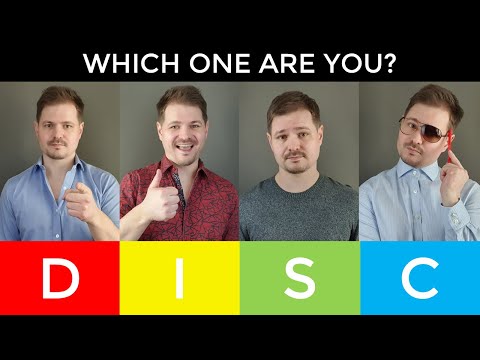
The DISC Personality Profile is a tool that many people use to better understand themselves and others. It breaks down human behavior into four primary traits: Dominance, Influence, Steadiness, and Conscientiousness. You with me? Each of these traits helps us figure out how we respond to various situations.
Dominance is all about how assertive or competitive you are. Think of someone in a game who wants to win and will push others aside to get there. These folks are often direct and decisive.
Influence, on the other hand, deals with how we interact with others. If you’re the person who lights up a room at a party or easily makes friends online, that’s your Influence trait kicking in. It’s all about charisma and enthusiasm!
Then there’s Steadiness. This trait reflects your patience and willingness to listen. Imagine being the calm person in a chaotic situation; you keep everyone grounded and collected.
Lastly, we have Conscientiousness. This one relates to your level of organization and detail orientation. You know those people who make lists for everything? Yep, that’s them! They thrive on structure and analysis.
Now here’s where it gets interesting: the combination of these traits creates unique personality types! For example:
- A person high in Dominance but low in Influence might be aggressive yet not very social.
- Someone with strong Steadiness paired with high Influence could be the ultimate team player—friendly and dependable.
- A Conscientious person can sometimes come across as cold if they’re low on Influence.
Understanding your own DISC profile can be super helpful, whether it’s for personal growth or team dynamics. I remember when I filled out my DISC assessment—I discovered I leaned heavily towards the Influential side. Realizing this made me appreciate how I approach relationships both personally and at work.
And just a heads-up: while this tool is insightful, it doesn’t replace professional help if you’re dealing with more serious issues like anxiety or depression. It’s more like learning about yourself through a fun lens rather than digging deep into complex mental health topics.
So if you’re curious about diving even deeper into personality types or want some resources like downloadable PDFs that break it all down further—there are plenty out there! Just keep in mind that these tools are meant for guidance, not definitive labels.
In essence, the DISC Personality Profile provides an engaging way to explore what makes you tick—and helps improve communication between individuals by recognizing different approaches to life’s challenges! Understanding ourselves helps us relate better to others; doesn’t it?
Understanding the DISC Personality Test: A Comprehensive Guide to Behavioral Assessment
So, let’s chat about the DISC Personality Test. It’s one of those tools that can help you figure out how people tick. It doesn’t claim to have all the answers, but it sure gives some pretty interesting insights into our behaviors and how we relate to others.
What is the DISC Test?
At its core, the DISC test categorizes behavior into four main types: Dominance, Influence, Steadiness, and Conscientiousness. Each type shows different traits and preferences in how we interact with the world.
- Dominance (D): If you have a strong D in your profile, you’re likely assertive and driven. Picture a captain steering a ship through stormy seas—bold decisions are your thing.
- Influence (I): Those who score high here are often social butterflies, good at persuading others. Think of them as the friendly character in a game who rallies everyone together.
- Steadiness (S): If this resonates with you, you’re probably calm and patient. You might be the kind of player who builds strong alliances in games—trustworthy and supportive.
- Conscientiousness (C): High C’s tend to be analytical and detail-oriented. You’re like that meticulous gamer who plans every move carefully before making it.
The cool thing about DISC is that it isn’t about labeling someone as “good” or “bad.” It’s more like saying «Oh hey! This is how I see things!” Everyone has a little bit of each type within them, just at different levels.
Why Use DISC?
You might be wondering why this matters for you personally or professionally. Well, taking a look at your own behavior helps improve communication with others. When you understand your style—and theirs—it opens up new avenues for teamwork.
For example, say you’re working on a group project. If you know one team member thrives on structure (hello C type) while another loves brainstorming wild ideas (that’d be your I type), you can find ways to engage both perspectives effectively!
Anecdote Time!
I remember when I took the DISC test with some friends just for fun—instead of analysis paralysis over our distinct personalities; we shared laughs about our traits! One friend scored super high in Dominance—no surprise there; she always took charge during our board game nights! Knowing this made me better appreciate her drive to lead while also reminding myself not to take it personally if she was assertive about strategy.
The Limitations
Now hold on—here’s where it gets real: DISC isn’t perfect! It won’t solve life’s problems or replace professional guidance if you’re grappling with serious issues; think of it as an insightful chat over coffee rather than therapy.
Also remember that people’s behaviors can change depending on their environment or mood! One day you might feel more influenced while another day you’ll lean into your conscientious side more strongly.
In short? Embrace what DISC brings to the table but don’t hang everything on it without considering other factors too!
Overall, using the DIS test is about learning where you fit among different personality types and embracing those differences without judgment. Once you do that? You might find yourself connecting better with others—and let’s be honest—that’s something we all could use more of these days!
Understanding the 16 DISC Personality Types: A Comprehensive Guide
The DISC personality model is like a map for understanding different behaviors and preferences. Imagine it as a game where everybody has their unique character traits, but instead of picking your hero, you discover which personality type you align with the most. There are four main categories—let’s break them down a bit.
D Types (Dominance): These folks are results-driven. They’re often seen as strong and assertive. Picture someone leading a team in a project without breaking a sweat. D types love challenges and can get impatient with details. You might think of a bold leader in an action-packed video game—charging ahead while others strategize behind.
I Types (Influence): If you know someone who lights up every room they walk into, that’s probably an I type! They thrive on social interactions and love persuading others. Think of the life-of-the-party character who always gets everyone engaged in the latest multiplayer online game. They’re all about relationships, enthusiasm, and positivity!
S Types (Steadiness): These people are your rock stars—stable, patient, and great listeners. S types prefer harmony and consistency in their surroundings. Imagine that friend who never gets flustered during game night; they keep everything calm even when the stakes get high! They’re supportive teammates who value loyalty.
C Types (Conscientiousness): The detail-oriented analyzers! C types are meticulous about facts and can spot mistakes like an eagle eyeing its prey from above. Think of them as the strategist in board games—always calculating their next move and making sure everything adds up perfectly before charging ahead.
Now let’s get into how these types interact:
- D vs I: The D type might see the I type as overly emotional while the I could view D as too blunt.
- I vs S: I types want to brainstorm ideas while S may prefer to focus on how those ideas affect people.
- S vs C: An S type values feelings while C prioritizes logic; this can create friction when decisions need to be made.
- C vs D: The C type’s need for careful analysis can clash with the D’s fast-paced approach.
Understanding these interactions is key because it helps us navigate our relationships better—whether it’s with friends or coworkers.
If you notice some overlap between these traits in yourself? That’s totally normal! Many people don’t fit perfectly into just one category; it’s more of a spectrum where you might lean towards one or two styles stronger than others.
It’s essential to understand that knowing your DISC type—or someone else’s—isn’t about putting labels on people or limiting them; it’s about enhancing communication and teamwork. Just imagine working on a group project where everyone understands each other’s strengths! It’s kind of like finding that perfect team balance in your favorite online game where everyone plays their role flawlessly.
Remember, though: this isn’t therapy or professional advice! It’s merely an insightful tool we can use to understand ourselves and each other better. So next time you’re thinking about why someone reacts differently than you’d expect, consider pulling out this handy DISC model—it might just open up new ways to connect!
In essence, taking time to explore personalities is like leveling up your own empathy skills—and seriously, who doesn’t want that?
You know, personality assessments can be super intriguing. They help you figure out why you click with some people and clash with others. One popular one is the DISC personality profile, which breaks down personalities into four main categories: Dominance, Influence, Steadiness, and Conscientiousness.
I remember when I first learned about it. A friend of mine was really into this stuff and convinced me to take the DISC assessment together. So there we were, sipping coffee and answering questions about how we handle stress or what motivates us. When we got our results back, I was honestly blown away! Mine showed that I’m more of an Influencer – all about connection and communication – while my friend was a Dominant type, loving challenges and new experiences. It made so much sense!
The cool thing about the DISC model is how it helps in understanding not just ourselves but also those around us. Let’s say you’re working on a team project; knowing who thrives on tasks (the D types), who brings energy and ideas (the I types), who keeps things steady (the S types), or who’s detail-oriented (the C types) can totally change how the group vibes. You see?
But here’s the kicker: while these descriptions are helpful, they’re not boxes you should shove people into. Just because someone tests as a C doesn’t mean they’ll never show any traits from the other groups! Personalities are complex like that; life experiences shape who we are too.
So when you’re using this tool, think of it like a lens rather than a label. Be open to nuances in people’s behaviors. After all, we’re all more than just four letters; we’re human beings with rich stories and feelings!
In the end, using the DISC profile effectively really comes down to embracing its insights while keeping that human element alive. It’s about fostering understanding where differences might lead to tension – or unexpected collaboration! What do you think?