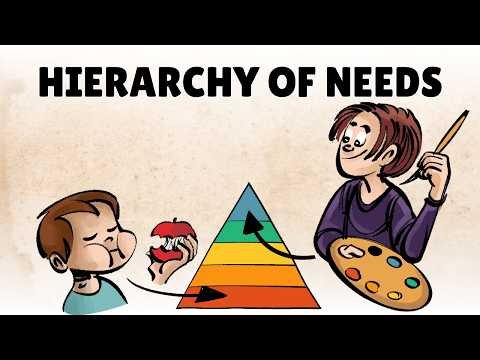
So, have you ever felt like you’re just chasing something but can’t quite put your finger on what it is? Yeah, I’ve been there too!
Este blog ofrece contenido únicamente con fines informativos, educativos y de reflexión. La información publicada no constituye consejo médico, psicológico ni psiquiátrico, y no sustituye la evaluación, el diagnóstico, el tratamiento ni la orientación individual de un profesional debidamente acreditado. Si crees que puedes estar atravesando un problema psicológico o de salud, consulta cuanto antes con un profesional certificado antes de tomar cualquier decisión importante sobre tu bienestar. No te automediques ni inicies, suspendas o modifiques medicamentos, terapias o tratamientos por tu cuenta. Aunque intentamos que la información sea útil y precisa, no garantizamos que esté completa, actualizada o que sea adecuada. El uso de este contenido es bajo tu propia responsabilidad y su lectura no crea una relación profesional, clínica ni terapéutica con el autor o con este sitio web.
That’s where Abraham Maslow comes in. He had this idea about motivation that just clicks. It’s like a light bulb moment when you realize why you want what you want.
Picture a big stairway with different levels—each one representing a need we all have. It’s kinda neat, right?
You start with the basics, and then keep climbing toward something greater. Let me break it down for you!
Understanding the Top 3 Basic Needs: A Psychological Perspective on Human Motivation
Ever wonder what really drives us as humans? Like, why do we do the things we do? Well, there’s this classic theory by Abraham Maslow that paints a pretty clear picture. He laid out a hierarchy of needs, sort of like stepping stones that help us figure out our motivations in life. At the base of this pyramid are three fundamental needs: physiological needs, safety needs, and social needs. Let’s break these down a bit!
- Physiological Needs: These are all about survival. You know, things like food, water, shelter, and warmth. Imagine you’re playing your favorite survival game where you need to gather resources to stay alive. If you don’t have enough food or water in-game, it’s game over! In real life, these basic needs must be met before you can focus on anything else.
- Safety Needs: Once your physiological needs are ticked off the list, you start looking for safety—both physical and emotional. Think about having a safe place to live or a steady income. It’s similar to finding a secure base in games where you know you’re safe from enemies or dangers. You want to feel like you’ve got stability in your life before taking risks or pursuing bigger dreams.
- Social Needs: This is where we dive into connection and love. Seriously, no one likes feeling lonely! We want friendships, relationships, and belongingness. It’s kinda like being part of a team in multiplayer games; when everyone works together and supports each other, it makes the experience way more enjoyable! When these social connections are strong, it boosts your mood and makes everything else easier.
The thing is, once all these basic needs are satisfied, you’re free to aim higher—like seeking esteem or self-actualization. But if any of those foundational pieces are missing? Well, that’s when things get tricky! You might find yourself feeling anxious or unmotivated.
A little story for you: I once knew someone who was super talented but kept hitting roadblocks with their art because they were living paycheck-to-paycheck without proper food security. Despite their amazing skills; all they could think about was how they’d eat next week instead of creating their best work.
This shows just how essential those basic needs really are! It’s not just some fancy theory; it’s about our daily lives—how we function when things are balanced versus when they’re not.
So yeah—even though Maslow’s theory simplifies motivation into these three categories—it doesn’t replace professional help when needed! If you’re struggling with any of these areas in life—whether it’s stress from safety concerns or loneliness—reaching out for support can make all the difference.
All in all, understanding these basic human motivations can really help us navigate through life’s challenges better and hopefully lead us toward more fulfilling experiences!
Understanding Abraham Maslow’s Insights on Motivation
You know, when we talk about motivation, you can’t skip Abraham Maslow. He’s the guy who gave us a cool way to look at human needs—like building blocks from the ground up. This whole concept is known as the **Hierarchy of Needs**, and it’s still super influential today.
So, Maslow tossed together this pyramid with five levels. The idea is that you need to satisfy lower-level needs before moving up to higher ones. Let me break it down for you:
- Physiological Needs: These are your basics—food, water, shelter. Think of it as your character’s health bar in a video game; if it’s not full, you can’t do much else.
- Safety Needs: Once you have food and shelter, you want security—like feeling safe in your home or having job stability. It’s kind of like upgrading your armor in a game; without a solid defense, you’re vulnerable.
- Love and Belongingness Needs: After ensuring safety, we crave social connections—friends, family; kinda like forming a party in an RPG where teamwork matters!
- Esteem Needs: This level is about feeling valued and respected. You know how getting achievements in games feels great? Well, that sense of accomplishment is what we crave here.
- Self-Actualization Needs: Finally, this is where you reach for personal growth and fulfillment. Think of it as leveling up to become the ultimate version of yourself—a total game-changer!
Now let’s get into why this matters more than just theory! Each level has to be somewhat satisfied before the next one kicks in smoothly. So picture someone whose basic needs (food, shelter) are unmet. They’re likely not thinking about self-improvement or creating art; they’re just trying to survive!
One time I met this artist who wanted so badly to express her creativity but was always stressed about paying rent. She told me she felt stuck because she couldn’t focus on her art when her basic needs were all over the place! It was like trying to play a game when your controller had dead batteries—frustrating!
Maslow showed us that motivation isn’t simply about pushing through tough times but understanding what drives us at every level. So if you’re feeling unmotivated or blocked creatively? Take a moment to check if your basic needs are met first—maybe you’re just running on empty!
In the end, Maslow’s insights shape how we understand ourselves and others’ motivations. They remind us that being human involves complex layers—it ain’t always straightforward! And hey, if you’re feeling overwhelmed or constantly stuck at any level? It could be helpful to talk with someone who can help sort things out; don’t hesitate on that front.
Just remember: while Maslow provided valuable insights into motivation and needs satisfaction—they’re not an all-encompassing answer for everyone. We all have unique experiences that inform our paths!
Downloadable PDF Guide to Maslow’s Theory of Motivation: Key Concepts and Applications
Maslow’s Theory of Motivation is super interesting and really helps you understand what drives human behavior. So, Abraham Maslow, a psychologist from the mid-20th century, created this ladder-like model called the *Hierarchy of Needs*. Think of it like climbing a mountain where you can’t reach the peak until you’ve conquered each level below it.
At the base of this hierarchy are physiological needs. These are the essentials for survival—like food, water, and sleep. Without these, focusing on anything else is nearly impossible. Imagine trying to enjoy a game when you’re starving!
Next up are safety needs. This isn’t just about physical safety; it’s also about stability in your life. You need to feel secure in your environment and relationships. For instance, you wouldn’t want to play an adventure game where your character is always at risk of being taken out by a villain. That would make it hard to enjoy the quest!
The third layer involves social needs, which is all about relationships and feeling loved. It’s that warm fuzzy feeling when you’re hanging with friends or family. Think of multiplayer games where teamwork and camaraderie come into play; that social connection is essential.
Then we climb to esteem needs. Here’s where self-esteem and respect from others come in. You know that rush when you’ve completed a tough level? That’s not just satisfaction; it boosts your self-worth too! You feel accomplished, right?
Finally, there’s self-actualization, which is the pinnacle of Maslow’s pyramid. This level is about becoming everything you’re capable of being—your true potential. Maybe that’s creating art or leading a project at work. In gaming terms, think about completing every quest or reaching max level; it brings a sense of fulfillment.
To give you a quick breakdown:
- Physiological Needs: Food, water, shelter.
- Safety Needs: Security and stability.
- Social Needs: Relationships and belonging.
- Esteem Needs: Self-respect and recognition.
- Self-Actualization: Achieving personal potential.
What’s cool about Maslow’s theory is how it can be applied in different areas like education or workplace psychology. Understanding these needs helps teachers motivate students better or allows managers to create an inspiring work environment.
Remember: while exploring Maslow’s framework can provide insight into motivation and behavior, it’s not a substitute for professional therapy or help if you’re struggling with deeper issues.
So next time you feel stuck in life or your goals seem out of reach, consider where you might be on that pyramid! Reassessing your needs could help you find clarity on what steps to take next.
So, let’s chat about Abraham Maslow’s Theory of Motivation. You know, the one with the famous pyramid? It’s a classic in psychology, and honestly, it kinda gives you a simple way to think about what drives us.
Maslow put together this idea in the 1940s and 50s. Oh, and by the way, his pyramid has five levels. At the bottom are physiological needs—things like food, water, and shelter. Makes sense, right? If you’re starving or freezing outside, you’re not going to be thinking about your dreams or self-actualization.
Now, I remember back in high school; I was stressing out over grades because I wanted to get into college. When I look back at that time, it really hit me that I had those basic needs covered! But my focus was on fulfilling my safety needs—like having a roof over my head and some kind of stability. That need for security can really shape your actions.
As we move up the pyramid, then comes love and belongingness. This is where friendships and connections come into play. I mean, who doesn’t want to feel loved? I remember feeling kinda lonely when my best friend moved away; it definitely shook me up a bit. That need for connection was real!
Next up is esteem needs—this is all about feeling valued and respected. Ever felt that rush when you get praise for something you did well? Yeah! It feels good! And Maslow pointed out how important it is for our self-esteem to be validated by others.
Finally, at the top of Maslow’s pyramid sits self-actualization—the idea of reaching your full potential and becoming everything you can be! It’s like those stories of people who go through ups and downs but finally find their calling or passion in life. But here’s the thing: not everyone gets to that stage easily. Life’s messy!
All in all, Maslow’s theory gives us a roadmap for understanding our motivations—you know what? It’s like a little cheat sheet for life’s priorities! The thing is though; we might not climb that pyramid smoothly; sometimes we might have to go back down when things shake us up.
So next time you’re feeling off or unmotivated, think about where you might be on Maslow’s pyramid. Maybe you’re just missing some love from friends or need a little boost in your self-esteem? Seriously—life can get complicated but knowing what drives us can help bring clarity!


