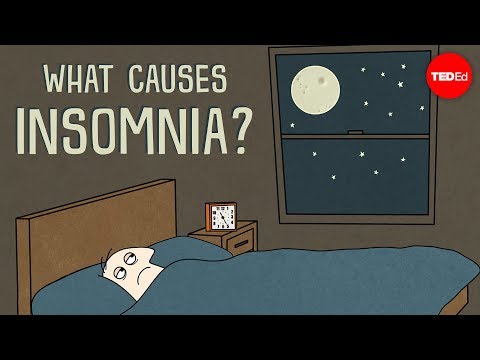
You know those nights when you just can’t seem to drift off? Yeah, I’ve been there. Tossing and turning, staring at the ceiling like it holds all the answers.
Este blog ofrece contenido únicamente con fines informativos, educativos y de reflexión. La información publicada no constituye consejo médico, psicológico ni psiquiátrico, y no sustituye la evaluación, el diagnóstico, el tratamiento ni la orientación individual de un profesional debidamente acreditado. Si crees que puedes estar atravesando un problema psicológico o de salud, consulta cuanto antes con un profesional certificado antes de tomar cualquier decisión importante sobre tu bienestar. No te automediques ni inicies, suspendas o modifiques medicamentos, terapias o tratamientos por tu cuenta. Aunque intentamos que la información sea útil y precisa, no garantizamos que esté completa, actualizada o que sea adecuada. El uso de este contenido es bajo tu propia responsabilidad y su lectura no crea una relación profesional, clínica ni terapéutica con el autor o con este sitio web.
It’s frustrating, right? You think about everything: tomorrow’s plans, that embarrassing thing from last week, or maybe even what’s for breakfast. I mean, it’s like your brain decides to throw a totally uninvited party!
So let’s chat about why sleep can feel like a struggle sometimes. And hey, no judgment here—we all have those nights. Plus, I’ve got some ideas that might help you catch some Z’s! Sound good?
Understanding Sleepless Nights: Common Causes and Effective Solutions
Struggling with sleepless nights can be so frustrating. You might toss and turn, staring at the ceiling, while your mind goes a million miles an hour. Sound familiar? Let’s take a look at some common reasons that might keep you up at night and explore ways to find some relief.
One of the biggest culprits for sleepless nights is stress and anxiety. When your mind is racing with thoughts about work deadlines or personal issues, it can be tough to relax. Imagine you’re playing a game where you have to make quick decisions constantly; it’s exhausting! You could try out some relaxation techniques, like deep breathing or meditation, to help calm those racing thoughts.
Then there’s poor sleep habits. Maybe you’re binge-watching your favorite TV series, scrolling through social media, or drinking caffeine way too late in the day. And here’s the tricky part: screens emit blue light that messes with your melatonin production – that’s the hormone responsible for sleep! To combat this, why not set a “screen curfew” at least an hour before bed? Your future self will thank you.
Another factor to consider is your environment. Is your bedroom too noisy or bright? Or maybe it’s just uncomfortable? Think of it like playing a video game with distracting sounds or an awkward controller – it takes you out of the zone. Aim for a cool, dark room. Blackout curtains can work wonders!
Sometimes there’s also an underlying medical condition that might be interfering with your sleep. Things like asthma, allergies, or restless leg syndrome are pretty sneaky when they come to keeping you awake. If you suspect something like this could be happening, talking to a professional about it is crucial.
Now let’s talk about solutions! Here are some ideas:
- Create a bedtime routine: Try winding down each night at the same time. Maybe read a book or enjoy a warm cup of herbal tea.
- Limit caffeine intake: Cut back on caffeine after lunchtime. Swap that afternoon coffee for herbal tea!
- Exercise regularly: Engaging in physical activity during the day can help tire you out by bedtime.
- Avoid heavy meals before bed: Eating too close to bedtime can lead to uncomfortable digestion.
- Get exposure to natural light during the day: It helps regulate your circadian rhythm and makes it easier to sleep at night.
Ultimately, we all have those rough nights where sleep just seems elusive. But if sleeplessness becomes frequent and starts affecting daily life seriously? That’s when reaching out for professional help becomes super important.
So yeah, take some of these ideas and give them a shot! You might just find that sweet slumber again without much hassle. Sleep well!
Understanding the 10-5-3-2-1 Rule for Sleep: A Practical Guide to Better Rest
So, you’re tossing and turning at night? Maybe you’ve heard about the 10-5-3-2-1 Rule for sleep, which is like a little cheat code for better rest. Let’s break it down and see how it works!
The 10-5-3-2-1 Rule gives you guidelines on how to prep your body for sleep throughout the day. Here’s how it shakes out:
- 10 hours before bed: Stop consuming caffeine. Seriously, if you’re guzzling coffee or energy drinks late in the day, you’ve got to cut back!
- 5 hours before bed: No more alcohol. I mean, it might feel like a nice way to wind down, but trust me, it messes with your sleep cycle.
- 3 hours before bed: Say goodbye to heavy meals! Eating right before bed can lead to uncomfortable sleep — think of it like trying to play a game with a cranky controller that just won’t cooperate.
- 2 hours before bed: Avoid screen time! That means no scrolling through social media or watching TV. The blue light keeps your brain buzzing instead of winding down.
- 1 hour before bed: Chill out and get into relaxation mode! Read a book or listen to some calming music—anything that helps transition your mind away from the day.
This rule isn’t just random advice; it’s built on understanding how our bodies work. You know how sometimes when you’re super excited about something, like an upcoming game night? Your brain gets all hyped up and forgets to settle down. The same thing happens with screens and caffeine — they keep your brain active when you’d rather be sleeping!
You might be wondering why this matters so much. When you follow these guidelines, you’re easing your body into a more restful state. Just think about those nights where you fell asleep easily; chances are you weren’t bouncing off the walls right before hitting the pillow!
If following this rule feels challenging—don’t sweat it; everyone has off days! It’s all about finding what works for you while respecting your body’s needs. Just remember that while tips like these can help improve sleep quality, they don’t replace professional help if you’re dealing with serious sleep issues.
So there you have it: A simple but effective strategy for improving your snooze time! If you’ve been struggling with sleep lately, give the 10-5-3-2-1 Rule a shot and see if you notice a difference in how well you rest at night.
Exploring the Link Between SIBO and Sleep Problems: Causes and Solutions
You know, sleep problems can really mess with your day, huh? And if you’re struggling to catch those zzz’s at night, it could be linked to something called SIBO. What’s SIBO, you ask? Well, it’s short for Small Intestinal Bacterial Overgrowth. Basically, that means there’s too much bacteria in your small intestine. This can cause a range of issues that might just be keeping you up at night.
Now, let’s talk about how exactly SIBO affects your sleep. When your gut isn’t happy, it can lead to all sorts of discomfort—think bloating, gas, or even diarrhea. And guess what happens when you’re feeling like that? It’s tough to relax and drift off to sleep! You might find yourself tossing and turning instead.
Here are a few ways SIBO might be messing with your sleep:
- Digestive Discomfort: As mentioned, that bloating or cramping can keep you awake.
- Hormonal Imbalances: The gut microbiome plays a role in producing hormones like serotonin and melatonin—key players in regulating sleep.
- Stress and Anxiety: Dealing with health issues can ramp up stress levels, which often leads to sleepless nights.
Let’s dig a bit deeper into two major points: hormones and stress. Okay?
So first up is the hormonal connection. If you have SIBO, it may affect the production of serotonin—a hormone that’s important for mood regulation and also helps regulate sleep cycles. Less serotonin means less melatonin (the hormone that helps you fall asleep). It’s like trying to play a game where half the characters are missing; things just don’t work right!
Then there’s stress. When your gut is off-kilter, it’s natural to feel anxious about your health or how you’ll function the next day—all of this can create an endless loop of worry that keeps your mind racing at night.
Alrighty! Now let’s move on to some ideas for tackling this issue head-on:
- Diet Adjustments: Focus on reducing sugar and simple carbs; they can feed the bad bacteria.
- Probiotics: Introducing good bacteria into your system might help balance things out.
- Pace Yourself: Stress management techniques like mindfulness or yoga may help ease anxiety about sleep.
Of course, if you’re experiencing serious issues or symptoms persistently affecting your life—seriously—don’t hesitate to reach out for professional help. A doctor or specialist knows best how to sort through these complex connections between SIBO and sleep problems.
In wrapping this up (not too long now!), remember: taking care of your gut might just help improve those sleepless nights! Feeling better overall could lead directly to better rest. Like leveling up in a game where each win brings you closer to mastering the ultimate quest—good sleep! So prioritize what makes you feel good because we all deserve sweet dreams after a long day!
So, you know those nights when you just can’t seem to drift off? You stare at the ceiling, counting sheep, but your brain is like, “Nah, not tonight!” It can be super frustrating. I mean, we’ve all been there. I remember this one time—after a long day at work, I hit the pillow and my mind started racing about everything: deadlines, that awkward conversation with a friend… even what I wanted for breakfast! Crazy how the mind works when it should be winding down.
There are actually several reasons why sleep can feel so elusive. Stress is a biggie. If you’re constantly worrying about life’s little challenges (or big ones), it’s tough to relax. And then there’s technology! Scrolling through social media before bed might seem harmless but that blue light from screens messes with your melatonin production. That’s the hormone that helps regulate sleep by telling your body when it’s time to snooze.
And let’s not forget about our habits! Maybe you’re having coffee too late or binge-watching just one more episode of that show. You know what happens next—whoops! It’s 2 AM and you realize you have to get up for work in four hours. You might also struggle because of things like your environment—loud neighbors or too much light in your room can totally throw off your vibe.
But wait, there are some solutions out there that could help! Creating a bedtime routine gives your body cues to slow things down. Maybe try reading a book instead of jumping into Netflix right before bed? Also, consider setting limits on screen time an hour before snoozing; this allows for better melatonin levels and also reduces stress from endless notifications!
You might wanna think about making your sleeping space more cozy—soft blankets, dark curtains… Whatever makes you feel at home is key. And if you’ve got worries swimming around in your head? Jotting them down can help clear your mind; it’s like giving yourself permission to deal with them tomorrow.
In the end, we all deserve a good night’s sleep. So if you’re tossing and turning again tonight, take a deep breath and remember: You’re not alone in this struggle! Be patient with yourself while exploring what works best for you; after all, we’re all just trying to find our way back into dreamland together!


