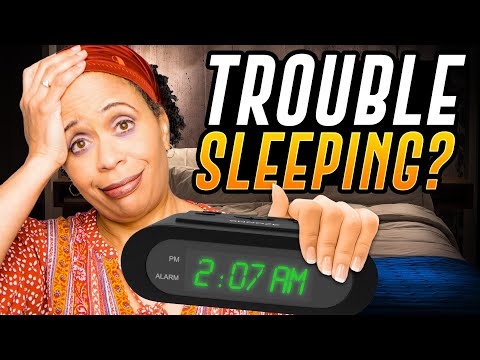
So, let’s talk about sleepless nights. You know those times when you’re just lying there, staring at the ceiling? Yeah, it sucks, right?
Este blog ofrece contenido únicamente con fines informativos, educativos y de reflexión. La información publicada no constituye consejo médico, psicológico ni psiquiátrico, y no sustituye la evaluación, el diagnóstico, el tratamiento ni la orientación individual de un profesional debidamente acreditado. Si crees que puedes estar atravesando un problema psicológico o de salud, consulta cuanto antes con un profesional certificado antes de tomar cualquier decisión importante sobre tu bienestar. No te automediques ni inicies, suspendas o modifiques medicamentos, terapias o tratamientos por tu cuenta. Aunque intentamos que la información sea útil y precisa, no garantizamos que esté completa, actualizada o que sea adecuada. El uso de este contenido es bajo tu propia responsabilidad y su lectura no crea una relación profesional, clínica ni terapéutica con el autor o con este sitio web.
I mean, we all have those moments. You’re exhausted during the day but somehow wide awake at 2 a.m. It’s like some kind of cruel joke.
Honestly, sleep can be so elusive! And believe me, you’re not alone in this struggle.
There’s a bunch of reasons why your brain decides to throw an all-night party instead of letting you snooze peacefully.
Curious? Good! Let’s break down some of the common reasons for those pesky sleepless nights together.
The Main Causes of Insomnia: Understanding the Psychological Factors Behind Nighttime Wakefulness
Insomnia can be a real nightmare, right? When you toss and turn, staring at the ceiling while the clock ticks away, it’s frustrating and exhausting. So what’s going on in our heads that keeps us up? Let’s break it down.
First off, **stress** is a big culprit. You know those times when you’ve got a million thoughts racing through your mind? Like when you’re worried about work deadlines or personal issues? Stress activates your body’s “fight or flight” response—your heart races, and sleep seems far away.
Then there’s **anxiety**, which goes hand in hand with stress but is often more pervasive. It’s that nagging worry that won’t quit! Imagine playing a game where you can’t stop thinking about all the levels you haven’t completed. That constant mental chatter can keep you up at night.
**Depression** is another heavy hitter when it comes to sleeplessness. If you’re feeling low or hopeless, it can disrupt your sleep cycles. Some folks might sleep all day but still feel tired at night or have trouble shutting their minds off completely.
Let’s not forget **poor sleep habits**! Ever binge-watched a show late into the night or scrolled through your phone until your eyes hurt? Yeah, those blue lights are sneaky little guys, messing with your body’s ability to produce melatonin—the hormone that helps regulate sleep.
And guess what? **Substance use** like caffeine and alcohol can mess with your sleep too. You might think having a glass of wine will help you wind down, but too much alcohol can disrupt REM sleep—making that restful slumber feel out of reach.
- Stress: Work deadlines keep you awake.
- Anxiety: Constant worry like leveling up in a game.
- Depression: Feeling low impacts your sleep cycle.
- Poor sleep habits: Late-night screen time sabotages rest.
- Substance use: Caffeine and alcohol affect quality of shut-eye.
Lastly, let’s talk about **medical conditions** and medications. Sometimes insomnia isn’t just about what’s happening in our minds; physical health matters too! Conditions like chronic pain or even some medications can interfere with how well we sleep.
All in all, while these psychological factors play a huge role in insomnia, it’s really important to remember that everyone’s experience is unique. What works for one person may not work for another. If sleepless nights are becoming a regular thing for you, talking to a healthcare professional could provide valuable guidance tailored to what you’re going through!
Sleep tight (or hopefully soon)!
Top 10 Causes of Sleep Difficulties: Understanding the Psychological Factors Behind Insomnia
Sleep is one of those things we all need, yet it can sometimes feel like a distant dream—pun intended! If you’ve ever tossed and turned, staring at the ceiling while the clock ticks away, you’re definitely not alone. Insomnia can be tricky, and its roots often dip into our psychological state. So, let’s break down some of the major causes behind those sleepless nights:
- Anxiety: When your mind is racing with worries or stressors, it can make falling asleep feel impossible. Ever found yourself giving an entire mental presentation to a mirror? Yeah, that kind of thinking can keep you wide awake.
- Depression: Feeling down or hopeless can also throw your sleep schedule out of whack. You might find yourself sleeping too much or hardly at all. It’s like your brain gets tired of the feelings but doesn’t know how to switch off.
- Stress: Life can throw some serious curveballs—like deadlines or relationship issues—and when that happens, sleep tends to take a backseat. It’s hard to relax when your brain’s running a marathon!
- Poor Sleep Hygiene: Sometimes it’s about your habits! If you’re scrolling on your phone late at night or binge-watching shows with wild suspenseful twists (I see you!), it can mess with your sleep cycle.
- Caffeine and Alcohol: You might think that evening coffee gives you energy for the night ahead, but it actually keeps your body wired longer than you’d expect. Similarly, while alcohol may make you feel sleepy initially, it disrupts deeper stages of sleep later on.
- Medications: Some prescriptions come with side effects that interfere with our ability to catch good Zs. If you’re taking something and noticing sleep issues, definitely talk to a doctor about possible alternatives.
- Chronic Pain or Illness: Health problems like arthritis or migraines don’t just cause pain during the day—they can keep you tossing and turning at night too!
- Troubling Thoughts from Past Experiences: Previous traumatic events could haunt your nights. Flashbacks or anxiety related to past incidents might lead to waking up in cold sweats.
- Your Environment: Is your bedroom peaceful? Sometimes a cluttered room or noisy neighbors play tricks on your ability to relax when the lights go out.
- Circadian Rhythm Disruption: Your body has a natural clock that regulates when you feel sleepy and awake. Shift work or constant travel across time zones can mess this rhythm up big time!
Remember that everyone experiences sleeplessness now and then. But if it’s becoming a regular thing for you, maybe it’s time to chat with someone who knows their stuff—a professional! The right help can make all the difference in restoring those sweet dreams.
Just try not to let these challenges get you down; sometimes just being aware of what might be causing them can be half the battle won!
Understanding the Factors That Prevent a Full Night’s Sleep: Common Causes and Psychological Insights
Sleep. We all need it, but sometimes it feels like a bit of a battle, doesn’t it? There are those nights when you just can’t seem to find your way to dreamland. If you’re wondering what’s going on, let’s take a closer look at some common reasons that might be keeping you up at night and sprinkle in a few psychological insights.
Stress and Anxiety
Ever lay in bed, staring at the ceiling, with your mind racing about tomorrow? Stress can be a major sleep thief. When you’re anxious, your body produces stress hormones like cortisol that make it harder to relax. Imagine trying to play your favorite game while constantly getting interrupted by notifications—that’s kind of what stress does to your brain when you’re trying to sleep.
Unhealthy Sleep Environment
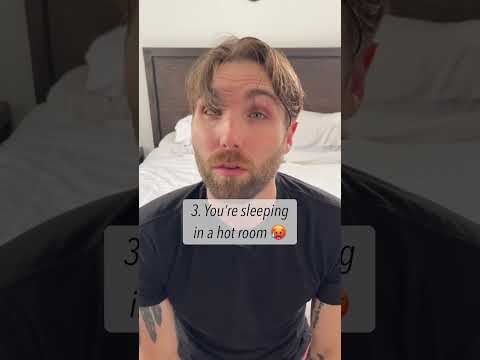
What about the place where you sleep? If your bedroom is too noisy, too bright, or even too hot or cold, it can mess up your snooze time. Think of it like trying to enjoy a movie in a crowded theater—annoying, right? A comfy bed and the right temperature can make all the difference!
Screen Time Before Bed
Let’s talk screens. You know how sometimes scrolling through social media seems harmless before hitting the hay? Well, that blue light emitted from screens can trick your brain into thinking it’s still daytime. Your body needs darkness to produce melatonin, which is basically nature’s way of telling you it’s time for bed.
- The bright light from phones and computers affects melatonin production.
- Consider reading a book instead before sleeping—no blue light!
- You could even think of creating a calming nighttime routine instead.
Caffeine and Diet
Now, don’t get me wrong—I love coffee as much as anyone else! But having caffeine too close to bedtime might just keep you buzzing when you need to be winding down. Your diet can affect sleep quality too; heavy meals or spicy food may lead to discomfort that keeps your eyes wide open.
Physical Health Issues
Sometimes there are underlying health problems at play. Conditions like sleep apnea can cause interruptions in breathing during sleep. That’s like trying to win a race while someone keeps pulling the finish line further away! If you suspect something’s off physically, definitely reach out for help.
Mental Health Conditions
Mental health plays an enormous role in sleep patterns. Depression or bipolar disorder may disrupt regular sleeping schedules—leading you both into troubled waters on good days and bad ones alike. It helps if you’re aware of how these conditions interact with your rest patterns.
In the end, if nights turn into endless watching-the-clock marathons rather than restful slumber fests, reaching out for professional support might be key—you know? They can provide strategies tailored specifically for what you’re going through.
Remember that everyone has sleepless nights now and then; it doesn’t mean there’s something wrong with you! Just understanding these factors might already feel like taking strides toward better rest. So take care of yourself out there—your dreams are important!
So, let’s talk about that familiar struggle – lying in bed, staring at the ceiling while your mind just won’t shut up. You know what I mean? It’s one of those things that many of us can relate to. There could be a ton of reasons you’ve found yourself counting sheep and never actually reaching dreamland.
Picture this: you had a super busy day and finally hit the bed, thinking you’ll drift off immediately. But then, bam! Your thoughts are running wild. “Did I send that email?” or “What am I going to wear tomorrow?” It’s amazing how our brains just seem to go into overdrive when they should be winding down. This kind of mental chatter is so common; it’s like your brain can’t help but become the night owl it never knew it was.
Another reason could be stress or anxiety. Maybe you’ve got a big presentation coming up, or life feels like it’s throwing curveballs left and right. Stress is like that annoying friend who crashes the party without an invite – it shows up unannounced and takes over everything! In those moments, anxiety turns into a loop of “what ifs” that keeps you wide awake long after everyone else has dozed off.
Then there’s lifestyle stuff – hello caffeine! A little too much coffee during the day can backfire big time at night. Or maybe you’re scrolling through social media or binge-watching some show until the wee hours? Screens emit blue light which messes with your body’s melatonin production. So, essentially you’re telling your brain, “Hey, it’s party time!” instead of signaling bedtime.
And let’s not forget physical discomfort either! Maybe you’re too hot or cold, or your mattress is more lumpy than comfy. All these little factors add up to create an environment that screams “stay awake!” instead of «rest easy.»
So if you’ve experienced insomnia or restless nights lately, know you’re not alone in this sleepless club. It happens to everyone at some point; we’re all just trying to find that sweet spot between day and night where we can finally relax and drift into dreamland. Just remember: if sleeplessness becomes a regular guest in your life, it might be worth checking out those habits or even chatting with someone about it!