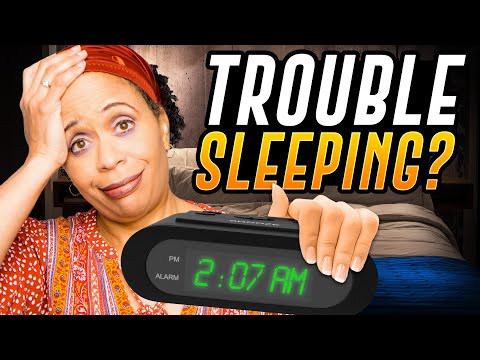
Hey there! So, let’s chat about something we all deal with at some point – sleepless nights. You know, that moment when your head hits the pillow, and instead of drifting off into dreamland, you just stare at the ceiling?
Este blog ofrece contenido únicamente con fines informativos, educativos y de reflexión. La información publicada no constituye consejo médico, psicológico ni psiquiátrico, y no sustituye la evaluación, el diagnóstico, el tratamiento ni la orientación individual de un profesional debidamente acreditado. Si crees que puedes estar atravesando un problema psicológico o de salud, consulta cuanto antes con un profesional certificado antes de tomar cualquier decisión importante sobre tu bienestar. No te automediques ni inicies, suspendas o modifiques medicamentos, terapias o tratamientos por tu cuenta. Aunque intentamos que la información sea útil y precisa, no garantizamos que esté completa, actualizada o que sea adecuada. El uso de este contenido es bajo tu propia responsabilidad y su lectura no crea una relación profesional, clínica ni terapéutica con el autor o con este sitio web.
Seriously, it can be frustrating. You start thinking about everything: tomorrow’s to-do list, awkward moments from yesterday, or even that random thing you said in high school. Ever been there?
It feels like the clock starts mocking you. Tick-tock, tick-tock… And suddenly it’s 2 AM! Ugh! You’re not alone in this struggle; lots of folks are tossing and turning just like you.
But what gives? Why does sleep seem to play hard to get? Let’s dig into this together!
Understanding the Struggles of Nighttime Sleep: Common Psychological Factors and Solutions
So, you’re lying in bed, staring at the ceiling while your brain feels like it’s hosting a late-night talk show? Yep, we’ve all been there. Nighttime sleep struggles can be so frustrating. Not to mention they can really mess with your day. Let’s chat about some common psychological factors that might be behind those sleepless nights and maybe toss in a few solutions.
Anxiety is a big player. It’s like that annoying friend who just won’t stop talking. Maybe you have things on your mind—work stress, relationships, or even that awkward conversation you had three days ago! These thoughts can spiral out of control and keep you wide awake. You might find yourself thinking, «What if I forget to send that email?» or «Did I pay the electric bill?» It’s hard to drift off when your mind is racing.
Depression also impacts sleep. Sometimes it feels like there’s this heavy blanket over you, making it hard to get cozy under your sheets. You could feel tired but still struggle to fall asleep or stay asleep for long. It’s all part of the cycle—feeling down can lead to restless nights, and restless nights can make you feel even worse during the day.
Then there’s stress, which has become like that unwanted roommate who eats your snacks. Stress from daily life—like work deadlines or family issues—can ramp up your cortisol levels (that’s a fancy term for stress hormones) and affect how well you sleep. Think of it like a video game where each level adds another challenge; soon enough, you’re overwhelmed.
Sleep disorders are real too. Some folks deal with insomnia or other conditions like restless legs syndrome (yeah—it sounds uncomfortable). Insomnia is when you have a tough time falling asleep or staying asleep while restless legs syndrome makes it hard to keep those legs still at night because they just feel… restless!
- Create a Sleep Routine: Just like practicing for a game, stick to a regular bedtime and wake-up time—even on weekends.
- Limit Screen Time: Scrolling through social media before bed? Bad idea! The light from screens messes with your natural body clock.
- Meditation and Relaxation Techniques: Ever tried deep breathing exercises? Taking some time to breathe deeply can help calm that busy mind.
- Avoid Heavy Meals Before Bed: Eating late night snacks might be tempting, but heavy meals can lead to discomfort when you’re trying to sleep.
- Create a Cozy Environment: Make sure your bedroom is dark and cool; think of it as setting the stage for the perfect dream getaway!
It’s crucial to remember that these struggles don’t define you. If sleepless nights are wreaking havoc on your life—or if these tips aren’t helping—it might be time to chat with someone who knows their stuff, like a mental health professional.
All in all, nighttime sleep problems are more common than you might think. It’s totally okay not to have all the answers right away! Just know that tackling these issues takes time and sometimes requires support from others who really understand what you’re going through. So hang in there—you got this!
Understanding Why You Can’t Sleep at Night Despite Feeling Tired: A Focus on Psychological Factors
You know that feeling when you’re dead tired but can’t seem to drift off? It’s like your body wants to sleep, but your mind is throwing a rave instead. Let’s dive into some psychological factors that might be keeping you awake.
Stress and Anxiety are big players in the sleepless game. When your brain is swirling with worries about work, relationships, or that big presentation, it tends to kick into high gear. Imagine trying to sleep while a playlist of anxiety-fueled thoughts keeps hitting repeat. Not cool, right?
Sometimes, it’s not even about big worries. Small stressors can creep in and cause trouble too! Picture this: you had a tough day at work but also found out your favorite TV show got canceled. Combined stressors can pile up and keep your mind racing.
- Overstimulation: You might be glued to your phone or binge-watching shows right before bed. That blue light messes with your melatonin production.
- Negative Thought Patterns: Ever catch yourself overthinking? Thoughts like “What if I don’t do well tomorrow?” can swirl around in circles.
- Fear of Missing Out (FOMO): Social media makes it hard to turn off! Seeing friends out late can trigger feelings of missing out, keeping you awake longer.
Depression is another culprit that can mess with sleep too. If you’re feeling low or have lost interest in things you usually enjoy, sleep might come less easily. It’s kind of like trying to play a video game on low battery mode—everything feels sluggish.
For many people, sleep conditions, such as insomnia or restless leg syndrome might be part of the issue as well. Insomnia could make you lie awake for hours despite exhaustion, while restless leg syndrome makes it hard not move those legs at night—like they’re having their own party!
You know what else? Sometimes our bodies are ready for bed but our minds refuse to comply. This is where sleep hygiene comes into play. It involves habits and routines that help prepare us for sleep:
- Avoiding heavy meals before bedtime—nobody likes tossing and turning with indigestion!
- Capping caffeine intake in the afternoon; coffee at noon? Fine! But not at 10 PM!
- Your bedroom should be a cozy cave—cool, dark, and quiet—to tell your brain it’s time to chill out.
If you’ve tried all this and still find yourself staring at the ceiling like it’s an art installation, it may be worth chatting with someone—a professional who really knows their stuff about sleeping issues.
The bottom line? Sleeplessness isn’t just about physical tiredness; it’s layered with psychological stuff we often overlook. Figuring out what’s bothering your mind is key—and whether that’s stress from work or simply wanting more screen time before bed! So take a moment for yourself tonight; put down the phone and see how you feel without all that extra noise.
Understanding Why You Can’t Sleep: Exploring the Impact of Laying in Bed for Hours
So, you find yourself lying in bed for hours, staring at the ceiling like it’s some kinda weird art installation? You’re not alone. Many people go through this struggle. Let’s break it down and see what’s happening when you can’t seem to catch those Zs.
First off, sleep is crucial for your mental and physical health. It’s when your body does its repair work, maintains hormone balance, and processes all that information from the day. So, when you’re tossing and turning instead of sleeping, it affects everything from your mood to your immune system.
Here are a few reasons why you might be laying awake:
- Anxiety and Stress: This is a biggie! Your mind races about work deadlines or that awkward conversation you had earlier. Stress hormones like cortisol start kicking in, making it hard to relax.
- Screen Time: Been scrolling through your phone or watching Netflix before bed? You know that blue light messes with your melatonin production! So now, even if you’re tired, your brain thinks it’s time to party instead of sleep.
- Caffeine and Food: Ever have that late-night cup of coffee or those spicy nachos? Caffeine can keep you hyped up longer than you’d think. And heavy meals can cause discomfort that makes drifting off feel impossible.
- Lack of Routine: Having a consistent bedtime helps train your body to know when it’s time to sleep. If you’re going to bed at different times every night—well—your body gets confused!
You might be thinking, «Okay, but what about the times I do everything right but still can’t sleep?» That’s frustrating! Sometimes our brains just don’t play along. It could be due to things like chronic pain, sudden changes in life, or even just those pesky racing thoughts again.
I remember a friend who’d lay in bed thinking about every single thing they didn’t accomplish that day—like trying to clear a level in a video game but getting stuck on the same boss over and over again. It was exhausting just listening to the stress spiral! Instead of sleeping, they’d replay everything in their head until dawn.
If this sounds familiar—here’s a thought: why not try some relaxation techniques? Simple options like meditation or deep breathing exercises can help calm down that hyperactive brain of yours before bedtime.
You could also consider keeping a sleep diary! Jotting down how you feel each night might reveal patterns over time. Are there specific things on your mind? Maybe stressors or routines affecting your sleep cycle?
The bottom line is: if sleepless nights are becoming a regular thing for you—or if they start impacting how you live day-to-day—it could be wise to reach out for professional help. Therapists and sleep specialists have tools and knowledge that can really help untangle these issues!
Your journey towards better sleep starts with understanding what might be keeping you awake—so dig deep into what works for *you* while keeping things simple!
You know those nights when you just can’t seem to drift off? It’s like you’re lying there, staring at the ceiling, with your mind racing faster than a hamster on a wheel. I remember one night, after a long day at work, I was exhausted but wide awake. I tried everything—counting sheep, deep breathing, even drinking warm milk. Nothing worked! It felt so frustrating.
Okay, so what’s going on with our brains when we can’t sleep? Well, it turns out there’s this fancy term called “insomnia.” It basically means you have trouble falling asleep or staying asleep. And trust me, it doesn’t just result in feeling groggy the next day. Long-term sleeplessness can mess with your mood and even your health!
Have you noticed how everything feels more overwhelming late at night? Your worries come sneaking in like unwanted guests at a party. You might start thinking about work deadlines or personal issues that seemed manageable during the day. It’s like nighttime turns into this super-powered brainstorming session for all the things that stress us out.
And hey, let’s talk about those endless scrolling sessions on social media or binge-watching shows as “a cure” for insomnia! They may feel comforting in the moment but can actually trick your brain into being more alert instead of relaxing it. Honestly, if only our phones could knock us out like a lullaby!
So if you’re struggling with sleep, it might help to create a cozy bedtime routine—like dimming the lights and putting away screens an hour before bed. Things like reading or some light stretching can do wonders too! Your brain gets trained to understand that these activities mean it’s time to wind down.
In the end, we all have off nights—it doesn’t mean there’s something wrong with you! Just remember you’re not alone in this sleepless club. With some simple changes and maybe a little patience, it might get easier to catch those z’s again.


