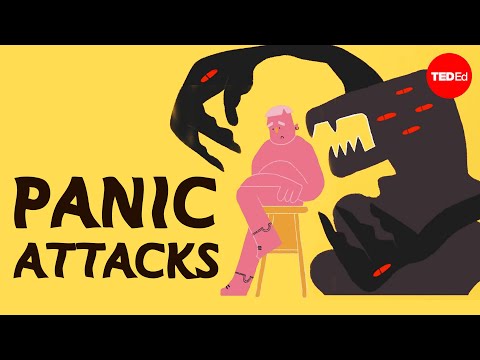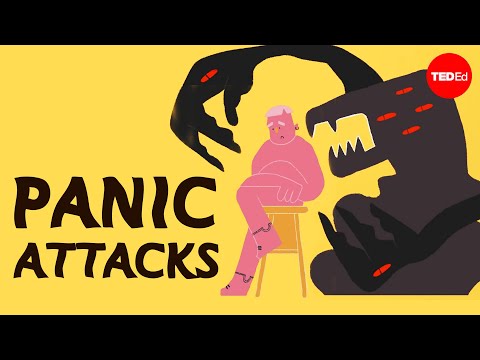
Hey you! So, let’s chat about something that, honestly, we all feel from time to time: panic. You know that heart-racing moment when the world feels like it’s closing in? Yeah, it’s no fun.
Este blog ofrece contenido únicamente con fines informativos, educativos y de reflexión. La información publicada no constituye consejo médico, psicológico ni psiquiátrico, y no sustituye la evaluación, el diagnóstico, el tratamiento ni la orientación individual de un profesional debidamente acreditado. Si crees que puedes estar atravesando un problema psicológico o de salud, consulta cuanto antes con un profesional certificado antes de tomar cualquier decisión importante sobre tu bienestar. No te automediques ni inicies, suspendas o modifiques medicamentos, terapias o tratamientos por tu cuenta. Aunque intentamos que la información sea útil y precisa, no garantizamos que esté completa, actualizada o que sea adecuada. El uso de este contenido es bajo tu propia responsabilidad y su lectura no crea una relación profesional, clínica ni terapéutica con el autor o con este sitio web.
But here’s the thing. You’re not alone. Seriously, we all have those moments that make us feel overwhelmed. It can be a big presentation at work or just realizing you forgot your keys.
What if I told you there are ways to tackle that panic head-on? No magic tricks or endless therapy sessions—just real talk about practical strategies that can help you find calmness again.
Imagine being able to take a deep breath and regain control whenever life throws a curveball. Sounds good, right? Let’s explore some easy ways to stop panic before it takes over. Ready? Here we go!
Understanding the 3 3 3 Rule for Calming: A Practical Guide to Stress Reduction
Hey you! Feeling a bit overwhelmed? That’s totally normal. We all have those moments when stress seems to creep up on us like an unexpected boss battle in a video game. One cool tool to help you chill out is the 3 3 3 Rule. Let’s break it down!
The 3 3 3 Rule is super simple and involves three steps that can bring you back to center when you’re feeling panicked or anxious. Basically, it’s about using your senses to ground yourself. When you’re caught in your thoughts, this technique helps you reconnect with the present moment.
- Look: First off, find three things around you that you can see. It could be anything—a poster on the wall, your favorite coffee mug, or even a plant that’s desperately trying to survive. Take a good look at them and really notice the details.
- Listen: Next up, tune into three sounds. This could be the hum of your refrigerator, birds chirping outside, or even music playing softly in the background. Just allow those sounds to wash over you and pull your focus away from whatever’s stressing you out.
- Touch: Finally, identify three things that you can touch. It might be the texture of your shirt, the coolness of a metal object nearby, or maybe even your own hair! Feelings matter—you’re engaging with something real.
This whole process takes just a minute and helps clear your mind like hitting “reset” during an intense gaming session. By focusing on different senses, you’re diverting attention from whatever’s causing distress and bringing yourself back into reality—cool, right?
I remember sitting in class once feeling completely overwhelmed by what seemed like an impossible amount of homework due all at once. My heart was racing and I couldn’t concentrate. I tried the 3 3 3 Rule—looked around for three things I liked: my friend’s quirky backpack, the cute little plant on my desk that I had named Steve (seriously!), and a poster of my favorite band on the wall. Then I listened for three sounds: laughter from nearby classrooms, the sound of rain tapping against the window (which was oddly soothing), and my teacher’s voice as they explained something nerdy but interesting about physics. Finally, I touched my desk—smooth wood—and clenched my fist to feel its solidness—all these helped ground me in that moment.
The important thing to keep in mind is that while this technique can be super helpful for everyday stressors or panic moments, it doesn’t replace talking to someone who knows their stuff—like a therapist or counselor if things get really heavy.
Your mental health is no joke! So when life throws curveballs at you—whether it’s work stress or personal issues—give this 3 3 3 Rule a try next time you’re feeling swamped by anxiety. It’s simple yet effective; kind of like finding power-ups during those tough levels!
In essence: breathe deeply, engage with your surroundings using sight, sound, and touch—and you’ll find calmness again!
Effective Strategies to Stop Panic Attacks Permanently
Panic attacks can feel like a rollercoaster you never wanted to ride. Your heart races, you might feel dizzy or detached from reality, and it’s like the world is closing in. If you’re dealing with this, I totally get how overwhelming it can be. But there are some effective strategies to help you regain control and find calmness.
First off, recognizing the symptoms is crucial. When you start feeling those warning signs—like a racing heartbeat or shortness of breath—acknowledge them instead of letting them spiral out of control.
- Practice deep breathing: This is like hitting pause on a video game when things get too intense. Inhale slowly through your nose for a count of four, hold for four, then exhale through your mouth for six. It might sound simple, but it works wonders!
- Ground yourself: Try the «5-4-3-2-1» technique. Identify five things you can see, four you can touch, three you can hear, two you can smell, and one that you can taste. It’s like taking a moment to re-center before jumping back into action.
- Kinetic distraction: Engage in an activity that demands your focus—maybe playing a quick game on your phone. Something that pulls your attention away from anxious thoughts and onto something fun!
Another biggie is cognitive behavioral techniques. These help reframe negative thoughts that fuel panic. When those pesky “I’m going to die” thoughts creep in, challenge them! Ask yourself: “What evidence do I have?” This is not just about ignoring feelings; it’s about understanding them better.
- Keep a panic journal: Write down what triggers your panic attacks and how they made you feel at the time. Seeing patterns might help! Plus, writing it out sometimes makes things feel less intense.
- Create an “emergency plan”: This could be as simple as knowing who to call or what calming sounds to listen to when panic strikes. Having this toolkit means you’re not caught off guard.
The social aspect shouldn’t be overlooked either! Talking to friends or joining support groups helps create a sense of community around these experiences.The more connected we feel with others, the less isolated we become in our anxiety.
Meditation has also gained recognition for calming the mind and body during distressing moments. Start with just five minutes each day—it’s like leveling up in real life!
- Lifestyle changes: Regular exercise? Yes please! Physical activity releases endorphins—your body’s natural mood lifters! Also think about cutting down on caffeine and alcohol which can trigger anxiety bursts.
You know what? It’s essential to remember that these strategies don’t replace professional help if needed; they’re additions that complement therapy or medication well.
Panic attacks can steal so much joy from life, but armed with these tools—you’re more than capable of managing them better! All in all, remember you’re not alone in this journey. Seeking support along the way makes all the difference.
“Effective Techniques to Reduce Anxiety Quickly”
Anxiety can feel like a rollercoaster ride. The ups are kinda nice, but the downs? Not so much. When panic hits, you need practical strategies to find your calm again. Here are some effective techniques you might want to try out.
- Deep Breathing: Seriously, just focusing on your breath can help a lot. Take a slow, deep breath in through your nose for four seconds, hold it for four seconds, and then exhale through your mouth for six seconds. It’s like telling your body, “Hey, chill out!”
- Grounding Techniques: These are great when you feel overwhelmed. One popular method is the 5-4-3-2-1 technique: identify five things you can see, four things you can touch, three things you can hear, two things you can smell, and one thing you can taste. This helps pull your focus away from anxious thoughts.
- Progressive Muscle Relaxation: This one involves tensing and relaxing different muscle groups in your body. Start with your toes and work all the way up to your head. It’s surprising how much tension we carry without even knowing!
- Meditation or Mindfulness: Even a few minutes of mindfulness can do wonders. Just sit quietly and focus on what’s happening around you—no judgments! You could also use apps that guide you through short meditations.
- Create a Calm Space: Designate a spot where you feel safe and calm—like your favorite chair or a cozy corner of your room. Stock it with comforting items: maybe some aromatherapy, soft blankets, or even stress balls.
You know what? Sometimes just talking it out with friends or family can make anxiety seem less overwhelming. Remember that time when I was freaking out about an upcoming presentation? Calling my best friend helped me see the situation in a new light—she reminded me how much I love sharing knowledge!
The other thing to keep in mind is that **these techniques are not substitutes** for professional help if you’re really struggling with anxiety. But they’re great tools to have in your back pocket when those panic moments hit hard!
So give these ideas a shot! Who knows? You might find something that works just perfectly for calmness and control.
You know those moments when your heart starts racing, and you feel like the walls are closing in? Yeah, we’ve all been there. It’s like your brain suddenly forgets what calm means. Panic can hit out of nowhere, and it can really mess with your day. I remember this one time I had a huge presentation at work. I was so anxious that when I walked into the meeting room, I could hardly breathe. My palms were sweaty, and my mind was a total blur!
So, how do you stop panic in its tracks? Well, it turns out there are some really practical strategies that can help bring back that sense of calm and control. First off, let’s talk about breathing—yeah, I know it sounds cliché, but hear me out! Deep breathing helps slow down your heart rate and gives you a little mental reset. Try inhaling deeply through your nose for a count of four, holding it for a few seconds, then exhaling slowly through your mouth for six counts. Seriously just doing that a couple of times can make you feel more grounded.
Another trick is to focus on the present moment—like what you can see or hear right now around you. It’s kind of like snaping back to reality when your mind starts spiraling into the “what if” zone. Look at the colors in the room or listen to sounds outside. You’d be surprised how much simply engaging with your environment can help clear away that anxiety fog.
And hey, don’t forget about talking to someone! Sometimes just sharing what you’re feeling can instantly lighten the load you’re carrying around. Whether it’s a friend or family member—or even just writing stuff down—it helps put things into perspective.
In those moments when life feels overwhelming, remind yourself it’s totally okay to take things step by step; there’s no need to rush through everything all at once—which is often what causes panic in the first place! Just knowing that you have these tools can be comforting in itself.
Anyway, we’re all just figuring this thing called life out together—and finding our own way to stay calm among chaos is part of that journey! So next time panic decides to crash the party, remember these little strategies and give yourself some grace—you’ve got this!