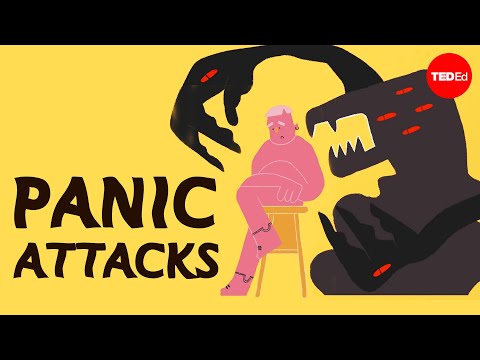
Ever had one of those days where your heart feels like it’s about to jump out of your chest? Yeah, that’s a panic attack for you. It’s like your body goes into full-on freak-out mode when there’s really nothing to worry about.
Este blog ofrece contenido únicamente con fines informativos, educativos y de reflexión. La información publicada no constituye consejo médico, psicológico ni psiquiátrico, y no sustituye la evaluación, el diagnóstico, el tratamiento ni la orientación individual de un profesional debidamente acreditado. Si crees que puedes estar atravesando un problema psicológico o de salud, consulta cuanto antes con un profesional certificado antes de tomar cualquier decisión importante sobre tu bienestar. No te automediques ni inicies, suspendas o modifiques medicamentos, terapias o tratamientos por tu cuenta. Aunque intentamos que la información sea útil y precisa, no garantizamos que esté completa, actualizada o que sea adecuada. El uso de este contenido es bajo tu propia responsabilidad y su lectura no crea una relación profesional, clínica ni terapéutica con el autor o con este sitio web.
You’re not alone, though. Seriously, so many people experience these sudden waves of anxiety. It can be super overwhelming, right? But hey, the cool thing is there are definitely ways to keep these episodes at bay in everyday life.
Imagine breezing through your day without that racing heartbeat or feeling like you can’t breathe. Sounds nice, huh? So let’s chat a bit about some effective ways you can prevent those panic attacks from crashing your party.
Effective Strategies to Stop Daily Panic Attacks and Regain Control
Panic attacks can really throw a wrench in your daily life, can’t they? You know, one moment you’re just chilling, and the next, your heart’s racing and you feel like you’re losing control. It’s tough. But there are some strategies you can try that may help you manage and even prevent those pesky attacks.
- Practice Deep Breathing: Breathing exercises are super effective for calming down. When you feel a panic attack creeping in, focus on your breath. Inhale slowly for a count of four, hold for four, then exhale for six. It’s like hitting the pause button on your body.
- Ground Yourself: Grounding techniques can really bring you back to reality during an attack. One simple method is the “5-4-3-2-1 technique.” Look around and identify five things you can see, four things you can touch, three things you can hear, two things you can smell, and one thing you can taste. This helps distract your mind from the panic.
- Avoid Caffeine: Seriously—caffeine might give you that extra boost in the morning but it also ramps up anxiety levels. If you’re prone to panic attacks, consider cutting back or switching to decaf.
- Create a Routine: Having a regular daily routine gives structure to your day and can help ease anxiety. You could start each morning with something calming like meditation or yoga—just a few minutes could set a positive tone.
- Pace Yourself: If you’re feeling overwhelmed by tasks or situations that usually don’t bother you, well then take it slow! Break down what needs to be done into smaller chunks. It’s like leveling up in a game; tackle each level one at a time rather than all at once!
- Talk It Out: Don’t bottle it up! Sharing what you’re feeling with someone who understands—a friend or family member—can be incredibly helpful. Sometimes just getting it out there makes everything feel less heavy.
You know what I’ve realized? Keeping yourself physically active helps too! Exercise releases endorphins which are basically natural mood lifters. Whether it’s jogging around the block or dancing silly at home—get moving!
If you’ve tried these strategies and still find yourself struggling with frequent panic attacks… remember it’s okay to seek professional help! A therapist who specializes in anxiety could provide support tailored just for you.
The reality is: tackling panic attacks takes time and patience but with consistent effort, you’ll likely gain some control back in your life. You’re not alone in this journey; many have walked this path before. So hang in there!
12 Key Warning Signs of a Panic Attack: Recognize and Understand the Symptoms
Okay, so panic attacks can be seriously overwhelming. If you or someone you know has ever experienced one, you know how scary it can be. Let’s go through some of those key warning signs that might pop up during a panic attack. Recognizing these can really help in managing your feelings and understanding what’s happening in those moments.
- Racing Heartbeat: This is like when you’re playing a fast-paced game and your heart starts racing because you’re about to beat a level. During a panic attack, it feels like your heart is doing laps in your chest!
- Sweating: You might find yourself sweating buckets, even if the room isn’t hot. It’s like when you’re under pressure in a game—you get that sweaty palms feeling.
- Trembling or Shaking: Some folks shake uncontrollably as if they’re holding onto something that’s vibrating. It can feel kind of like the adrenaline rush before an important match.
- Shortness of Breath: Imagine running to catch a bus; now multiply that feeling tenfold. You might feel like you can’t catch your breath at all during an attack.
- Chest Pain: This isn’t just typical muscle soreness; it feels more intense—like someone is sitting on your chest! Scary stuff, huh?
- Nausea or Upset Stomach: Some people experience butterflies in their stomach, but during a panic attack, it’s more like being on a roller coaster for too long and feeling queasy after.
- Dizziness or Lightheadedness: You could feel as if the ground is unsteady beneath you—almost like when you’ve been spinning around in circles too much.
- Chills or Hot Flashes: One minute you’re freezing, and the next you’re sweating—kind of like flip-flopping between ice fishing and sun bathing!
- Numbness or Tingling Sensations: You might feel pins and needles creeping up your arms or legs—as if they’ve fallen asleep from sitting awkwardly while gaming!
- Sense of Derealization: This is when everything seems unreal; it’s as if you’re watching life happen through a screen. An odd sensation for sure!
- A Fear of Losing Control or «Going Crazy»: It’s that moment where every thought spirals out of control; it feels chaotic, just like during an unexpected boss fight in video games.
- A Fear of Dying: In those intense moments, some people think they’re having a heart attack. That fear can be totally consuming.
If any of these symptoms sound familiar to you or someone close to you, recognizing them can make all the difference in tackling those tricky moments head-on. But remember: these signs don’t mean you’re alone! Talking with professionals who understand panic attacks can offer so much more support than I do here. Take care of yourself—and don’t hesitate to reach out for help when needed!
Your emotional well-being matters far more than any game level; recognizing these warning signals is just one step toward feeling better every day.
Effective Strategies to Stop Panic Attacks for Good
Oh man, panic attacks can really throw you for a loop. It’s like your brain gets stuck in this crazy loop, and suddenly your heart’s racing, you can’t breathe, and you feel like you’re losing it. If that’s something you’ve dealt with, know you’re not alone. But there are some effective strategies to help manage and even prevent those panic attacks from sneaking up on you.
Understand Your Triggers
First off, it’s super important to figure out what triggers your panic attacks. Is it stress at work? Crowds? Or maybe just being in a closed space? Keeping a little journal can really help! Jot down when an attack happens and how you were feeling before that. You might start to see patterns.
Breathe Deeply
So, let’s talk about breathing. When panic strikes, our breaths get all shallow and fast. A few deep breaths can help calm that storm inside! Try the 4-7-8 technique: inhale deeply through your nose for 4 seconds, hold it for 7 seconds, then exhale slowly through your mouth for 8 seconds. Seriously, try this next time. You’ll be surprised at how much it helps.
Practice Grounding Techniques
When those feelings of panic wash over you, grounding techniques can pull you back into the moment. One popular method is the 5-4-3-2-1 strategy:
- 5 things you can see: Look around and notice details.
- 4 things you can feel: Touch something nearby or notice your feet on the ground.
- 3 things you can hear: Close your eyes and really listen.
- 2 things you can smell: Maybe it’s fresh coffee or flowers nearby.
- 1 thing you can taste: Pop a piece of gum or think about the last meal.
This technique is like hitting “pause” on a video game when things get too intense!
Create a Safe Space
Creating an environment where you feel safe is key. This could be as simple as having a cozy spot at home where you keep items that soothe you—like soft blankets or calming scents like lavender. It should be a go-to place where you can chill out when life gets overwhelming.
Avoid Stimulants
Have a cup of coffee lately? Now I love my caffeine fix too, but it’s worth noting that stimulants like caffeine or nicotine could mess with your anxiety levels. They tend to ramp up that heart rate we’re trying to chill out! Maybe give herbal tea a shot instead?
Talk It Out
Sometimes just chatting with someone about what you’re going through helps more than you’d think! Whether it’s friends or family members—or even joining support groups—it makes a difference to connect with others who understand what you’re feeling.
Your Body Matters!
Don’t forget to move around! Regular exercise is one of those magical tools nature gave us; it not only releases endorphins (your body’s happy hormones) but helps reduce overall anxiety levels too. Even going for walks or doing yoga at home counts!
Remember this though: while these strategies are great tools, they’re not replacements for professional help if you’re struggling significantly with panic attacks. If these tips aren’t cutting it for ya, talking to a therapist could be one of the best decisions ever.
In the end, finding what works best for _you_ might take some time and patience—but hang in there! You’ve got this!
Panic attacks can be super overwhelming, right? It’s like your body suddenly decides it’s time for a rollercoaster ride, even if you’re just sitting at your desk. You know that feeling when the world feels like it’s closing in on you? Yeah, that’s panic for you. So, how can we prevent those surprise attacks from crashing our everyday life?
First off, let’s talk about breathing. I mean, it sounds simple and kinda cliché, but focusing on your breath can truly help ground you when things start to feel chaotic. Picture this: you’re in a meeting, and suddenly your heart races and your palms sweat. Instead of freaking out more, just take a second to breathe deeply—in through your nose, out through your mouth. Do this a few times and see how it calms those stormy feelings.
Another thing worth mentioning is mindfulness. Seriously though! It’s not just for yoga enthusiasts in funky pants. Mindfulness can really help us stay in the moment rather than spiraling into those “what if” thoughts. Try paying attention to what’s around you. Is there a nice plant nearby? Or maybe the sound of the coffee maker brewing? Just tuning into what’s happening right now can keep your mind from wandering into panic territory.
And hey, exercise! You don’t have to sign up for a marathon (unless that’s your jam). Even going for a walk or dancing around your living room can do wonders for reducing stress levels. I remember once after a particularly gnarly week at work, I threw on some music and started dancing like nobody was watching—seriously liberating! Afterward, I felt so much lighter; it was like shaking off all that tension.
Building connections is important too—talking to friends or family about how you’re feeling can really help ease those anxious thoughts. You’d be surprised by how many people get it and have been through similar experiences. Sharing what you’re going through creates this powerful bond, reminding us we’re not alone in dealing with this stuff.
Also, trying to stick to a routine is surprisingly effective. Routines offer structure—something that feels comforting when everything seems unpredictable—a full nights sleep or regular meal times can make a huge difference too!
So yeah, while there are lots of ways to cope with potential panic attacks sneaking into daily life, finding what suits you personally is key! The goal isn’t perfection; it’s about finding little strategies that empower you when things get tough. Life’s way too short to let anxiety steal joy from the little moments!