Hey, you! So, let’s chat about something pretty cool—socionics! You know how we all have our quirks? Well, socionics digs into those traits and helps us understand them better.
Este blog ofrece contenido únicamente con fines informativos, educativos y de reflexión. La información publicada no constituye consejo médico, psicológico ni psiquiátrico, y no sustituye la evaluación, el diagnóstico, el tratamiento ni la orientación individual de un profesional debidamente acreditado. Si crees que puedes estar atravesando un problema psicológico o de salud, consulta cuanto antes con un profesional certificado antes de tomar cualquier decisión importante sobre tu bienestar. No te automediques ni inicies, suspendas o modifiques medicamentos, terapias o tratamientos por tu cuenta. Aunque intentamos que la información sea útil y precisa, no garantizamos que esté completa, actualizada o que sea adecuada. El uso de este contenido es bajo tu propia responsabilidad y su lectura no crea una relación profesional, clínica ni terapéutica con el autor o con este sitio web.
It’s like a personality map that shows how we connect with each other. Sounds interesting, right? Imagine figuring out why your friend always seems to know what you’re thinking or why you clash with certain people.
There are a bunch of different types in socionics, and each one has its own vibe. It’s kind of like having a secret decoder ring for relationships and interactions you know?
Stick around. We’re going to break down these types and their features together. It’s gonna be fun!
Discover Your Socionics Type: Take the Comprehensive Socionics Types Test
So, let’s chat about Socionics. It’s like a personality theory that breaks down how we think, feel, and interact with others. You know? Kind of like figuring out your character in an RPG game; it gives you insights into what makes you tick.
Now, in Socionics, there are 16 different personality types. Those types are based on how you perceive the world and how you relate to people. Each one has its own unique features and characteristics, which is pretty cool when you think about it!
Here’s a quick rundown of the key features:
- Information Metabolism: This just means how you process information. Some folks digest it slowly and savor every detail, while others take it in fast and focus on the big picture.
- Interpersonal Relations: This covers how each type interacts with other types. Some might be super outgoing while others prefer to keep things low-key.
- Cognitive Functions: These are like mental tools each type uses to deal with the world—think of them as your character’s skills in a game!
- Values: Each type has specific things they value more than others—like creativity or logic—which guide their decisions.
To give you a better idea, let’s take an example from gaming: Think about two different classes in a game—say a wizard and a warrior. A wizard relies on spells (cognitive functions) and might see the battlefield differently than a warrior who charges straight ahead (interpersonal relations). Each class has strengths and weaknesses that shape their interactions.
So, figuring out your Socionics type can feel like leveling up by understanding yourself better! You can take a comprehensive test online that will help narrow down which type speaks to you.
A few things to keep in mind:
- This isn’t some one-size-fits-all box. You’re way more complex than just one label!
- The test results can help guide your self-reflection but don’t forget: they’re not definitive.
- And always remember: if you’re facing serious issues or need help navigating your feelings, talking to a professional is key! They can provide support tailored just for you.
In short, Socionics sheds light on human behavior in an interesting way—like using cheat codes to understand yourself better! So why not give it a go? It could be exactly what you need to unlock those levels of insight into your personality!
Top Socionics Tests to Discover Your Personality Type Effectively
So, socionics? It’s like this fascinating framework that helps you understand different personality types. It’s based on Jungian psychology but goes a bit further by diving into how people interact with each other. If you’re looking to discover your personality type effectively, I’ve got some tests that can help you figure it out. Let’s jump right in!
The Socionics Test Basics
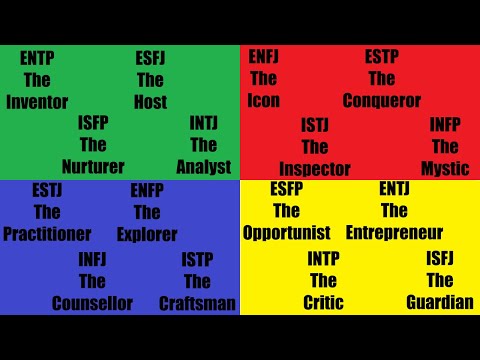
Socionics divides personalities into 16 types, and these are grouped into four categories based on cognitive functions. Each type has its unique way of interacting with the world and dealing with stress, relationships, and work. But first things first: you need to take a test to find your type.
Key Tests for Identifying Your Socionic Type
- Springer’s Socionics Test: This is a popular online quiz that gives you a good starting point. It consists of multiple-choice questions designed to gauge your preferences and tendencies across various situations.
- Socionics.com Test: The official site offers a detailed assessment that dives deeper into how you’ll likely respond in social settings. With more nuanced questions, it’s pretty thorough.
- 16Personalities Test: While technically not socionics-focused, many find this test helpful as it touches on similar themes relating to personality traits and cognitive functions.
- The Jung Typology Test: Another classic! You answer several questions about your preferences which align closely with socionic types. It’s kind of like taking a personality quiz for fun but can actually be insightful!
You know what? Taking these tests isn’t just about identifying which box you fit in. It’s about discovering how those traits play out in real life.
The Importance of Context
If you’ve ever played role-playing games or team-based video games, think about how players choose their characters based on strengths and weaknesses. That’s pretty similar to socionics – understanding where your strengths lie helps you interact better in teams or even friendships! For example, if you identify as an “Ethical Intuitive Introvert,” knowing this can clarify why you’re more sensitive during conflicts than an “Ethical Sensing Extravert” who may thrive on debate.
Anecdote Time!
A friend of mine took one of these socionic tests after years of wondering why she struggled in group settings. Turns out she identified as an “Introverted Logical Type.” Once she figured this out, everything clicked! She learned when to step back from discussions or lead when needed. It was like watching her realize she’d been trying to force herself into roles that just didn’t suit her.
Final Thoughts
Remember, while these tests can really help illuminate aspects of your personality, they’re not the end-all-be-all! They don’t replace professional help if you’re navigating deeper psychological issues or personal growth work.
No matter what your results say, it’s all part of understanding yourself better – like leveling up in your own game of life!
Understanding Socionics and MBTI: A Comparative Guide to Personality Types
Sure! So, let’s dive into a comparison between Socionics and the Myers-Briggs Type Indicator (MBTI). Both systems give us a way to think about personality types, but they do it in slightly different ways. Let’s break things down so it’s easy to digest.
What is Socionics?
Socionics is a theory of personality that focuses on how people interact with each other. It’s based on Carl Jung’s ideas about psychological types but takes it further by examining interpersonal relationships. The whole point is to understand the dynamics between different types.
What is MBTI?
MBTI, on the other hand, is more about how you take in information and make decisions. It also draws from Jung’s work and categorizes personalities into 16 different types based on four dichotomies:
- Extraversion (E) vs. Introversion (I)
- Sensing (S) vs. Intuition (N)
- Thinking (T) vs. Feeling (F)
- Judging (J) vs. Perceiving (P)
Main Differences
While both systems categorize personality types, their approaches are quite distinct:
- Theoretical Foundations: Socionics relies heavily on information metabolism and how we process interactions—like players trading items or strategies in a game. MBTI emphasizes personal preferences in processing information.
- Cognitive Functions: In MBTI, cognitive functions represent how we think and act, while Socionics places more importance on the flow of information between people.
- You’re Type of Engagement: In Socionics, relationships are crucial—how two types interact can determine compatibility. MBTI looks at individual traits without stressing relational dynamics as much.
Your Type’s Role
In Socionics, your type is seen like a role you play with others—think of it as your character class in a multiplayer game! You have strengths and weaknesses that affect not just you but also your team dynamics.
For example: An **Intuitive Thinker** in Socionics may see the big picture effortlessly but might struggle with detailed execution when paired with a **Sensing Feeler**, who excels at practical tasks but may miss out on innovative ideas.
In MBTI terms, that same **NT** pairing could bring out elements of debate or discussion, where both try to assert their views without focusing much on feelings involved.
How They Label Types
Socionics has its own unique system for labeling each type with four letters similar to MBTI but uses 16 different models that often sound like phrases rather than mere initials. Here are some examples:
- LII: Logical Intuitive Introvert – very analytical!
- ESE: Ethical Sensing Extravert – all about people!
Meanwhile, MBTI types are straightforward like ENTJ or ISFP—but at times they can be interpreted more rigidly than needed!
The Bottom Line
Both systems help you understand yourself better and get insight into why people behave differently from one another. Maybe you’re an INFP who dreams up stories but feels overwhelmed during group projects because you’re surrounded by ESTJs who love structure!
Remember though: These tools can be fun and insightful but they don’t define you completely; we’re all so much more complex than just a label! If you feel stuck or overwhelmed trying to figure yourself out or your relationships with others, chatting with someone professionally trained can be really helpful.
So, you know how sometimes it feels like you just click with certain people? Like, you can talk about anything and laugh until your sides hurt, while with others, it’s like pulling teeth? That’s kinda where socionics comes into play. It’s this super intriguing framework that helps us understand different personality types and how they interact with one another.
I remember chatting with a buddy of mine about an argument he had with his girlfriend. They both love each other, but they were just missing each other’s vibes. My friend is more laid-back and tends to take things easy. Meanwhile, his girlfriend has this intense drive to get things done and tends to analyze everything. Looking at it through a socionics lens made me realize that they were coming from completely different places! It’s wild how our personalities shape our relationships.
Socionics divides people into 16 types based on their cognitive functions—think of these as mental tools we all use differently. Some folks are more about feeling and emotions—those are the «Feelers.» Others focus on logic and analysis—the «Thinkers.» And then there are those who just love to explore ideas—the «Intuitives,» versus the «Sensors,» who get their kicks from the here and now.
What gets interesting is how these types interact. Some pairs mesh beautifully; they bring out the best in each other! But others? Not so much. It’s like trying to fit a square peg in a round hole sometimes. You might feel drained or misunderstood if your personality type clashes with someone else’s.
It does make you think about your own relationships, doesn’t it? Ever had that friend who just gets you? Or maybe a co-worker who drives you up the wall? Knowing about socionics can give some insight into why these dynamics play out the way they do.
So there you have it—socionics isn’t just some fluffy theory; it helps paint a clearer picture of why we vibe with certain folks while struggling with others. The next time someone rubs you the wrong way (or feels like home), consider taking a peek into their personality type. You might find it opens up some unexpected doors in understanding each other better!