Hey you! Let’s talk about panic disorder for a sec. Seriously, it’s one of those things that can sneak up on you when you least expect it.
Este blog ofrece contenido únicamente con fines informativos, educativos y de reflexión. La información publicada no constituye consejo médico, psicológico ni psiquiátrico, y no sustituye la evaluación, el diagnóstico, el tratamiento ni la orientación individual de un profesional debidamente acreditado. Si crees que puedes estar atravesando un problema psicológico o de salud, consulta cuanto antes con un profesional certificado antes de tomar cualquier decisión importante sobre tu bienestar. No te automediques ni inicies, suspendas o modifiques medicamentos, terapias o tratamientos por tu cuenta. Aunque intentamos que la información sea útil y precisa, no garantizamos que esté completa, actualizada o que sea adecuada. El uso de este contenido es bajo tu propia responsabilidad y su lectura no crea una relación profesional, clínica ni terapéutica con el autor o con este sitio web.
Imagine this: you’re hanging out, feeling chill, and then boom—your heart starts racing like you just ran a marathon. No fun, right?
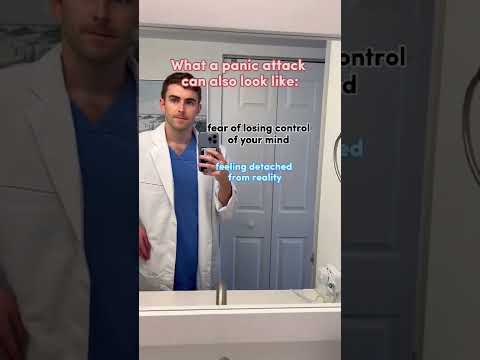
It’s wild how our minds can play tricks on us. You might feel dizzy or even kind of detached from reality.
But here’s the kicker: lots of people go through this and don’t even know what’s happening. So, let’s pull back the curtain a little and check out some signs to watch for. You with me?
Panic Attack vs Anxiety Attack: Key Differences and Understanding Their Symptoms
Alright, let’s get into the thick of it. When you hear someone talk about panic attacks and anxiety attacks, they might sound similar, but oh boy, they’re not the same! Knowing the differences can really help you or someone you know when those feelings hit. So let’s break it down.
Panic attacks are sudden and overwhelming bursts of fear or discomfort. They often appear out of nowhere and reach their peak within minutes. Ever played a game where an unexpected enemy pops out from behind a wall? That’s kind of what a panic attack feels like—surprising and intense.
On the flip side, anxiety attacks tend to build up over time. You might feel a growing sense of dread or worry about something that’s going to happen. It’s more like that slow burn of waiting for your turn in a game, feeling increasingly nervous as you approach the final boss.
- Symptoms of Panic Attacks:
- Racing heartbeat
- Sweating or chills
- Trembling or shaking
- Sense of impending doom
- Dizziness or lightheadedness
- Symptoms of Anxiety Attacks:
- Persistent worry or fear about future events
- Feeling restless or on edge
- Tiredness from constant tension
- Irritability without obvious cause
You notice how panic attacks hit hard and fast while anxiety attacks take their sweet time to creep in? That’s a big clue to understanding both. A buddy of mine once described his first panic attack during a crowded concert. He said everything felt too loud, his heart was racing—you know how it is when things get too real too quick? He thought he was having a heart attack!
With anxiety attacks, it’s often tied to specific worries—like stressing over an upcoming exam or job interview. Those feelings can linger for days! It’s exhausting if you think about it.
Mental health stuff isn’t one-size-fits-all, though! Not everyone experiences these symptoms in exactly the same way. Some folks may have both types at different times—you know what I mean? And really important: if you ever feel overwhelmed by these sorts of feelings, reaching out for professional help is totally valid.
The main takeaway here is that recognizing whether you’re facing a panic attack or an anxiety attack can be super helpful in managing your emotions better. Understanding what you’re dealing with is step one toward finding relief!
Understanding Panic Attack Symptoms in Women: Key Signs and Insights
Panic attacks can feel like a roller coaster ride—but not the fun kind. They can hit out of nowhere, leaving you feeling scared and overwhelmed. If you or someone you know is going through this, it’s really important to recognize the signs. Let’s break it down, especially for women who often experience panic attacks differently.
First off, what exactly is a panic attack? It’s an intense rush of fear or discomfort that peaks within minutes. It can make you feel like you’re losing control or even having a heart attack. Yikes, right? The symptoms can be pretty alarming.
- Rapid heart rate: Your heart feels like it’s racing, making it hard to breathe. Imagine sprinting to catch a bus—you can feel your heart pounding in your chest!
- Sweating: You might break out into a sweat for no good reason. Seriously, it’s like being in the middle of an online game and suddenly facing a surprise boss battle.
- Trembling or shaking: This symptom can make you feel physically weak and super uneasy.
- Sensations of choking: It’s like having something stuck in your throat when you’re trying to eat that delicious pizza too fast—we’ve all been there!
- Nausea or abdominal distress: You might feel queasy or have stomach cramps that come outta nowhere.
- Dizziness or lightheadedness: This can make you feel as if the world around you is spinning, which is totally disorienting.
- Fear of losing control or “going crazy”: These thoughts often pop up during an attack. It’s like playing a game where if you mess up, there are serious consequences; imagine that pressure!
- Fear of dying: Some people really think they’re facing death during these episodes—horrifying, right?
The tricky part is these attacks can happen without warning and maybe even multiple times in one day. But here’s something huge: panic disorder isn’t just about isolated incidents; it involves recurring panic attacks along with a fear of future attacks. That fear can lead to avoiding places where you’ve experienced them before—it’s totally understandable but also limiting.
You know how sometimes in games there are unexpected challenges? Well, real life throws curveballs too! Imagine getting used to dodging social events because you’re worried about having an attack there—that’s part of how panic disorder might manifest.
If you’re recognizing these symptoms in yourself or someone close to you, remember: talking to a professional about what you’re feeling is crucial—even if it’s scary at first! You’re not alone in this journey; so many experience similar struggles and there’s help available!
Panic attacks are tough cookies to crack but knowing what signs to look for makes all the difference. Keep these key points handy as they might just help catch those sneaky symptoms before they spiral into something more unsettling!
Your mental health matters—a lot! So be kind to yourself and reach out when needed!
Understanding the Causes of Panic Attacks: Key Psychological Factors and Triggers
Panic attacks can feel like a sudden storm, sweeping in and leaving you completely disoriented. Imagine you’re about to take a big exam or go on stage to perform, and out of nowhere, your heart races, your palms get sweaty, and you can’t catch your breath. It’s intense, right? Let’s break down what might be causing these feelings.
Panic disorder usually shows up with repeated panic attacks. Not everyone who has one is considered to have this disorder, but if those attacks start affecting your daily life—well, that’s when things can get tricky. Here are some key psychological factors and triggers that might be at play:
- Genetics: There’s some evidence that suggests panic disorder can run in families. If someone close to you has experienced anxiety issues, you might be more prone to panic attacks yourself.
- Stressful life events: Major changes like losing a loved one or starting a new job can trigger panic attacks in some people. It’s like your brain is overloaded with stress and suddenly decides it’s too much.
- Personality traits: People who tend to be more sensitive or have a low tolerance for stress might find themselves facing more panic attacks than others. It’s not fair, but it happens!
- Biological factors: Your brain’s chemistry plays a huge role in how you feel. Imbalances in neurotransmitters—those little messengers in your brain—can cause all sorts of emotional chaos.
- Avoidance behaviors: If you’ve had an attack in a certain situation—like on public transport—you might start avoiding those places altogether. This avoidance can lead to even more anxiety over time.
The triggers? They vary widely from person to person. For some folks, crowded places or being far from home can set off an attack. For others, it could be something as simple as drinking too much coffee (yikes!). The important thing here is recognizing what sets YOU off.
A fun way to look at this is through video games—ever played one where the character gets overwhelmed by enemies? They might freeze up or panic because the stakes are so high! Well, your brain sometimes reacts similarly when things feel overwhelming in real life; that fight-or-flight response kicks in without warning.
If you’re noticing symptoms like rapid heartbeat, dizziness, or chest pain—not cool! Remember that these feelings don’t always mean something serious is wrong with your health; however, they’re definitely signs you should check out with a professional if they keep happening.
If you’re feeling stressed or anxious regularly and suspect that these symptoms are creeping into your life too often, please consider talking to someone—a therapist or doctor can help navigate these choppy waters with you. You got this!
Panic disorder can feel like being caught in a storm without your umbrella—totally unexpected and overwhelming. You know, one minute you’re just chilling, and the next, your heart races like it’s trying to break records. It’s wild how quickly things can flip.
So, what’s really going on when we talk about panic disorder? Well, it’s more than just feeling anxious. We’re talking about sudden episodes of intense fear or discomfort that peak within minutes. Picture this: you’re walking down the street, minding your own business, then bam! You suddenly feel dizzy, like your legs are turning to jelly. Your heart’s pounding so hard you could swear everyone around you can hear it. And then there’s that feeling like you’re losing control or even having a heart attack—talk about terrifying!
Here are some things to look for if you think someone might be dealing with this:
- Shortness of breath or feeling like you can’t catch your breath.
- Chest pain that makes your heart drop.
- Persistent worry about having another panic attack.
- Feeling detached from reality or yourself.
- Sweating profusely like you just ran a marathon.
I remember my friend Sarah telling me about her first panic attack. She was in class getting ready for a presentation when suddenly everything became too much. Her palms were sweaty and her thoughts spiraled out of control. Afterward, she couldn’t shake the fear that it might happen again every time she stepped into a classroom. That anxiety became part of her routine—a pretty rough way to live.
It’s important to note that not everyone will experience panic disorder the same way. Some folks might have different symptoms or triggers entirely; maybe they’re afraid of being in crowded places because they associate them with past attacks. The key here is not brushing off these feelings as “just anxiety.”
Learning how to recognize these symptoms is crucial for support—not just for yourself but also for those around you who might be struggling silently. If you or someone close is experiencing these intense feelings, reaching out for help isn’t weakness; it’s strength!
So yeah, knowing what to look for can really make a difference in someone’s life—or even your own if you’re experiencing this firsthand! Let’s keep the conversation going because understanding our minds is just as important as understanding each other!