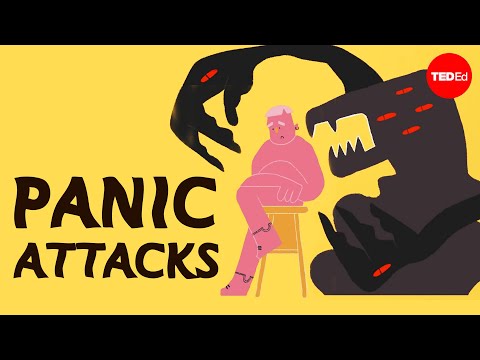
So, let’s chat about panic attacks for a second. You know those moments when your heart races, and your breath feels shallow? Yeah, that’s panic knocking at the door.
Este blog ofrece contenido únicamente con fines informativos, educativos y de reflexión. La información publicada no constituye consejo médico, psicológico ni psiquiátrico, y no sustituye la evaluación, el diagnóstico, el tratamiento ni la orientación individual de un profesional debidamente acreditado. Si crees que puedes estar atravesando un problema psicológico o de salud, consulta cuanto antes con un profesional certificado antes de tomar cualquier decisión importante sobre tu bienestar. No te automediques ni inicies, suspendas o modifiques medicamentos, terapias o tratamientos por tu cuenta. Aunque intentamos que la información sea útil y precisa, no garantizamos que esté completa, actualizada o que sea adecuada. El uso de este contenido es bajo tu propia responsabilidad y su lectura no crea una relación profesional, clínica ni terapéutica con el autor o con este sitio web.
It can hit anyone, anytime, and trust me, you’re not alone if it happens to you. Seriously! But what causes these crazy episodes?
Well, there are triggers all around us—some obvious, others not so much. And then there are risk factors that might surprise you.
Let’s break it down together and see what might be fueling those feelings of panic. Sound good? Cool!
Panic Attack vs Anxiety Attack: Key Differences and Symptoms Explained
Panic attacks and anxiety attacks are often mixed up, but they are distinctly different experiences. You might think of panic attacks like the surprise boss fight in a video game that you weren’t prepared for. They strike suddenly, often without warning, and can be pretty intense. On the other hand, anxiety attacks creep up on you over time like that slow build-up of tension before a big battle.
Panic Attack: This is usually marked by sudden feelings of overwhelming fear or discomfort. It can feel like you’re dying or losing control—seriously intense stuff! The symptoms can hit you hard and fast.
- Physical Symptoms: These can include heart palpitations, shortness of breath, dizziness, sweating, chills, or hot flashes.
- Mental Symptoms: You might experience a sense of unreality or detachment from yourself (like watching yourself in a movie), intense fear of dying or going crazy.
A friend of mine once described her first panic attack as feeling like she was being chased by an invisible monster. She couldn’t breathe and felt like she was drowning on dry land. Scary, huh?
Now let’s chat about Anxiety Attacks: These tend to be more generalized feelings of worry or unease that build up over time. They may not be as intense as panic attacks but can still feel pretty rough.
- Physical Symptoms: Common ones include muscle tension, fatigue, headaches, and sleep disturbances.
- Mental Symptoms: You might find yourself ruminating over worst-case scenarios or feeling restless and unable to concentrate.
Think about playing a strategy game where you’re constantly under pressure to secure resources or fend off competitors—that’s kind of what anxiety feels like! It’s this persistent nagging that doesn’t go away easily.
But what actually causes these two types of attacks? Well, both have their roots in stress but trigger factors differ:
Panic Attack Causes:
- Genetics: If anxiety runs in your family tree, you may be more prone to panic attacks.
- Stressful Life Events: Major changes like divorce, loss of a job, or even starting college can throw your system into chaos.
- Caffeine and Drugs: High caffeine intake or substance abuse can spike those anxiety levels faster than Mario collects coins!
So basically: if your body’s stress response goes haywire due to genetics or stressful situations—bam! You could experience a panic attack.
In the end though remember this isn’t meant to replace professional help. If you’re facing frequent panic or anxiety attacks that interfere with your life? Seriously consider talking it out with someone who knows their stuff—like a therapist or counselor. You’ve got this!
Understanding Panic Attack Symptoms in Women: Key Signs and Insights
Panic attacks can be super unsettling, especially when they hit out of nowhere. If you’re a woman, you might notice some unique patterns in how these panic attacks show up. The symptoms can be intense and vary widely from person to person. So let’s break it down.
**What are Panic Attacks?**
A panic attack is like an over-the-top reaction to stress or fear, right? Your body goes into fight-or-flight mode, even when there’s no actual danger. It can cause a mix of physical and emotional symptoms that feel pretty overwhelming.
**Common Symptoms**
Here are some key signs you might experience during a panic attack:
- Rapid heart rate: Your heart feels like it’s racing, which can be really scary.
- Sweating: You might suddenly feel hot and start sweating even if the room isn’t warm.
- Trembling or shaking: Your hands could shake uncontrollably.
- Shortness of breath: It may feel like you can’t catch your breath at all.
- Nausea or stomach discomfort: Your tummy does backflips, which is no fun.
- Dizziness: You might feel lightheaded or faint.
- Feelings of unreality: You may experience disassociation; it’s like you’re watching life from the sidelines.
These symptoms can make you feel like you’re having a heart attack or losing control! I mean, imagine being in a crowded room and suddenly feeling trapped by your own body—just awful!
**Triggers and Risk Factors**
So what causes these panic attacks? Well, they often have specific triggers. Here’s a breakdown:
- Stressful events:You know those big life changes—like moving cities or starting a new job—that bring both excitement and anxiety? They can trigger an attack!
- Genetics:If your family has anxiety issues, there’s a higher chance you might experience them too.
- Caffeine use:A little coffee is fine for many, but for some women, too much caffeine can spark those feelings of panic.
- Mental health conditions:If you’re already dealing with anxiety or depression, it heightens the risk for panic attacks.
For instance, I had this friend who loved her morning lattes. She developed panic attacks after starting her new job. Throwing in that caffeine was like adding fuel to the fire!
**Self-Help Strategies**
Now don’t get me wrong; no one wants to go through this alone! Here are some strategies that might help manage those pesky symptoms:
- Breathe deeply:Your breath is your ally! When you focus on slow breathing, it sends calming signals to your brain.
- Avoid triggers:If you know certain situations ramp up your anxiety—say crowded places—try planning around them when possible!
Still struggling? It’s totally okay to reach out for professional help because nobody should face this alone.
**Final Thoughts**
Panic attacks can be tough but knowing what they look like and where they come from makes it easier to handle them. Remember that everyone experiences these things differently, but by understanding the patterns—like how women often report different symptoms—you’re taking steps toward feeling more in control.
Just remember: While it’s vital to stay informed about these signs and triggers, seeking support from friends or professionals makes all the difference in navigating through tough times!
Effective Strategies for Panic Attack Treatment: Understanding and Managing Symptoms
Panic attacks can feel like a roller coaster ride you never wanted to get on, right? Your heart races, you can’t breathe, and suddenly you’re convinced something terrible is happening. Understanding what triggers these intense feelings can be super helpful in managing them.
Common Triggers
There are a whole bunch of things that might set off a panic attack. Let’s dig into some of the common culprits:
- Stressful life events: Big changes like moving to a new city or starting a new job can spark panic attacks.
- Encountering phobias: If you’re scared of flying, just thinking about boarding a plane could send your heart racing.
- Major health issues: Sometimes, if you’re feeling unwell or have another medical condition, that can trigger anxiety.
- Caffeine and drugs: Too much coffee or certain substances can amp up your anxiety levels.
Each person is different, so your triggers might be unique. For instance, I once had a friend who would panic every time her phone rang because it reminded her of an overwhelming work situation. Can you relate?
Risk Factors
Now let’s talk risk factors. These are the things that might make someone more likely to have panic attacks.
- Family history: If someone in your family has struggled with anxiety or panic attacks, you might be more prone too.
- Your personality: People who are naturally more anxious or maybe perfectionists can be at higher risk.
- Past trauma: Experiencing trauma in your life often leads to heightened anxiety levels later on.
Think about it this way: if you’ve ever played a survival horror game and found yourself tense after a jump scare—that’s kind of what triggers do in real life for some people!
Panic Attack Management Strategies
Okay, so what should you do when those feelings hit? Here are some strategies:
- Breathe slowly: Focus on taking slow deep breaths—in through your nose and out through your mouth. It sounds simple but seriously helps calm the body down.
- Acknowledge what’s happening: Remind yourself that you’re having a panic attack and it’s not life-threatening. “Okay, I’m feeling this way but I am safe.”
- Grounding techniques: Try grounding yourself by using your senses. Describe five things around you—you’ll focus on the present rather than the rising panic.
And hey, never underestimate talking with someone! Sharing how you’re feeling—whether it’s with friends or professionals—can really lighten the load.
Remember though: these strategies are here for support and shouldn’t replace seeking professional help if that’s what you need. Everyone’s journey is different!
You know, panic attacks can hit like a ton of bricks. One minute you’re just sitting there, maybe sipping coffee or watching TV, and the next thing you know your heart is racing, you feel like you can’t breathe, and suddenly the world feels super overwhelming. I mean, it’s just wild how quickly everything can change.
There’s really no one recipe for what sparks a panic attack; it’s more like a buffet of potential triggers. Stress, for example, is like that annoying friend who just doesn’t take a hint—if life is throwing curveballs at you left and right, your body might just decide that enough is enough. Ever felt so overwhelmed by work or personal issues that you could practically feel the panic rising? Yeah, me too.
Crowded places can be another culprit. Remember that time when I was at that concert? It was packed; and while I initially thought it would be awesome to be surrounded by people, partway through I felt like the walls were closing in! My heart started racing and the next thing I knew—I was outside gasping for air. Super embarrassing but also eye-opening in realizing how certain environments can flip a switch.
Genetics also plays its part in this—if someone in your family has dealt with anxiety disorders or panic attacks, guess what? You might be more at risk too! It’s kind of like inheriting the family recipe for anxiety; not exactly what you’d hope for at Thanksgiving dinner!
Then there’s that lovely combo of physical health issues. Conditions like thyroid problems or heart conditions can mimic symptoms of panic attacks or even trigger them. Talk about unfair! So if you’re already feeling under the weather, layering on anxiety isn’t exactly a fun addition to your day.
Also let’s chat about major life changes—those can really shake things up too. You know, moving to a new city or starting a new job often brings excitement but also stress—definitely a perfect scenario for an unexpected panic moment to sneak up on you!
So yeah, across all these layers—from genetics to stressors and environmental factors—it becomes clear why so many people experience panic attacks in different ways. Understanding these triggers helps make them less daunting—you’re not alone in this rollercoaster ride! It’s all about figuring out what works best for you and remembering there are ways to cope when life throws those wild moments your way.