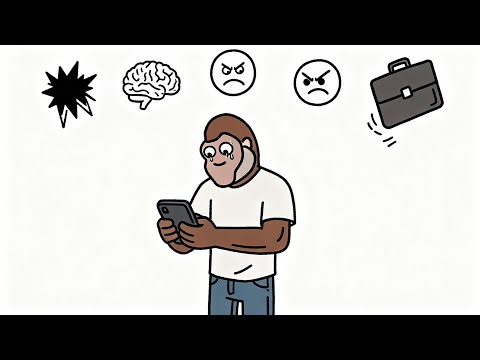
Hey there! So, let’s talk about something a bit stressful: flying. Yeah, you know that feeling when your stomach drops just thinking about planes?
Este blog ofrece contenido únicamente con fines informativos, educativos y de reflexión. La información publicada no constituye consejo médico, psicológico ni psiquiátrico, y no sustituye la evaluación, el diagnóstico, el tratamiento ni la orientación individual de un profesional debidamente acreditado. Si crees que puedes estar atravesando un problema psicológico o de salud, consulta cuanto antes con un profesional certificado antes de tomar cualquier decisión importante sobre tu bienestar. No te automediques ni inicies, suspendas o modifiques medicamentos, terapias o tratamientos por tu cuenta. Aunque intentamos que la información sea útil y precisa, no garantizamos que esté completa, actualizada o que sea adecuada. El uso de este contenido es bajo tu propia responsabilidad y su lectura no crea una relación profesional, clínica ni terapéutica con el autor o con este sitio web.
Honestly, it’s super common. Lots of folks feel that way. I mean, who wouldn’t get a little freaked out when you’re 30,000 feet in the air?
But here’s the good news: there are ways to tackle that fear. Seriously!
Imagine being able to sit back, relax, and enjoy the clouds instead of gripping your armrest like it’s a lifeline. Sounds awesome, right? Let’s dig into some strategies and stories about overcoming aviation anxiety together!
Understanding Why Fear of Flying is Unfounded: A Rational Perspective
We all know that feeling of tension when you step onto an airplane. That tightness in your chest? Totally normal. Fear of flying, or aviophobia, is more common than you might think. But here’s the kicker: that fear is often based on misconceptions rather than reality. Let’s break it down.
1. Statistical Safety
First off, let’s talk numbers. Statistically speaking, flying is one of the safest modes of transportation out there. You’re way more likely to be injured in a car accident than in a plane crash! In fact, according to some studies, the odds of being involved in a plane crash are approximately 1 in 11 million. So when you’re sitting on that plane, statistically speaking, you’re better off than most drivers on the road.
2. How Airplanes Work
Okay, let’s geek out for a second about how airplanes actually work. Ever played a video game where you have to keep your character balanced? Well, planes are designed with safety measures and redundancy systems that keep them flying smoothly even if something goes wrong. Pilots go through extensive training and simulations that prepare them for all sorts of situations—like dodging thunderstorms or handling engine failures.
3. The Role of Turbulence
Now about turbulence—it’s like hitting a bump while driving over a pothole; annoying but nothing to freak out over! Planes are built to handle turbulence better than you’d expect; they can withstand forces way beyond what you’d experience during those bumpy moments. So just remember: it might feel wild when you’re up there bouncing around, but it’s totally normal.
4. Psychological Factors
Here’s where emotions come into play. Sometimes our brain plays tricks on us! Fear often comes from the unknown; maybe you’ve heard horror stories or seen movies where flying goes wrong (thanks for that one, Hollywood). Learning about what actually happens during flights can demystify it and help ease your mind.
5. Therapy Options
For those who find their fear overwhelming, there are ways to tackle it—seriously! Therapy options like cognitive-behavioral therapy (CBT) help reframe negative thought patterns related to flying and replace them with healthier and rational ones! Exposure therapy is another method where individuals gradually face their fear in controlled environments (think virtual flights).
And this is crucial: working with mental health professionals can offer personalized strategies tailored just for you.
So what’s the takeaway here? When you feel anxious before your next flight, remind yourself it’s all about understanding the facts and not letting fear control you. Knowledge really is power! And while this info can help ease anxiety, don’t forget: if your fear feels unmanageable, talking to someone who knows their stuff—like a therapist—is always a smart move.
So next time you’re at the airport feeling those jitters? Take a deep breath—you got this!
Effective CBT Worksheet for Overcoming Fear of Flying
Okay, let’s chat about overcoming that fear of flying. For a lot of folks, climbing aboard a plane can feel as scary as jumping off a cliff. But here’s the good news: there are techniques to help you chill out before your next flight. One of these techniques is called Cognitive Behavioral Therapy (CBT). It’s all about identifying those pesky thoughts that bubble up when you think about flying and flipping them on their head.
So, first off, you might be wondering what CBT really involves. Well, it’s like playing a game where you challenge your thoughts instead of just accepting them. You know when you’re playing Mario and you hit a block to see what’s inside? Think of CBT as hitting those tricky thoughts and seeing if they really hold any weight.
Here’s how an effective CBT worksheet looks—don’t worry, it’s way simpler than it sounds:
- Identify Your Fear: Write down what scares you about flying. Is it turbulence? The thought of crashing? Whatever it is, spill the beans.
- Rate the Intensity: On a scale from 1 to 10, how intense is that fear? You might feel like it’s an 11 at times, but try to be honest.
- Challenge Those Thoughts: Take each fear and ask yourself if it’s realistic. For example, if you’re worried about crashing, look up statistics on aviation safety—it’s pretty reassuring!
- Explore Alternative Thoughts: Replace negative thoughts with positive ones. Instead of thinking “I’m going to crash,” tell yourself “Planes are safer than cars.”
- Create an Action Plan: Figure out small steps toward facing your fear. Maybe start by visiting an airport or sitting in a stationary plane before actually taking off.
Let me share a quick story: A friend of mine was terrified of flying because she used to think pilots were just regular people who could make mistakes like anyone else—totally understandable! When she started working through ideas using this worksheet approach, she discovered lots of cool facts about pilot training and plane technology. Did you know pilots train for years? Seriously! That knowledge helped her turn her anxiety into excitement for her upcoming trip.
And hey, don’t forget that coping strategies are super handy too! Breathing exercises can help calm those nerves right before takeoff. Try this: inhale deeply for four counts, hold it for four counts, then slowly exhale for six counts. You know what I mean?
Remember though—not everyone can go through this alone! If your fear is really overwhelming or gets in the way of living life fully (like missing family events because they’re far away), reaching out to a mental health professional who can help tailor strategies specific to you might be best.
Flying doesn’t have to feel like facing a dragon every time. With these tools and some practice, you’ll be feeling more at ease in no time! So keep at it—you’ve got this!
Effective Exposure Therapy Techniques for Overcoming Fear of Flying
So, let’s get into the nitty-gritty of overcoming that pesky fear of flying, shall we? You know, a lot of people feel anxious about flying. It’s totally normal! But if your fear is holding you back from adventures or important trips, then maybe it’s time to explore some effective exposure therapy techniques.
Exposure therapy is about gradually facing what scares you in a safe way. The goal? To lessen your fear over time until it becomes less overwhelming. Here are some techniques that might help:
- Imaginal exposure: This one’s like a game for your mind. Picture yourself at the airport, walking onto the plane, and taking off. The idea is to visualize every detail until it feels more familiar—and less scary.
- Virtual reality (VR): If you’ve got access to VR tech, you’re in luck! Many programs offer realistic flying experiences without ever leaving the ground. You can practice being on a plane while sitting comfortably at home.
- Gradual exposure: Start small! Perhaps watch videos of planes taking off or just being at an airport. Then go on to visiting an airport without actually flying. Each step should feel manageable but also slightly challenging.
- Flight simulations: Ever played flight simulator games? They can be super helpful! They let you experience what flying feels like through controls and visuals without any actual air travel. This could help reduce anxiety when it’s time for the real deal.
- Real-life experience: Once you’re ready, plan a short flight—maybe just an hour or two long. Take someone with you who understands your fear so they can provide support.
You might be thinking: “Okay, but what if I still freak out?” That’s totally valid! Some people find comfort in coping strategies like deep breathing or positive affirmations during flights. For instance, focus on reminding yourself that millions fly safely every year.
And hey, here’s a little anecdote: I have this friend who was terrified of flying after watching a movie about airplane accidents—you know how those films can really get under your skin? She decided to face her fears head-on by doing gradual exposure therapy. First, she watched planes take off from a distance; then she visited an airport just to soak up the atmosphere before finally boarding an actual flight with the support of her partner by her side. It wasn’t easy for her at all, but now she flies across the country with confidence!
But remember: while these techniques can be effective, they don’t replace professional guidance if your fear feels too intense to handle alone. A trained therapist can provide tailored strategies and support.
All in all, facing your fear isn’t something that happens overnight—it takes patience and practice! And who knows? Next time someone mentions flying somewhere cool, you just might be ready to join in on the fun!
Alright, let’s talk about flying. You know the feeling when you see someone boarding a plane, and they look excited? And then there’s that other person gripping their armrest like it’s a life raft. Yeah, that’s aviation anxiety for you. It’s real, and it can be super overwhelming!
I remember this one time I was on a flight with a friend who absolutely hated flying. Like, we spent the whole week before our trip going over every little detail of the flight – where we’d sit, how much turbulence to expect (even though neither of us were pilots!), and what snacks we’d bring to distract from any potential freak-outs. Honestly, it was kind of adorable but also heart-wrenching watching her panic build up as boarding approached.
So why do some of us feel this intense fear while others are all about those window views? Well, fear of flying can stem from various sources – maybe it’s a past experience or just the general lack of control when you’re soaring thousands of feet in the air. And get this: studies suggest that around 1 in 3 people feel anxious about flying to some degree. That’s a lot of armrest-grippers!
Now, let’s explore some ways therapy can help with aviation anxiety. Cognitive Behavioral Therapy (CBT) is often recommended because it targets those pesky thought patterns making your heart race. It’s all about reshaping how you think about flying — like viewing it as an adventure instead of a potential disaster.
And then there are exposure therapies where you gradually face your fear in a controlled way. Maybe it starts with just visiting an airport or watching videos of takeoffs and landings before eventually stepping onto an actual flight! It sounds daunting at first but oh man, so many have found success through this.
It’s like climbing up a mountain; you don’t just jump to the top—you take steps one at a time until you reach your peak! So if you’re feeling scared about flying, remember you’re definitely not alone in this journey.
In the end though, whether it’s talking things out with someone or just breathing deeply before takeoff—finding what works for you is key. Take baby steps if needed! Before long, you’ll be that person waving goodbye at security with excitement instead of dread. Who knows? You might actually start looking forward to those refreshments on board!