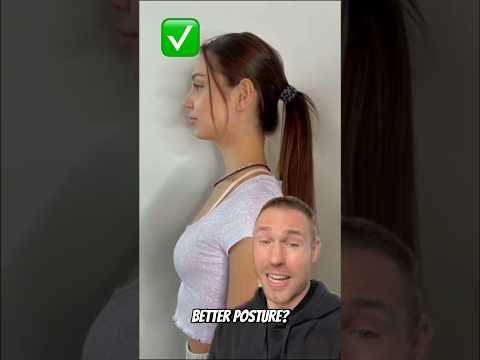
Hey you! So, let’s talk about something that might’ve been creeping up on you—literally. Kyphosis, or that hunchback thing we often joke about, can seriously mess with your day-to-day life. I mean, there are days when I feel like a pretzel just sitting at my desk! You know what I mean?
Este blog ofrece contenido únicamente con fines informativos, educativos y de reflexión. La información publicada no constituye consejo médico, psicológico ni psiquiátrico, y no sustituye la evaluación, el diagnóstico, el tratamiento ni la orientación individual de un profesional debidamente acreditado. Si crees que puedes estar atravesando un problema psicológico o de salud, consulta cuanto antes con un profesional certificado antes de tomar cualquier decisión importante sobre tu bienestar. No te automediques ni inicies, suspendas o modifiques medicamentos, terapias o tratamientos por tu cuenta. Aunque intentamos que la información sea útil y precisa, no garantizamos que esté completa, actualizada o que sea adecuada. El uso de este contenido es bajo tu propia responsabilidad y su lectura no crea una relación profesional, clínica ni terapéutica con el autor o con este sitio web.
But it doesn’t have to be that way. There are actually some cool strategies for self-care that can help you straighten things out and feel way better. Seriously, small changes can make a big difference.
Imagine standing tall and feeling proud instead of stuck in some weird slouch. That’s what we’re aiming for here! So, stick around as we chat about how to boost your posture and find relief from those aches. Trust me; you’ll want to give this a read!
Identifying Muscles Weaknesses Associated with Kyphosis: Key Areas of Concern
Alright, so let’s talk about kyphosis. You might have noticed this hunched posture that some folks develop over time. It can be caused by a bunch of factors, like aging, poor posture, or even certain medical conditions. But what’s often overlooked is the muscle weakness that comes with it. Identifying these weaknesses can seriously help in managing kyphosis and improving your overall posture.
First off, it’s key to understand which muscles are usually affected when someone has kyphosis. Here are some areas you might want to focus on:
- Chest Muscles: The pectoral muscles can become tight due to slumping forward. This tightness pulls your shoulders inward and makes it hard to pull them back.
- Upper Back Muscles: The rhomboids and trapezius muscles may weaken from being overstretched. These muscles are crucial for pulling your shoulder blades together.
- Core Muscles: Weak abdominal muscles don’t support your spine properly, making you more likely to slouch.
- Lower Back Muscles: The erector spinae help keep the spine straight, so if they lack strength, maintaining good posture becomes tough.
You see, kyphosis isn’t just about that visible hunch; it’s also about how certain muscles work (or don’t work). For example, think about a video game character who needs strong legs for jumping high but struggles because their strength is focused elsewhere—just like how our bodies need balanced muscle strength for good posture!
A personal story comes to mind here: I once had a buddy who worked long hours at a desk job. You could really see his shoulders rounding forward and his upper back getting weaker over time. He started doing exercises aimed at strengthening his upper back and core—things like rows or planks—and after several weeks, he not only felt better but could sit at his desk without feeling completely drained by the end of the day!
If you’re dealing with kyphosis or noticing these weaknesses in yourself or someone else, there are some self-care strategies worth considering:
- Stretching: Focus on stretching the chest muscles regularly. It helps release tension and improve shoulder mobility.
- A strengthening routine: Incorporate exercises that target the upper back and core. Rows with resistance bands or even just body-weight exercises can make a difference.
- Posture awareness: Always be mindful of your sitting and standing positions throughout the day; setting reminders on your phone can help!
The thing is—it’s great to take these steps towards better posture and muscle balance! But remember, this info doesn’t replace professional advice or treatment plans tailored specifically for you. If things feel off or you have concerns about kyphosis, definitely chat with a healthcare provider who knows their stuff.
In summary: recognizing muscle weaknesses linked with kyphosis is super important in tackling that hunched look. With some mindful exercises focused on strength and flexibility—you’re well on your way to feeling more aligned!
Effective Kyphosis Exercises: Download Your Comprehensive PDF Guide for Better Posture and Well-Being
Hey there! So, let’s talk about kyphosis and how you can give your posture —and your back— a bit of love. Kyphosis is that lovely curve in the upper spine that can sometimes take on a more exaggerated look, making you feel less than fabulous. If you’ve found yourself slouching or feeling discomfort in your back, this is for you!
Understanding the Basics
Before jumping into exercises, it’s good to know what’s going on with your body. Kyphosis can come from poor posture, aging, or even certain medical conditions. It can cause discomfort and might make you feel a bit self-conscious. So, getting proactive about it is key!
Effective Exercises for Better Posture
Here are some exercises you can do to help improve that rounded back:
- Chest Stretch: Stand in a doorway and place your arms on the frame. Lean forward gently until you feel a stretch across your chest. Hold it for 15-30 seconds. Repeat a few times.
- Cat-Cow Stretch: Get on all fours and alternate between arching your back (like a cat) and dropping it (like a cow). This helps with flexibility and movement.
- Wall Angels: Stand against a wall with your feet about six inches away from it. Keep your lower back pressed against the wall as you raise your arms up and down like you’re making snow angels!
- Strengthening Your Upper Back: Do some rows with light weights or resistance bands to strengthen those muscles that help keep everything upright.
- Pilates or Yoga: Both practices are fantastic for building core strength and improving posture through controlled movements.
Try to do these exercises a few times each week to see improvement over time.
Lifestyle Changes Matter Too
You know what? It’s not just about exercising; it’s also about how you live day-to-day! Consider these tips:
- Sit Up Straight: When you’re sitting at work or playing games—seriously, every little bit counts—try to keep that spine straight.
- Ergonomic Setup: Make sure your desk chair supports your lower back. It makes a huge difference!
- Taking Breaks: If you’re sitting for long stretches—whether gaming or working—get up every 30 minutes to stretch out.
Anecdote Time!
Okay, let me share something personal here. A friend of mine was struggling with her posture because she works long hours at her desk—sound familiar? She started doing simple stretches while watching her favorite Netflix show (you know we all have that one series!). Within weeks, she felt less tension in her neck and shoulders, plus she looked more confident too!
The Bottom Line
Remember, while these exercises can be helpful for managing kyphosis and improving posture, they’re not substitutes for professional guidance if you’re dealing with severe issues or pain. Always consider reaching out to a healthcare provider if things aren’t feeling right.
So there you go! Keep at those stretches and be mindful of how you’re positioning yourself throughout the day; after all, care for your spine is care for yourself!
Essential Kyphosis Exercises to Avoid for Better Spine Health and Confidence
When it comes to taking care of your spine and tackling kyphosis, it’s essential to know what to do—and what to avoid. Kyphosis, or that hunched-over look, can really affect not just your health but also your confidence. Let’s break down some key exercises you should steer clear of, plus some alternatives that’ll put you on the right path.
First off, let’s chat about why it’s so vital to be cautious with exercise. Some moves might seem harmless but can actually worsen your posture or pain. Listening to your body is key—if something doesn’t feel right, it probably isn’t! Here are a few exercises that typically don’t play nice with kyphosis:
- Crunches: While these may seem like a go-to for core strength, they can contribute to rounding your spine even more.
- Overhead lifts: If you’re lifting weights above your head without the proper form, this can easily lead to extra strain on an already compromised spine.
- Toe touches: Bending forward too much while reaching for your toes can worsen that rounded back situation.
- Certain yoga poses: Some poses—especially those requiring deep forward bends—may not be suitable if you have significant kyphosis.
I remember a friend who thought doing 100 crunches every day would get rid of his back pain and help him build abs. He didn’t realize he was actually making things worse! It’s all about balance and choosing the right exercises.
Now let’s talk alternatives! You’ve got plenty of options that can help improve posture and strengthen your back without causing harm:
- Wall angels: Stand against a wall and slide your arms up and down while keeping them in contact with the wall. This helps open up those tight areas!
- Chest stretches: Simple stretches where you clasp your hands behind your back and pull gently; it feels great and counters all that hunching over.
- The bird-dog exercise: Get on all fours, extend one arm forward and the opposite leg back—it helps stabilize the spine while building strength.
- Pillows for support: While sitting or resting, use pillows around you for better lumbar support; comfy positions can work wonders!
A little tip: think of these exercises like leveling up in a video game. You need the right moves in order to advance without getting stuck or losing health points (or in this case, straining your back).
Always remember that making changes on your own is just fine, but consulting with a professional is super important too—like a physical therapist or chiropractor who understands kyphosis well. They’ll guide you better than any random blog post ever could!
Taking care of yourself is not just about avoiding certain exercises; it’s about embracing new habits for lasting relief. Keep at it! Your confidence will thank you later!
You know, sometimes when you’re feeling a bit off, it can be traced back to something as simple as your posture. Take Kyphosis, for example. It’s that hunching of the back, and while it might just seem like a physical issue, it can get into your head too. I remember a friend who had this thing going on; she’d be sitting upright in meetings, but there was that little hunch creeping up whenever she relaxed. I mean, it’s like her body was constantly reminding her of discomfort.
So what can you do about it? A big part of managing kyphosis is some self-care strategies that focus on both posture and relief. First off, let’s talk about awareness—you know? Just recognizing how you’re holding yourself throughout the day really makes a difference. Try to check in with yourself often. Are you slouching on the couch while binge-watching your favorite show? Seriously, just pulling those shoulders back for a few minutes can feel so good.
Now let’s not forget about movement! Stretching is like your best buddy here. Gentle spinal stretches help open things up and alleviate tension—you don’t need to be a yoga expert for this! Just think of basic stretches, like reaching for the ceiling or doing some gentle side bends. I’ve found that even just rolling my shoulders back a few times brings instant relief.
And hey, if you’re working at a desk—who isn’t these days?—try adjusting your chair or using an ergonomic setup. Your workspace should support you rather than contribute to the slouch! A good chair can seriously change your game.
Remember to take breaks too! You get caught up in tasks and suddenly it’s three hours later and you’re still in that weird position. Stand up! Give yourself permission to move around; you’ll boost circulation and give those muscles a break.
Lastly, breathing techniques can play into all this as well. Deep breathing helps relax tight muscles and offers some mental clarity too because who doesn’t need that during stressful days? Just taking a moment to breathe deeply can bring you back into alignment—physically and mentally.
In the end, dealing with kyphosis isn’t just about tackling the physical symptoms—it’s about nurturing yourself holistically! You deserve to feel good in your own skin whether you’re strutting down the street or lounging at home watching Netflix. So go on; give yourself some love through these little changes!

