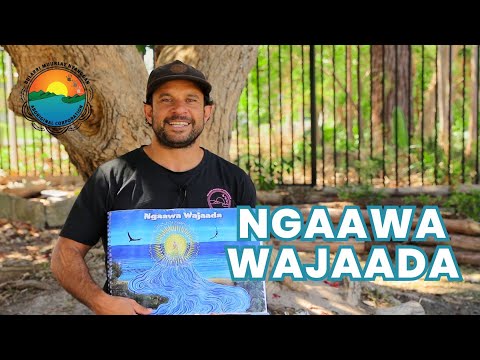
Hey! So, let’s chat about something really cool: the Gumbaynggirr language and culture. Seriously, it’s all about a rich history and beautiful stories that need a spotlight.
Este blog ofrece contenido únicamente con fines informativos, educativos y de reflexión. La información publicada no constituye consejo médico, psicológico ni psiquiátrico, y no sustituye la evaluación, el diagnóstico, el tratamiento ni la orientación individual de un profesional debidamente acreditado. Si crees que puedes estar atravesando un problema psicológico o de salud, consulta cuanto antes con un profesional certificado antes de tomar cualquier decisión importante sobre tu bienestar. No te automediques ni inicies, suspendas o modifiques medicamentos, terapias o tratamientos por tu cuenta. Aunque intentamos que la información sea útil y precisa, no garantizamos que esté completa, actualizada o que sea adecuada. El uso de este contenido es bajo tu propia responsabilidad y su lectura no crea una relación profesional, clínica ni terapéutica con el autor o con este sitio web.
Imagine this—an entire way of communicating that connects people to their land, their ancestors, and each other. Pretty special, right?
You know what? It’s not just words; it’s a whole vibe. The sounds and stories tell of deep relationships with nature and tradition.
Why should you care? Well, learning about Gumbaynggirr is like opening a window to a vibrant world that’s often overlooked. So come along as we explore its significance together!
Gumbaynggirr History: Understanding the Cultural and Psychological Landscape of an Indigenous Community
The Gumbaynggirr people are one of the Indigenous communities of Australia, located mainly on the northern coast of New South Wales. Their history is rich and complex, reflecting a deep connection to the land and a vibrant cultural identity.
Language plays a huge role in Gumbaynggirr culture. The Gumbaynggirr language, part of the Pama-Nyungan language family, is not just a form of communication but also a vessel for cultural stories and traditions. It helps transmit knowledge from one generation to another. When you speak Gumbaynggirr, it feels as if you’re stepping right into their world—every word can carry significant meaning.
- Connection to land: The Gumbaynggirr people’s relationship with their land is spiritual. They know every river bend and tree like it’s a member of their family.
- Traditional practices: Their ceremonies and gatherings are rooted in ancient customs that teach respect for nature. For instance, seasonal camping is not just about enjoying the outdoors; it’s about recognizing cycles in nature.
- Cultural resilience: Despite historical challenges like colonization, they have worked tirelessly to keep their traditions alive. This includes reviving the Gumbaynggirr language which had nearly disappeared.
You know what’s fascinating? When I think about how they passed down stories, I can’t help but think of how we often share news with friends over games or sports. It’s that same energy! They’d gather around fires telling tales—sometimes using songs or dances—just like we might hype up our teams at a game.
This sense of community isn’t just for show; it has profound psychological benefits too. Studies show that a strong connection to one’s culture can improve mental health outcomes. For the Gumbaynggirr people, their cultural practices offer comfort and resilience in challenging times.
- Mental well-being: Engaging in cultural traditions can be therapeutic. Singing songs in their native tongue provides emotional release and strengthens identity.
- Sense of belonging: Gathering together fosters relationships that are crucial for social support. Remember those game nights with friends? That sense of camaraderie matters immensely!
- Cultural revitalization: The ongoing efforts to revive language acts as a bridge between past and present—enriching today with lessons from yesteryear.
The Gumbaynggirr community illustrates how vital it is to understand not only the history but also the psychological landscape. This understanding brings us closer to appreciating their journey and resilience in contemporary society.
If you’re curious about this topic or feel like you need more information on related subjects, consider reaching out to local resources or experts who specialize in Indigenous history or psychology. You know? There’s always more to learn!
Comprehensive Gumbaynggirr Language Dictionary: A Resource for Cultural Preservation and Cognitive Connection
Let’s talk about the Gumbaynggirr language. It’s really more than just a way of communicating; it’s a key to understanding the culture and history of the Gumbaynggirr people. So, what makes this language so special? Here are some insights into its significance.
- Cultural Identity: The Gumbaynggirr language is deeply intertwined with the identity of its speakers. It carries stories, traditions, and knowledge passed down through generations. Losing it would mean losing a piece of their identity.
- Connection to Land: Language often reflects how people interact with their environment. For the Gumbaynggirr, many words describe their landscape, plants, and animals. For instance, specific terms might refer to local weather patterns or seasonal changes that are vital for survival.
- Cognitive Connection: Learning a language like Gumbaynggirr isn’t just about vocabulary; it’s about thinking in a different way. Each word has nuances that can shape how you view the world. It can expand your cognitive abilities by introducing new concepts and perspectives.
- Preservation Efforts: There has been an ongoing effort to create resources like a comprehensive dictionary for the Gumbaynggirr language. This helps ensure that future generations can learn and use it.
- Community Engagement: Involving community members in these efforts fosters pride and inspires others to learn the language. Workshops and storytelling sessions have been effective in engaging younger generations.
You know what? Just having a dictionary isn’t enough on its own; it needs to be used! Imagine your friend trying to play some traditional games that require terms from Gumbaynggirr – they’d need to understand not just words but also cultural practices linked to those games.
Remember when you played charades? You had to get creative with gestures because no one knew each other’s words perfectly! That’s kind of how learning a new language works too; it takes practice and context.
Using resources like dictionaries helps preserve not just words but also cultural wisdom tied to those words. So when you look up “kala,” which means “fish,” you’re not just learning about fish – you’re tapping into ancient methods of fishing used by the Gumbaynggirr people.
This effort goes beyond just speaking; it leads to broader conversations about history, tradition, and relationships within communities—all super important components of human connection!
So keep this in mind: while these resources are incredible for preserving culture, they don’t replace experiencing those languages firsthand through conversation or immersion in community activities. Each word you learn opens another door into rich cultural landscapes waiting for you to explore!
Understanding Gumbaynggirr Culture: Traditions, Values, and Community Well-Being
Gumbaynggirr culture is rich and diverse, deeply rooted in the land and its stories. It’s not just about traditions; it’s about a way of life that emphasizes community well-being, respect for nature, and cultural integrity.
Language plays a crucial role in Gumbaynggirr culture. The Gumbaynggirr language isn’t merely a means of communication; it carries the history and values of the people. When you hear elders speaking in their language, you’re listening to generations of knowledge being passed down. It’s like opening a book that tells stories of connection, identity, and belonging.
- Traditions: Traditional practices are significant in maintaining cultural identity. Ceremonies often involve music, dance, and art that reflect the land’s spirit. Did you know some dances mimic animal movements? These aren’t just performances; they’re a way to show respect for nature.
- Values: Central to Gumbaynggirr culture are values like kinship and community cooperation. Everyone plays a part in taking care of each other. For instance, take a look at communal activities like fishing or gathering bush tucker; they reinforce bonds and teach younger generations essential survival skills.
- Community Well-Being: Well-being goes beyond physical health here; it’s about emotional health too. Elders often tell stories during gatherings which create an understanding of one’s place within the community. Feeling connected boosts self-esteem and fosters resilience among individuals.
A little anecdote: I once attended a Gumbaynggirr gathering where an elder recounted tales of lost knowledge through song and dance. The kids were mesmerized! You could see their eyes wide with curiosity and respect—what a beautiful way to pass on heritage!
The significance of these elements can’t be underestimated. They shape individual identities while promoting social cohesion within the community, which is fundamental for overall happiness and stability.
This cultural framework teaches us valuable lessons about societal needs—not just for Gumbaynggirr people but for all communities seeking harmony in diversity. So much wisdom lies in embracing our roots while caring for each other! And remember: if you ever feel lost or need guidance related to mental health or cultural appreciation, seeking professional help is always the best route.
So, let’s talk about Gumbaynggirr, right? It’s one of those Indigenous languages from Australia that really carries a ton of meaning and history. Honestly, when you dive into it, you realize it’s not just a way to communicate; it’s like opening up this entire universe of culture and identity.
You know, I remember chatting with a friend who was doing some research on Indigenous languages and cultures. They shared a story about attending a community event where the Gumbaynggirr language was being celebrated. It wasn’t just speeches and language lessons; there were songs, dances, and stories woven throughout the day. My friend felt this incredible sense of connection—not just to the people there but to something bigger than all of us. It was like stepping into a living tapestry of history!
Language is such a powerful thing. With Gumbaynggirr, each word holds layers of meaning that often relate back to the land or their ancestral stories. It’s not just vocabulary; it’s about how the Gumbaynggirr people see their world—how they respect nature, each other, and their ancestors. There are terms in Gumbaynggirr that describe things we can’t even articulate in English—it’s mind-blowing!
The significance of preserving languages like Gumbaynggirr goes beyond simply keeping words alive; it’s about cultural survival too. When younger generations learn their language and traditions, they’re anchoring themselves to their identity in an ever-changing world. You see? It reconnects them with their roots and builds pride.
However, there are challenges too. Historically, many Indigenous languages have faced threats from colonization and globalization—it’s heartbreaking to think that specific words or phrases could disappear entirely! But there’s also resilience in these communities as they work hard to revitalize their language through education programs and cultural initiatives.
All in all, Gumbaynggirr isn’t just a language; it’s an experience rooted deeply in culture and identity that reminds us all how connected we are—no matter where we come from! So taking time to learn about it can help bridge gaps between cultures while celebrating what makes each unique! You with me?