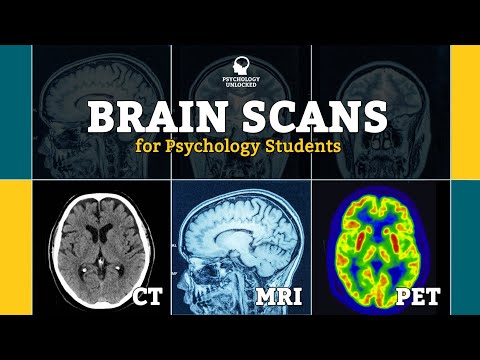
Hey! So, have you ever wondered what’s really going on inside your head? I mean, our brains are like these super complex computers, right? But how do we actually see what’s happening in there?
Este blog ofrece contenido únicamente con fines informativos, educativos y de reflexión. La información publicada no constituye consejo médico, psicológico ni psiquiátrico, y no sustituye la evaluación, el diagnóstico, el tratamiento ni la orientación individual de un profesional debidamente acreditado. Si crees que puedes estar atravesando un problema psicológico o de salud, consulta cuanto antes con un profesional certificado antes de tomar cualquier decisión importante sobre tu bienestar. No te automediques ni inicies, suspendas o modifiques medicamentos, terapias o tratamientos por tu cuenta. Aunque intentamos que la información sea útil y precisa, no garantizamos que esté completa, actualizada o que sea adecuada. El uso de este contenido es bajo tu propia responsabilidad y su lectura no crea una relación profesional, clínica ni terapéutica con el autor o con este sitio web.
Well, brain imaging techniques have come a long way. Seriously, it’s mind-blowing! We’ve got some pretty cool tools now that let us peek into the brain while it’s doing its thing.
From figuring out why we feel what we feel to understanding how memories work, these advances are changing the game. They’re helping researchers unlock mysteries that were totally hidden before.
So buckle up! We’re diving into the fascinating world of brain imaging and checking out how it’s impacting everything from medicine to our everyday lives. Ready? Let’s go!
Advances in Brain Imaging Techniques: Applications and Insights in Psychological Research
Brain imaging techniques have seriously transformed how we understand the brain and its connection to behavior. You know, a few decades ago, researchers were struggling to peek inside our heads and analyze what was going on up there. But now? Well, it’s a whole new ball game!
- Functional Magnetic Resonance Imaging (fMRI): This technique measures brain activity by detecting changes in blood flow. When a part of your brain is more active, it needs more oxygen, and fMRI can show that change in real time. It’s like watching a highlight reel of your brain in action!
- Positron Emission Tomography (PET): PET scans help visualize how your brain uses glucose. By injecting a small amount of radioactive material, researchers can see which areas are «lit up» during certain tasks or while at rest. It’s kind of like tracking the hottest hotspots in your favorite video game—only this one happens inside your skull!
- Electroencephalography (EEG): This method involves placing electrodes on the scalp to measure electrical activity in the brain. It’s super useful for studying things like sleep cycles or how you respond to different stimuli. Imagine wearing a cool cap that tells you when you’re super focused or just daydreaming about pizza.
So, why does all this matter? Well, these techniques have allowed psychologists to dive deeper into understanding various mental health conditions and cognitive processes.
Take anxiety disorders as an example. Researchers can use fMRI to identify patterns in brain activity that coincide with anxiety symptoms, which helps them develop better treatments tailored just for those specific patterns.
And let’s not forget about addiction! PET scans have provided crucial insights into how substances affect brain activity over time and what’s happening in those neural pathways associated with craving and reward. Think of it as unraveling the map of game levels where players keep going back for more!
These imaging techniques also shed light on developmental changes over time. For instance, you may have heard about studies involving adolescents’ brains using fMRI to see how risk-taking behaviors change as they grow older—it turns out there are some real differences compared to adults!
But here’s the catch: while these tools are powerful for research and even clinical practice, they’re not substitutes for professional help if you’re facing mental health struggles yourself. If you’re feeling overwhelmed or unsure about what you’re experiencing emotionally or mentally? Seriously consider reaching out to a professional.
In closing—no pun intended—the advances in brain imaging have deepened our understanding of psychology tremendously but remember that living life is far more nuanced than just numbers on a screen! So stay curious and keep exploring both neuroscience and yourself!
Comprehensive Guide to Brain Imaging Techniques: Understanding the PDF Resources Available
It seems like you’re looking to understand brain imaging techniques, which is super fascinating! Brain imaging is like giving a little peek into what’s happening inside our heads. So let’s break this down together, alright?
Brain imaging techniques are essential tools used in psychology and medicine. They help researchers and doctors see how the brain functions in real-time. This field has seen major advances lately, which means we’re getting a clearer picture than ever before.
First up, let’s talk about MRI (Magnetic Resonance Imaging). It uses powerful magnets and radio waves to create detailed images of the brain’s structure. Think of it as taking a really detailed photo of your friend at a party—every little detail is captured without them even knowing! Doctors use MRIs to find problems like tumors or to observe any structural changes in the brain.
Then there’s fMRI (Functional Magnetic Resonance Imaging). This one takes it a step further by not just showing brain structure but also how active different areas are during various tasks, kind of like watching players move around on a sports field. When you’re doing something that requires concentration—like solving a puzzle game—fMRI can show which part of your brain lights up! It’s pretty cool: you can literally see where all the action is happening.
Another technique worth mentioning is CT scans (Computed Tomography). These are quick and great for emergencies. They take several X-ray images from different angles and combine them into one detailed picture. Imagine spinning around with your phone snapping pics; CT scans do something similar but with medical tech.
Now, let’s dive into EEG (Electroencephalography). Instead of images, this technique records electrical activity in your brain using small sensors placed on your scalp. It’s kind of like tuning into your favorite radio station but for brainwaves! EEGs are especially useful for studying issues like seizures or sleep disorders.
There’s also PET scans (Positron Emission Tomography), which lets us see how substances move through the brain. They inject a tiny amount of radioactive material to show blood flow and metabolic activity! Picture players running around an arena while someone tracks their every move from above—that’s what PET scans help researchers do!
So why does all this matter? Well, these techniques have applications beyond just diagnosing issues. They’re used in research to understand things like memory formation or the effects of drugs on the brain. Imagine developing better gaming strategies after observing how different parts of your mind work together while playing!
You’ll often find tons of PDF resources available online that go deeper into each technique, explaining their uses and benefits in more detail. Just remember: while reading about these advancements can be exciting, they don’t replace professional advice if you’re having concerns about your mental health.
Keep exploring this topic; it really opens up so many doors in understanding ourselves better! And next time you hear someone mention fMRI or EEG, you’ll be able to jump right into the conversation—and impress them with your newfound knowledge! Isn’t that awesome?
Exploring Brain Imaging Techniques in Psychological Research: Methods and Applications
Brain imaging techniques have been a game changer in psychological research. It’s like having a window into our minds. You know? Instead of just guessing how we feel or think, scientists can actually see what’s happening in our brains while we’re doing different tasks or experiencing emotions. Let’s get into it.
Functional Magnetic Resonance Imaging (fMRI): This is one of the most popular techniques. fMRI measures brain activity by detecting changes in blood flow. When a specific part of your brain is more active, it needs more oxygen, and this shows up on the scan.
- Example: Imagine playing your favorite video game and feeling really focused. fMRI can show which areas of your brain light up when you’re strategizing or shooting an enemy.
Then there’s Positron Emission Tomography (PET). PET scans use a small amount of radioactive material to measure metabolic processes in the brain. Basically, it helps us understand how different areas of the brain are functioning at any given moment.
- Example: A researcher might use PET scans to see how emotions like happiness or sadness affect brain activity by having subjects watch emotional clips.
Moving on to Electroencephalography (EEG). This method involves placing electrodes on your scalp to track electrical activity in your brain. It’s great for capturing real-time data, making it super useful for studying things like attention or sleep patterns.
- Example: Think about when you’re trying to solve a tricky puzzle—EEG can help identify when you’re deeply focused versus when you’re distracted by notifications from your phone!
Next up is Magnetoencephalography (MEG), which measures the magnetic fields produced by neuronal activity. It’s similar to EEG but gives even more precise information about where in the brain that activity is happening.
- Example: If you were playing a rhythm game that requires fast reactions, MEG could pinpoint exactly which part of your brain deals with timing and motor skills.
Finally, there’s Diffusion Tensor Imaging (DTI), a type of MRI that looks at white matter tracts in the brain. It helps researchers understand how different areas communicate with each other—like finding out highways connecting cities.
- Example: If someone has trouble with reading and writing, DTI might show disruptions in communication paths between language-related regions.
So why all this matters? Well, these imaging techniques open doors to understanding everything from mental illnesses to cognitive development. They can help psychologists better diagnose conditions like depression or anxiety by showing patterns related to those disorders.
But just remember: while these tools provide fascinating insights into our brains, they don’t replace therapy or professional help if you’re struggling with mental health stuff.
In the big picture, you could say that these imaging techniques guide us through what makes us tick—it’s like an adventure into the depths of our minds!
You know, brain imaging is one of those things that just blows my mind. Seriously, think about it for a second: we can actually see what’s happening inside our heads! It’s like having a window into our thoughts and emotions.
A few years back, I remember chatting with a friend who was going through some tough times. She was feeling really lost and anxious. We started talking about how stress affects us—you know, the racing thoughts, the constant worry. Then she mentioned that she was considering participating in a study using an fMRI scan (that’s functional Magnetic Resonance Imaging for those who don’t know). It made me realize just how far we’ve come in understanding what’s going on in our brains when we feel stuff like anxiety or sadness.
Now, fMRI is neat because it shows brain activity by detecting changes in blood flow. Basically, more blood means more activity because your brain needs fuel to do its thing. So researchers can actually see which parts of the brain light up when someone experiences certain feelings or engages in particular tasks. How cool is that?
Also, there are PET scans (Positron Emission Tomography), which give us info about how our brains metabolize sugar—yeah, even our brains need snacks! Both these techniques have opened doors to better understand everything from mental health disorders to how memories are formed.
And while they sound all technical and fancy-schmancy, think about the real-life implications! For example, these imaging techniques help doctors diagnose conditions like Alzheimer’s or Parkinson’s way earlier than before. That means there’s hope for treatments to help folks manage their symptoms before it gets out of hand.
But here’s where it gets a bit tricky: while this technology is amazing, it’s not perfect. Sometimes people can misinterpret what they see on scans or get too caught up in the numbers without seeing the whole person behind them. I mean, at the end of the day? Our experiences and emotions can’t always be summed up by a snapshot; they’re messy and complicated.
So yeah, as incredible as advances in brain imaging are—they’re just tools to help us paint a bigger picture of who we are as human beings. You know what? All this tech isn’t going to solve everything on its own; we still need to connect emotionally and support each other through life’s ups and downs.
In any case, whether you’re standing in front of an MRI machine or just having coffee with a friend who feels lost—the important part is being open to understanding ourselves better together. It makes all those technical advances feel less like distant science fiction and more like everyday magic within reach.