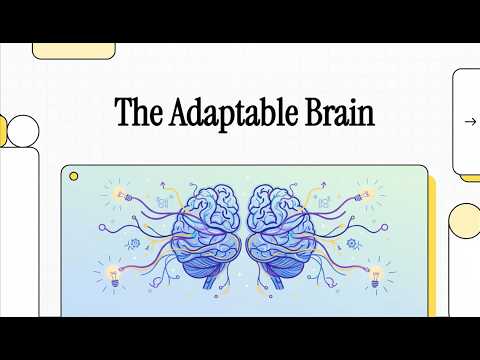
Hey you! Have you ever thought about what’s going on in that amazing brain of yours? Seriously, it’s like a universe in there.
Este blog ofrece contenido únicamente con fines informativos, educativos y de reflexión. La información publicada no constituye consejo médico, psicológico ni psiquiátrico, y no sustituye la evaluación, el diagnóstico, el tratamiento ni la orientación individual de un profesional debidamente acreditado. Si crees que puedes estar atravesando un problema psicológico o de salud, consulta cuanto antes con un profesional certificado antes de tomar cualquier decisión importante sobre tu bienestar. No te automediques ni inicies, suspendas o modifiques medicamentos, terapias o tratamientos por tu cuenta. Aunque intentamos que la información sea útil y precisa, no garantizamos que esté completa, actualizada o que sea adecuada. El uso de este contenido es bajo tu propia responsabilidad y su lectura no crea una relación profesional, clínica ni terapéutica con el autor o con este sitio web.
Every day, researchers are peeling back layers and discovering how our minds really work.
It’s wild to think about all the little mechanisms firing away in there. You know, the stuff that makes you happy, sad, or even just a bit confused sometimes?
And get this—these advancements are not just for scientists in lab coats! They’re touching our everyday lives more than we know.
So let’s take a stroll through the latest findings and see what’s shaking in the world of brain research! You with me?
Latest Findings on Neuroplasticity: Implications for Cognitive Function and Learning
Neuroplasticity, wow, it’s such a cool topic! Basically, it’s how our brains adapt and change throughout our lives. The latest research is showing us just how dynamic and flexible our brains really are. Let’s break this down a bit.
First up, you might be wondering what neuroplasticity actually means in simple terms. Well, think of it as your brain’s ability to rewire itself based on experiences. It can create new connections or strengthen ones that already exist. This is super exciting for cognitive function and learning!
Here are some key findings from recent studies:
- Learning New Skills: When you learn something new, like playing a musical instrument or mastering a video game, your brain forms new neural pathways. That’s why practice makes perfect!
- Recovery After Injury: If someone has a brain injury, neuroplasticity allows other parts of the brain to take over lost functions. This phenomenon shows that the brain is capable of healing itself to an extent.
- Cognitive Training: Engaging in activities like puzzles or strategy games can enhance cognitive functions by promoting neuroplastic changes. For example, playing chess can improve problem-solving skills due to the mental strategies involved.
- Mood and Environment: Stressful environments can hinder neuroplasticity, while positive experiences can boost it. So, creating a happy space around you helps your brain thrive!
So here’s an interesting anecdote: There was this study where an elderly group learned a new skill—like digital photography—and their memory improved significantly after just six months! Isn’t that fascinating? It shows how even at older ages, our brains still have room for growth.
Now let’s touch on implications for learning. You know those moments when you just “get” something? That’s neuroplasticity at work! When students engage with material that challenges them but also feels achievable, it promotes those all-important neural connections.
Also, technology plays a role here! Brain-training apps aimed at enhancing cognitive functions focus on tasks that encourage neuroplastic changes. Although these apps won’t substitute professional help if someone struggles with severe cognitive issues.
Lastly, remember this: while we want to harness neuroplasticity’s benefits for enhancing learning and cognition, it’s not magic! Everyone’s journey is different; some may find certain things easier than others.
So yeah, understanding these latest findings gives us hope about improving our minds no matter what stage we’re in life—by embracing new challenges and maintaining positive environments around us! Keep your curiosity alive; there’s still so much more to discover about how our brains tick!
Exploring Neuroplasticity: Latest Breakthroughs and Future Directions in Brain Science
Neuroplasticity is one of those topics in brain science that can really blow your mind. It’s like the brain’s ability to rewire itself, adapting to new experiences, learning, and even recovering from injuries. Pretty cool, right? Let’s explore some recent breakthroughs and what they mean for the future of neuroscience.
First off, neuroplasticity isn’t just about how we learn new things. It’s a lifelong process. Whether you’re mastering a new language or trying out a new video game, your neurons are busy making connections and strengthening pathways. Think of it as your brain getting a workout!
Recent research has shown that activities like meditation and mindfulness can boost this neuroplasticity. In one study, participants who practiced mindfulness for just a few weeks showed significant changes in brain structure! Yeah, they increased grey matter density in regions tied to memory and emotional regulation. Isn’t that astonishing? You can train your mind just like you train your body.
Now let’s dive into some key breakthroughs:
- Brain-Computer Interfaces (BCIs): These interfaces are enabling amazing things! They’re being developed to help people control devices directly with their thoughts. Imagine playing a game with just the power of your mind! Incredibly empowering for those with mobility challenges.
- Stem Cell Research: Scientists are investigating how stem cells might repair damaged neural circuits. This could potentially aid recovery from strokes or traumatic brain injuries.
- Virtual Reality (VR): Some researchers are using VR to create immersive environments that can stimulate neuroplastic changes through learning experiences. This technology could make rehabilitation after injury more engaging.
What’s really exciting is how these advancements may open doors for treating conditions like depression and anxiety through neuroplasticity-based therapies. For example, cognitive behavioral therapy (CBT) has been shown to cause actual changes in brain function! It’s all about reprogramming those thought patterns.
And then there’s the idea of «cognitive reserve,» which refers to the mind’s resilience against damage. Engaging regularly in challenging mental activities—like puzzles or strategy games—can actually build this reserve over time.
But let’s not forget: while these developments are exhilarating, they don’t replace professional help when it comes to mental health issues or neurological conditions. Always consult with professionals about any concerns you have regarding your cognitive health.
In short, exploring neuroplasticity continues to be an evolving journey filled with remarkable discoveries that may reshape our understanding of the brain! So next time you learn something new or tackle a challenge, remember—you’re literally changing your brain for the better!
Understanding Neuroplasticity: Its Role in Brain Recovery and Rehabilitation
Neuroplasticity is a fascinating concept. It’s like your brain’s ability to adapt and change, kind of like how a tree grows and bends to the light. When we talk about neuroplasticity in terms of recovery or rehabilitation, we’re basically discussing how our brains can rewire themselves after an injury or trauma.
- What Exactly is Neuroplasticity? It’s the brain’s way of reorganizing itself by forming new neural connections. This means that even if part of your brain gets damaged, other parts can take over those functions.
- The Role of Experience Think about when you learn a new skill, like playing an instrument or learning a language. Every time you practice, your brain forms new paths to help you get better. It’s not just a one-time thing; it’s a continuous process.
- Recovery After Injury After a stroke, for example, many people struggle with speech or movement. But with targeted therapy, their brains start forming new connections to regain these abilities. Imagine trying to reprogram a game that crashed – you need to find new routes for everything to work again!
- The Impact of Therapy Techniques like cognitive behavioral therapy (CBT) and physical rehabilitation play a huge role in harnessing neuroplasticity for recovery. They encourage practice and repetition, which helps strengthen those newly formed paths in the brain.
- Fun Fact: Age Matters! While neuroplasticity exists throughout your life, it tends to happen more easily when you’re younger. Think of kids learning languages – their brains are soaking it up faster than adults!
- The “Use It or Lose It” Principle If you don’t use certain skills or functions over time, those neural pathways can weaken and fade away. It’s kind of like forgetting how to ride a bike if you never do it again.
- Challenges Ahead Despite its promise, recovery isn’t always straightforward. Factors like motivation and mental health can influence outcomes significantly – mental blocks can slow down progress.
So here’s where it gets personal: I once knew someone who had suffered from a serious accident that affected their motor skills. For months, they had to relearn simple tasks – even just picking up objects! It was tough at first. But with consistent practice and support from therapists who understood the importance of neuroplasticity, they slowly started regaining control.
In conclusion – oops! I meant all in all! The science behind neuroplasticity shows us how resilient our brains truly are. While it opens doors for recovery and rehabilitation possibilities that sound almost magical sometimes, it’s crucial to keep in mind that professional help is vital along this journey.
You know what? If you or someone you know is dealing with brain injury or recovery challenges, reaching out for guidance and support can make all the difference!
Wow, brain research is like this wild rollercoaster ride, isn’t it? You think you get a grip on how our minds work, and then bam! There’s a new discovery that flips everything you thought you knew upside down. Seriously, just when I think I understand something about those mysterious neural networks in my noggin, researchers come out with findings that make me feel like I’ve been operating with a dial-up connection in a Wi-Fi world.
Like, let’s talk about those neural mechanisms for a second. It’s almost poetic to think about how these tiny cells are responsible for everything we do – from feeling joy to solving puzzles. I remember one time when my friend was struggling with anxiety. She described it as this tangled web in her brain — every worry and fear just looping back on itself. Listening to her made me realize how complex these processes are. It’s like there’s a wild party happening up there, but sometimes the music gets too loud or the lights flicker too much.
Researchers have been uncovering details about how our neurons communicate — it’s incredible! They send signals through synapses like messages being passed around at that party. But then there’s also the glial cells, which hang out mostly unnoticed but play such crucial roles in keeping things running smoothly. You could say they’re the behind-the-scenes heroes of brain function!
And let’s not forget neuroplasticity! That idea that our brains can change and adapt based on experience is mind-blowing. Like, if you practice an instrument or learn a new language, your brain literally rewires itself to accommodate those skills. Wow! Remembering trying to learn guitar as a teenager? The struggle was real! But every time I practiced, I felt like I was paving pathways in my brain.
But sometimes I wonder: are we losing the essence of what it means to just be human by focusing so much on dissecting all these mechanisms? There’s something beautifully chaotic about emotions and thoughts that doesn’t always fit neatly into scientific categories.
In the end, it’s both exciting and slightly overwhelming to think about where all this research will lead us next. It feels like staring into an endless puzzle where each piece holds secrets waiting to be uncovered. Who knows what they’ll find next? Maybe we’ll figure out even better ways to cope with life’s ups and downs or help someone else untangle their own mental web – and that would be pretty awesome too!


