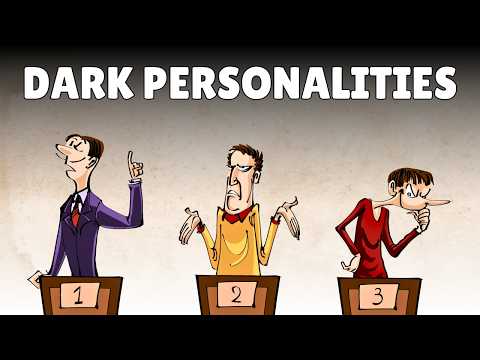
Ever met someone who just rubs you the wrong way? You know, that one person whose energy hits you like sandpaper?
Este blog ofrece contenido únicamente con fines informativos, educativos y de reflexión. La información publicada no constituye consejo médico, psicológico ni psiquiátrico, y no sustituye la evaluación, el diagnóstico, el tratamiento ni la orientación individual de un profesional debidamente acreditado. Si crees que puedes estar atravesando un problema psicológico o de salud, consulta cuanto antes con un profesional certificado antes de tomar cualquier decisión importante sobre tu bienestar. No te automediques ni inicies, suspendas o modifiques medicamentos, terapias o tratamientos por tu cuenta. Aunque intentamos que la información sea útil y precisa, no garantizamos que esté completa, actualizada o que sea adecuada. El uso de este contenido es bajo tu propia responsabilidad y su lectura no crea una relación profesional, clínica ni terapéutica con el autor o con este sitio web.
Yeah, abrasive personalities can be tough to handle. They might not mean to be grating, but something about their vibe just puts you on edge.
But hey, it’s not all bad. Getting to know what makes them tick can actually help in dealing with ’em. So, let’s take a peek into the wild world of abrasive personalities and see what we find!
Understanding Abrasiveness: Is It a Personality Disorder?
Abrasiveness is one of those terms that can stir up quite a bit of conversation. You know, if you’ve ever been around someone who just doesn’t know how to hold back their opinions, or who seems to constantly rub people the wrong way, chances are you’re dealing with an abrasive personality. But wait! Is it a valid personality trait or something more serious like a personality disorder? Let’s break this down together.
To start off, let’s clarify what we mean by abrasive personality. Essentially, it refers to individuals who tend to be harsh, blunt, or overly critical. They might come off as callous or rude without even realizing it. Imagine playing a game where one player constantly criticizes others on their strategy—doesn’t exactly make for a fun experience, right?
Here are some common characteristics of abrasive personalities:
- Blunt Communication: They often say what’s on their mind without thinking about how it might affect others. It can feel like they have no filter.
- Lack of Empathy: These individuals may struggle to understand the feelings and perspectives of others. They might not notice when someone is hurt by their words.
- High Sensitivity to Criticism: Ironically, while they dish out criticism freely, they often cannot handle it well themselves.
- Tendency Towards Confrontation: They might seek out conflict or respond aggressively when challenged.
But here’s the kicker: having an abrasive personality doesn’t automatically mean someone has a personality disorder. Personality disorders are diagnosed conditions characterized by enduring patterns of behavior that deviate from cultural expectations and cause distress or impairment in functioning. So while abrasiveness can be part of certain disorders—like Antisocial Personality Disorder or Narcissistic Personality Disorder—not every abrasive person meets the criteria for these diagnoses.
For example, I once knew someone named Jenna who was incredibly talented but had this knack for being super blunt about everyone’s ideas during group projects. At first glance, it seemed like she was just being abrasive. Over time though, we realized she genuinely thought her honesty would lead us to better results. She wasn’t trying to hurt anyone; rather, she had difficulty understanding when her words landed too hard.
So you might be wondering what causes this abrasiveness in people? Well:
- Life Experiences: Sometimes past experiences shape how we communicate and relate to others. Negative interactions may lead an individual to become defensive or overly critical.
- Cultural Background: Different cultures have varying norms around communication styles. What feels abrasive in one culture may seem totally normal in another.
- Lack of Social Skills: Some people simply haven’t learned appropriate ways to express themselves effectively without stepping on toes.
It’s essential to approach people with abrasive personalities with some understanding while still holding them accountable for their actions. You wouldn’t ignore a player throwing tantrums during the game; instead you’d want them to recognize how they’re affecting everyone else.
Now here comes the important part: If you’re dealing with someone whose abrasiveness negatively impacts your life—or even your mental health—it might be worth seeking help from a professional who can provide tailored strategies and support.
In the end,both understanding and compassion go hand-in-hand in navigating relationships with abrasive personalities. Whether you’re trying to manage one at work or within your friend group, keeping these points in mind could help smooth out some bumps along the way!
Understanding Abrasive Personalities: Key Examples and Their Impact on Relationships
It’s pretty common to encounter people with abrasive personalities. You know, those folks who seem to have a knack for rubbing others the wrong way? They can really throw a wrench in relationships, both personal and professional. Let’s break down what an abrasive personality is and how it can affect you.
Abrasive personalities often come off as harsh or blunt. They’re usually very direct, which can be a double-edged sword. On one hand, being straightforward can clear the air; on the other hand, it might hurt people’s feelings or create unnecessary tension. Here are some key characteristics that typify an abrasive personality:
- Lack of Empathy: They might not consider how their words affect others. Think of someone in your friend group who’s always making fun of your interests without realizing it stings a bit.
- Criticism Overload: If they give feedback, it’s often more critical than constructive. Like that one player in your gaming squad who never hesitates to point out every mistake but rarely celebrates victories.
- Emotional Intensity: These personalities might express their emotions loudly and passionately. So, if they’re upset, everyone around feels it—like the tension after losing a big match!
- Quick to Anger: Abrasive folks can flip their lid over little issues. Picture someone rage-quitting in a video game over a minor setback; it’s totally disproportionate!
You’ve probably felt the impact of this kind of personality before—maybe at work or even at home. An example could be dealing with a manager who criticizes team members openly during meetings instead of giving private feedback later on. This approach not only demotivates employees but could also lead to high turnover rates.
Understanding these traits is essential because it helps you navigate interactions better. It might mean setting boundaries or learning techniques to communicate effectively without escalating conflicts.
Let’s talk about some consequences these personalities can have on relationships:
- Trust Issues: People tend to guard themselves around abrasives since they fear judgment or ridicule.
- Increased Stress: Being around such individuals can raise anxiety levels for others because there’s always that worry about saying something wrong.
- Diminished Collaboration: In team settings, this personality type might cause friction that hampers productivity.
All this said, let’s face it: Abrasive doesn’t mean bad—it just means they communicate differently! Their directness can be refreshing sometimes; maybe they’re just trying to get straight to the point without all the fluff.
At the end of the day, you can’t change someone else’s personality—but you can control your own reactions and set healthy boundaries. If things get too intense or overwhelming, seeking guidance from a professional isn’t just okay—it’s smart! It helps equip you with tools for dealing with difficult situations.
So there you have it! A glimpse into abrasive personalities and their potential effects on our relationships. It’s like playing a co-op game; you need teamwork and communication skills to keep everything running smoothly—even when tensions run high!
Understanding Abrasive Personality Disorder: Symptoms, Causes, and Treatment Options
Abrasive Personality Disorder, often referred to as a type of personality disorder, encompasses a range of traits that can make interpersonal relationships challenging. People with this disorder might seem critical, overly dominant, or even hostile at times. It’s important to understand what this means if you or someone you know exhibits these behaviors.
Symptoms can vary widely, but here are some common characteristics:
- Overly harsh criticism: Individuals may frequently criticize others without constructive feedback.
- Short temper: They might get easily irritated or angry over minor issues.
- Lack of empathy: Showing little concern for the feelings and emotions of those around them.
- Difficulties in relationships: Struggling to maintain healthy and stable connections with friends and family.
- Narcissistic traits: A tendency to put their own needs above everyone else’s can emerge.
You know what? When I think about abrasive personalities, I can’t help but remember my high school friend Sam. He was always so intense—like, if you didn’t do exactly what he wanted during a group project, he’d blow up! I mean, everyone tiptoed around him because his reactions were so extreme. Eventually, we all drifted apart because it just felt too exhausting to be around that level of negativity all the time.
The causes of Abrasive Personality Disorder are not entirely clear but can stem from a mix of factors. Some possible influences include:
- Genetics: There might be hereditary factors that contribute; if family members show similar traits, it could be a clue.
- Environmental factors: How someone is raised plays a big role—stressful or traumatic experiences can shape personality traits greatly.
- Coping mechanisms: Sometimes abrasive behavior develops as a defensive reaction to fear or insecurity.
Treating Abrasive Personality Disorder isn’t like flipping a switch; it’s more like going through an intricate level in a game—there’s no quick fix! Cognitive Behavioral Therapy (CBT), for instance, can help individuals recognize and reshape their patterns of thinking and behavior.
You could also explore group therapy settings where sharing experiences might help refine communication skills in a supportive environment. The therapeutic journey is all about growth—like leveling up your character in an RPG! Well maybe not dragons and magic spells here—but definitely personal development!
If you think this resonates with someone close to you or with yourself, chatting with a mental health professional is essential. These people have the real tools to provide personalized guidance tailored to unique situations. It’s never bad to seek support when things feel overwhelming!
Abrasive Personality Disorder presents unique challenges for those affected and those around them. By recognizing the symptoms and understanding deeper causes while embracing appropriate treatment options, improvement is possible. Keep in mind that change takes time and patience—and reaching out for help is always a good first step!
So, let’s chat about abrasive personalities. I think we all know or have encountered someone like this, right? You know, that person who seems to have a knack for rubbing you the wrong way? It’s like they walk into a room and the vibe shifts—suddenly, it feels more tense.
Now, imagine your friend who always has something to say during conversations. They often interrupt, or maybe they just can’t help but point out what’s wrong with everything. I had this coworker once who could find a flaw in even the sunniest of presentations. I mean, seriously! It made team meetings feel more like battlegrounds than brainstorming sessions.
So what gives? Abrasive personalities often come across as blunt or straightforward—sometimes too much so. They might seem confident, which can be tough to resist at first. But that confidence can quickly turn sour if they step on too many toes along the way. The thing is, many of these folks have good intentions; they genuinely believe their input is helpful. But their delivery? Oh boy! It can sound harsh or overly critical.
You might also notice they have trouble connecting emotionally with others. Maybe they prioritize facts over feelings and miss social cues—like when someone visibly winces after they’ve made a harsh comment. And while some people love that honesty vibe, others feel hurt or slighted by it.
But here’s the kicker: being abrasive doesn’t necessarily mean someone is bad-hearted. They just might not realize how their words cut deep sometimes. Plus, many struggle with their own insecurities and use this abrasive style as a defense mechanism—like a shield against vulnerability.
It’s crucial to remember that everyone has their quirks; we all contribute something unique to our social tapestry! And so when faced with an abrasive personality, it’s worth pausing and reflecting on how you wanna engage with them. Do you want to call them out? Find ways to communicate your discomfort? Or maybe look beyond their harshness and find common ground?
Life’s too short for unnecessary friction; finding harmony in those tricky relationships can make things smoother overall. In the end, it’s about knowing ourselves and figuring out how to coexist—even with those kind of prickly characters!