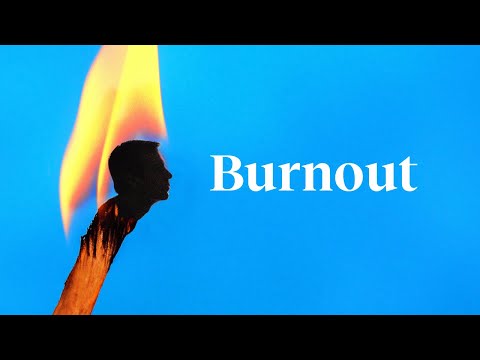
Hey you, let’s chat about something we all deal with: stress. You know that feelin’ when your heart races and your mind won’t shut off? Yeah, that’s stress in action.
It creeps in when life gets hectic. Work deadlines, family drama, maybe even that mountain of laundry that needs tackling. Seriously, can we just take a step back for a sec?
Este blog ofrece contenido únicamente con fines informativos, educativos y de reflexión. La información publicada no constituye consejo médico, psicológico ni psiquiátrico, y no sustituye la evaluación, el diagnóstico, el tratamiento ni la orientación individual de un profesional debidamente acreditado. Si crees que puedes estar atravesando un problema psicológico o de salud, consulta cuanto antes con un profesional certificado antes de tomar cualquier decisión importante sobre tu bienestar. No te automediques ni inicies, suspendas o modifiques medicamentos, terapias o tratamientos por tu cuenta. Aunque intentamos que la información sea útil y precisa, no garantizamos que esté completa, actualizada o que sea adecuada. El uso de este contenido es bajo tu propia responsabilidad y su lectura no crea una relación profesional, clínica ni terapéutica con el autor o con este sitio web.
But here’s the kicker: stress doesn’t just mess with your head; it messes with your whole body too. And it sneaks up on you in ways you might not even realize.
So, let’s break it down. What does stress really do to us? Spoiler alert: it’s more than just feeling frazzled!
7 Warning Signs of Stress: Recognizing and Addressing Your Stress Levels
Stress can creep up on you like that final boss in a video game—suddenly, it’s there, and you’re not quite prepared. Recognizing the signs of stress can be crucial to manage it before it impacts your health badly. Here’s a look at some common warning signs you might notice.
Physical Symptoms
Stress often manifests physically. You might feel things like headaches or muscle tension. Maybe you’ve had a tight neck after a long day or that occasional throbbing in your temples? It’s your body’s way of saying, “Hey, pay attention!”
Changes in Sleep Patterns
Ever find yourself tossing and turning at night? Stress can totally mess with your sleep habits. Some people struggle to fall asleep, while others may sleep too much as a way to escape their worries. Both are signs that something’s off.
Increased Irritability
Do you snap at your loved ones for no reason? Stress can make even the smallest annoyances feel like huge problems. You might find yourself losing patience with others more often than usual—it’s easy to lose your cool when you’re feeling overwhelmed.
Difficulty Concentrating
Being stressed can cloud your ability to think clearly. Ever tried to play a complex strategy game but couldn’t focus? That’s what stress does; it fogs up your brain making it hard to concentrate on tasks or remember important details.
Changes in Appetite
Stress affects how you eat too! Some folks may find themselves stress-eating junk food while others forget to eat altogether. If you notice big changes in your appetite or what you choose to munch on, take note!
Social Withdrawal
Feeling like hibernating more than hanging out? It’s common for people under stress to pull away from friends and family. You might cancel plans more than once because just thinking about socializing feels exhausting.
Mood Swings
And oh boy, mood swings! You might go from happy to sad (or angry) in no time flat. It’s like being on an emotional rollercoaster where every dip feels more dramatic when you’re stressed.
All these signs are clues from your body telling you something needs attention. It’s super important to take them seriously! After all, ignoring stress is kind of like skipping level-ups in a game—it’ll catch up with you eventually.
The thing is, recognizing these signs early is key for managing stress effectively. You know what? Sometimes talking things out with someone can help too—like a trusted friend or professional who knows their stuff! Taking steps towards better mental health isn’t just beneficial; it’s essential for living well and staying balanced.
So keep an eye out and don’t hesitate to reach out if these warning signs feel all-too-familiar!
Understanding the Long-Term Physical Effects of Stress on the Body
Stress is one of those things we all deal with, right? Some days it feels like a normal part of life, but what you may not realize is that long-term stress can seriously mess with your body. Let’s take a closer look at this.
First off, **stress isn’t just in your head**. It can have some pretty heavy physical effects. When you’re stressed, your body goes into fight or flight mode. This means it releases hormones like adrenaline and cortisol. They help you respond to immediate challenges but can wreak havoc if they’re pumping through your system for too long.
So, you might be wondering: What are these long-term effects? Well, here are some key points to consider:
- Heart Issues: Chronic stress can lead to an increased heart rate and higher blood pressure. Over time, this can increase your risk of heart disease.
- Immune System Suppression: Stress can weaken your immune response. This means you’re more likely to get sick and take longer to recover.
- Mental Health Problems: Long-term stress is linked to anxiety and depression. It’s like being stuck in a loop where stress makes you anxious, and anxiety makes you stressed.
- Digestive Problems: Your gut is super sensitive to stress! Issues like irritable bowel syndrome or even ulcers can flare up when you’re stressed out.
- Skin Conditions: Stress might trigger or worsen skin problems like eczema or psoriasis. Ever noticed how breakouts show up just before an exam or big presentation?
Think about it like playing a video game where the character has too many enemies attacking at once. If the player can’t defeat them (or deal with the stress), eventually the character gets wiped out! That’s what chronic stress does; it overpowers your body’s defenses.
There’s also the impact on sleep—stress often leads to sleepless nights. And when you’re tired? Everything seems harder! Your mood dips, focus fades, and bad days pile on top of each other.
Now, let’s talk coping mechanisms for a second—not everything revolves around big changes; even little things help! You know things like deep breathing exercises or even taking time out for hobbies can help manage stress levels.
At the end of the day, while this info highlights how serious long-term stress can be on our bodies, remember: if you’re feeling overwhelmed by it all? Seek support from a professional. This information doesn’t replace that kind of help; it’s just meant to open up awareness about what you might be facing.
Stress is truly a multi-faceted beast—understanding its impacts helps us work towards healthier ways of coping with whatever life throws our way!
Understanding the Physical Symptoms of Stress and Their Impact on the Body
Stress. We all feel it, right? Life throws a ton of things our way, and sometimes it can feel like we’re juggling flaming torches while blindfolded. But guess what? Stress doesn’t just mess with your mind; it can seriously mess with your body too. Let’s break down those sneaky physical symptoms of stress and how they affect your health.
What Happens to Your Body When You’re Stressed?
When stress hits, your body goes into fight-or-flight mode. It’s like having an alarm system that goes off when everything’s chill—super annoying! Your brain releases stress hormones like cortisol and adrenaline, prepping you for action. But if that alarm stays on for too long, things start to break down.
- Headaches: Ever notice how stress seems to come with a side of headaches? Tension headaches are common, and they can feel like a vice grip on your skull.
- Muscle Tension: When you’re stressed, those shoulders tend to creep up towards your ears. This tension can lead to pain in the neck and back.
- Digestive Issues: Stress can totally throw off your gut. Ever had butterflies in your stomach? That’s just the beginning—stress can lead to bloating or worse.
- Sleep Problems: If you find yourself tossing and turning at night instead of catching Zs, stress is likely the culprit messing with your sleep cycles.
- Skin Breakouts: You might notice more zits showing up during stressful times. That’s because stress can increase oil production in the skin.
So okay, let’s chat about why these symptoms matter. They’re not just annoying; they can lead to bigger health issues over time. Chronic stress is linked to conditions like heart disease, diabetes, and autoimmune disorders. Yikes!
The Ripple Effect of Stress
Now imagine this: you’ve got a super stressful week at work or school (hello exams!). You start feeling those physical symptoms creeping in—tight shoulders, upset stomach… maybe even a headache that won’t quit! Rather than taking a break or hitting pause for self-care, you keep pushing through.
That’s when things could get worse—a vicious cycle starts where poor health leads to more stress and more problems pop up along the way. It’s like playing a video game where every time you take damage from an enemy, your character gets weaker and weaker until it finally game overs!
Mental Health Connection
Physical symptoms often spill over into mental health territory too; it’s all connected! When our bodies are stressed out, we might feel irritable or anxious—no fun at all! It can create a loop where emotional distress makes physical symptoms worse, leading us right back where we started.
But here’s the deal: recognizing these signs early is key! Try not ignore them—it’s important to listen to what your body is telling you.
Your Roadmap Out
If this resonates with you—and hey, it might—consider checking in with some strategies:
- Meditation: Just five minutes of breathing exercises each day could do wonders!
- Exercise: Even a brisk walk can help release those pesky tension hormones.
- Talk It Out: Whether it’s friends or professionals—you shouldn’t carry heavy loads alone!
In the end, while these tips may ease some daily stresses or physical symptoms you experience from time to time—they aren’t replacements for professional help if needed. Seriously though? Don’t hesitate if you’re feeling stuck or overwhelmed!
Stress is real; don’t underestimate its impact on both mind and body! Recognizing its signs helps pave the way toward healthier habits; so check in with yourself—you got this!
Alright, let’s chat about stress for a bit. You know how when you’re super stressed, everything feels like it’s closing in on you? Like that time I had a mountain of work due the next day and my brain felt like it was running on empty. It was overwhelming, but I didn’t really think about how it affected my body at the time.
So, here’s the deal: stress isn’t just all in your head. It can actually mess with your body in pretty big ways. When you’re stressed, your body goes into this fight-or-flight mode. It’s like an alarm system going off. Your heart races, breathing speeds up, and hormones like adrenaline kick in to get you ready to deal with whatever’s stressing you out. That sounds logical, right?
But the thing is, if you stay stressed for too long – and let’s be real, who hasn’t been stressed out for ages? – that constant pressure can lead to some serious health issues. You might end up with headaches or muscle tension because your muscles are basically doing a tightrope act all day long. Oh! And don’t forget about the digestive system! Stress can throw that whole thing out of whack too—think stomachaches or even nausea.
And then there are those pesky sleepless nights. When you can’t catch some Z’s because your mind is racing through worries, it’s a recipe for feeling drained during the day and grumpy as well. Ever noticed how hard it is to make good choices when you’re tired? Yeah, cravings come knocking way too often when we’re burnt out.
But wait! There’s more! Stress has a sneaky way of messing with your immune system too. If you’re fighting off a cold or just trying to stay healthy, chronic stress might lower your defenses and make you more susceptible to getting sick—seriously not fun.
So what do we do about all this? Well, it’s important to find ways to manage stress levels—like exercise or meditation or really any activity that helps you unwind—even just having a good laugh with friends can work wonders! You know what they say: laughter is the best medicine!
At the end of the day, acknowledging how stress impacts our bodies is key—sometimes we get so caught up in our daily grind that we forget to take care of ourselves properly. We deserve to feel good and take time for those little moments of joy; life is too short not too! So next time you’re feeling overwhelmed or tight in those shoulders from stress—take a breath and remember: It’s okay to step back and breathe easy once in awhile!