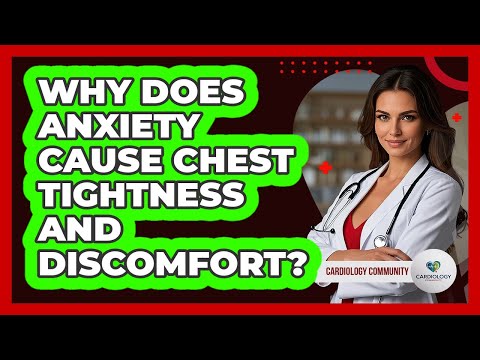
So, you know that feeling when your chest gets tight and you’re just like, “What is going on?” Yeah, I’ve been there too. It’s super unsettling, right?
Este blog ofrece contenido únicamente con fines informativos, educativos y de reflexión. La información publicada no constituye consejo médico, psicológico ni psiquiátrico, y no sustituye la evaluación, el diagnóstico, el tratamiento ni la orientación individual de un profesional debidamente acreditado. Si crees que puedes estar atravesando un problema psicológico o de salud, consulta cuanto antes con un profesional certificado antes de tomar cualquier decisión importante sobre tu bienestar. No te automediques ni inicies, suspendas o modifiques medicamentos, terapias o tratamientos por tu cuenta. Aunque intentamos que la información sea útil y precisa, no garantizamos que esté completa, actualizada o que sea adecuada. El uso de este contenido es bajo tu propia responsabilidad y su lectura no crea una relación profesional, clínica ni terapéutica con el autor o con este sitio web.
Well, sometimes it’s stress playing tricks on us. It’s wild how our mind can mess with our body. I mean, stress isn’t just that busy day at work or looming deadlines; it can show up physically in some pretty surprising ways.
Let me tell you a little story. I was once sitting in a meeting, totally fine one minute, then boom! My chest felt heavy like I had an elephant sitting on it. It freaked me out! Turns out, my brain was just in overdrive worrying about everything.
So if you’ve ever felt that weird sensation and thought there might be something wrong with your heart or just your life? Stick around! Let’s chat about stress and what it does to us—because honestly? It’s a lot more connected than you might think!
Identifying Stress-Induced Chest Tightness: Key Signs and Symptoms
Stress-induced chest tightness can be a pretty alarming experience, right? You might feel like a weight is pressing down on your chest or that your breathing isn’t quite normal. But let’s break it down a bit.
Understanding the connection between stress and physical symptoms like chest tightness is key. Stress activates your body’s fight-or-flight response, which releases hormones like adrenaline. These hormones can cause your muscles to tense up, including the ones around your chest. It’s kind of like when you’re about to take a big exam or jump into an intense game—your body gears up for action.
So, what are some signs and symptoms of stress-induced chest tightness? Here’s what you might notice:
- Tightness or pressure in the chest. This feels like someone is squeezing your heart or sitting on your ribcage.
- Difficulty breathing. You may find it hard to catch your breath, as if every inhale is shallow.
- Pain radiating to other areas. Sometimes, this tight feeling shoots out to your arms, neck, or back. It can be really confusing!
- Anxiety or panic feelings. This often accompanies the physical sensations; they can make you feel even more anxious about what’s happening.
- Tight shoulders and jaw clenching. If you’re stressed, you might catch yourself tensing those muscles without even realizing it!
I remember playing this intense video game once. I was so caught up in beating my high score that I didn’t notice how tense I’d gotten until my chest started feeling weird. My heart was racing not just from excitement but from stress too! It’s wild how our bodies react to pressure, even when we’re just having fun.
If you’re noticing these symptoms frequently, it’s super important to take them seriously. While it might just be stress in many cases, it could also signal other health issues that need attention. So don’t brush it off! You should talk to a healthcare professional about what’s going on with you because they can provide the right guidance and support based on your individual situation.
The bottom line? Recognizing when stress affects you physically can help you manage it better. Incorporate relaxation techniques into your routine—like deep breathing exercises or meditation—and firing up those coping skills could make a huge difference!
Your health matters—so listen to your body and don’t hesitate to reach out if something feels off!
Effective Strategies to Relieve Chest Tightness Caused by Anxiety
You know how sometimes, when you’re super stressed or anxious, it feels like there’s a weight on your chest? It’s not just in your head—anxiety can definitely cause real physical sensations like that. You might be wondering why that happens and, more importantly, what you can do about it. Let’s unpack this a bit.
Understanding the Connection
When you’re stressed, your body goes into «fight or flight» mode. This means your heart rate goes up and your breathing gets faster. Your muscles get tense because they’re ready for action. And all of this can lead to that tight feeling in your chest—it’s pretty common but can be really uncomfortable.
If you’ve ever played a video game where you’re racing against the clock, you know that sense of urgency, right? Well, that’s kinda how anxiety works in our bodies. It’s like being stuck in an intense level with no way out.
Strategies to Relieve Chest Tightness
It’s helpful to have some strategies on hand when those tight feelings hit. Here are some effective ways to ease the tension:
- Deep Breathing: Try this super simple technique: breathe in through your nose for four counts, hold it for four counts, then breathe out through your mouth for six counts. Doing this a few times slows down your heart rate and helps calm you down.
- Progressive Muscle Relaxation: Start from the tips of your toes and work your way up. Tense each muscle group for five seconds, then release. Seriously, it’s like giving yourself a mini-vacation inside your body!
- Mindfulness Meditation: This one takes practice but is totally worth it! Focus on the present moment without judgment—like observing clouds passing by without getting caught up in them.
- Physical Activity: Exercise is a major mood booster! Go for a walk or do some yoga stretches if you’re feeling tightness creeping in.
- Aromatherapy: Scents like lavender or chamomile are known to have calming effects. Try using essential oils or candles when you’re winding down.
Remember that everyone’s different! What works wonders for one person might not help another as much.
The Importance of Professional Help
While these strategies can help ease anxiety-related chest tightness, they’re not a substitute for professional help if you need it. Sometimes talking to someone—a therapist or counselor—makes all the difference. If you find yourself frequently anxious or if that heavy feeling persists even when you’re relaxed, don’t hesitate to reach out.
All in all, managing anxiety takes time and patience—like leveling up in one of those challenging games we love! So treat yourself kindly as you navigate through it all—you’ve got this!
Effective Strategies to Relieve Chest Pain Caused by Stress
Stress can be a sneaky little beast, showing up in various ways, and sometimes it hits us right in the chest. If you’ve ever felt that tightening sensation, you’re not alone. The connection between stress and chest tightness is real, and it’s important to know some effective strategies to relieve that tension.
First off, let’s break down what happens. Stress causes our body to go into fight-or-flight mode. When this happens, your heart rate speeds up, muscles tighten, and you might feel like there’s an elephant sitting on your chest. Recognizing that stress can manifest physically is the first step in taking control of it.
Here are some strategies that might help ease that tightness:
- Deep Breathing: Seriously, this one is gold. Try inhaling slowly through your nose for a count of four, holding for four, and exhaling through your mouth for another four. You know how when you’re playing a tense video game? Taking a moment to breathe can really change your focus!
- Progressive Muscle Relaxation: Start by tensing the muscles in your toes for five seconds then relax them. Work your way up through your legs and all the way to your face. It’s like a mini workout but for relaxation.
- Meditation or Mindfulness: Just sitting quietly and focusing on the present moment can do wonders. You don’t need fancy apps or long sessions – even a few minutes can help clear your mind.
- Physical Activity: Ever notice how good a brisk walk feels? It releases endorphins—those happy little chemicals—and helps reduce stress levels. Find something you enjoy! Dance around your room or go kickball with friends.
- Laughter: Yup! Laughter really is great medicine. Watch a funny movie or listen to a stand-up comedian when you’re feeling tense. Just laughing can trigger relaxation responses in the body.
It’s also key to maintain healthy habits overall. Eating well-balanced meals and getting enough sleep play huge roles in how we handle stress day-to-day. Think of it as leveling up in life! The stronger your “character,” the better equipped you are against those pesky stressors.
Now remember, if you’re feeling persistent pain or discomfort — don’t ignore it! It’s super crucial to seek professional help when needed because physical symptoms could indicate something more serious.
In short, addressing stress-related chest tightness involves understanding its triggers and actively engaging in these helpful techniques. It might take time to find what works best for you but hang in there! You’ve got this; just take it one breath at a time!
You know how sometimes you’re just going about your day, and suddenly it feels like there’s an elephant sitting on your chest? Yeah, that’s the kind of thing we’re talking about when it comes to stress and chest tightness. It can be super unsettling, right?
I remember a time when I had this big presentation at work. I spent all night before just replaying every possible disaster in my head. When I woke up, my chest felt like it was in a vice grip. The funny thing is, I didn’t really think much of it then—I just chalked it up to nerves. But looking back, I realize how connected our minds and bodies really are.
Stress doesn’t just mess with your head; it has physical effects too. When you’re stressed out—think about that fight-or-flight response—the body pumps out adrenaline and other hormones. It gets ready for action! But if those stress hormones hang around too long without any physical release, your muscles can get tense. Your chest muscles tighten up, which can lead to that uncomfortable feeling we often ignore or misinterpret.
And it’s not just the physical part of it; there’s also this emotional layer. You might notice that when life gets overwhelming, you feel more anxious or emotionally frazzled. That knot in your chest not only screams «stress,» but also whispers «hey! pay attention!» It’s like your body is trying to give you an important message.
Sometimes, people might think they’re having heart issues because of this sensation—an understandable concern! But usually, if it’s stress-related, addressing the underlying anxiety or pressure is what helps ease the tightness away.
So what can help? Well, finding ways to chill out—like breathing exercises or a good walk—can make a world of difference. No wonder yoga has become such a hit; those stretches really do help release that pent-up tension!
But here’s the deal: don’t ignore those signs from your body! If you’re feeling tightness consistently or it feels different than usual or maybe scary—talk to someone who knows their stuff about health.
Overall, our bodies are super smart—they pick up on our stress even when we try to brush it off as “no biggie.” You might be surprised at how much acknowledging those feelings can lighten the load on your chest—both physically and emotionally! So next time you feel that squeeze, take a moment for yourself. You deserve it!