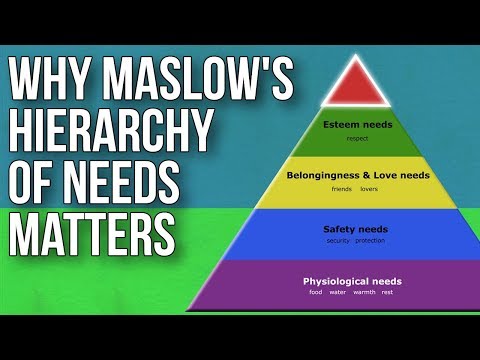
So, you know Maslow, right? The guy with that pyramid?
Este blog ofrece contenido únicamente con fines informativos, educativos y de reflexión. La información publicada no constituye consejo médico, psicológico ni psiquiátrico, y no sustituye la evaluación, el diagnóstico, el tratamiento ni la orientación individual de un profesional debidamente acreditado. Si crees que puedes estar atravesando un problema psicológico o de salud, consulta cuanto antes con un profesional certificado antes de tomar cualquier decisión importante sobre tu bienestar. No te automediques ni inicies, suspendas o modifiques medicamentos, terapias o tratamientos por tu cuenta. Aunque intentamos que la información sea útil y precisa, no garantizamos que esté completa, actualizada o que sea adecuada. El uso de este contenido es bajo tu propia responsabilidad y su lectura no crea una relación profesional, clínica ni terapéutica con el autor o con este sitio web.
Well, in case you didn’t know, it’s not just shapes and colors. It’s all about what we need to feel good.
And one of those layers? Esteem. Yep! That part where your self-worth kicks in.
Ever felt on top of the world after nailing a big presentation or getting a compliment from a friend? That’s your esteem shining!
But it’s not just about feeling great; it’s way deeper than that. Seriously, it shapes how we see ourselves and interact with others.
Curious yet? Let’s unpack this whole esteem thing together!
Understanding the Four Types of Esteem: A Comprehensive Overview
So, let’s chat about esteem and how it fits into Maslow’s Hierarchy of Needs. It’s not just a big fancy concept; it actually plays a huge role in our everyday lives. Esteem is all about how much you value yourself and how you think others see you. So, when we talk about the four types of esteem, we’re breaking it down into something a bit easier to digest.
1. Self-Esteem
This is the cornerstone of esteem! It’s how you feel about yourself at your core. If you have high self-esteem, you’re likely to feel confident and worthy. You might find that you’re willing to take risks, like trying out for a role in a school play or asking someone out on a date. On the flip side, low self-esteem can make you doubt your abilities and fear rejection.
2. Social Esteem
Now, social esteem comes from your interactions with others. Think friendships and relationships—these connections shape how you see yourself based on feedback from other people. If your friends applaud your achievements or support you during tough times, your social esteem gets a nice boost! But if they ignore or belittle you? Yeah, that can hit hard.
3. Professional Esteem
This one’s tied to your work life and achievements in your career or studies. Professional esteem grows when you’re recognized for your skills and contributions—maybe you got an award at work or aced an important project at school! When others acknowledge what you’ve done well, it elevates not just your confidence but also how seriously others take you professionally.
4. Cosmic Esteem
Okay, this might sound a bit out there but hang with me! Cosmic esteem is essentially about finding meaning and purpose in life itself—kind of like feeling connected to something bigger than yourself. Whether it’s through spirituality, nature, or even community service, feeling like you’re part of a greater whole can seriously enhance how valued you feel as an individual.
So let’s sum it up: self-esteem is all personal; social esteem relies on others; professional esteem connects to work recognition; and cosmic esteem ties into finding meaning beyond ourselves.
And here’s where it gets real: these kinds of esteem don’t operate in isolation—they interact with one another all the time! For example, if someone has strong self-esteem but struggles with social interactions (maybe they’re super introverted), they might still excel professionally but feel lonely outside work.
In the end, building healthy levels of these types of esteem is crucial for overall well-being. If you’re feeling stuck or overwhelmed with any of these areas though? Reaching out for professional support can make all the difference! These concepts are great to think about but talking through them with someone trained can help navigate through tougher feelings.
So there ya go—a peek into the four types of esteem and why they matter more than we often realize!
Understanding Esteem in Maslow’s Hierarchy of Needs: Key Characteristics and Definitions
Alright, let’s chat about esteem in Maslow’s Hierarchy of Needs. You know, this guy Abraham Maslow had some pretty interesting ideas back in the 1940s that we’re still talking about today. Basically, he proposed that our needs can be ranked like a ladder. At the top of that ladder, we find self-actualization, but before we get there, there’s this important step called esteem.
So, what is esteem all about? Well, in simple terms, it’s all about how you see yourself and how others see you. It’s like that moment when you’ve just scored the winning goal in a game – the cheers from your friends and the sense of pride really boost your confidence, right? Esteem is about feeling valued and respected.
Maslow broke esteem down into two types: self-esteem and esteem from others. Self-esteem is how much you value yourself. This includes your confidence and sense of accomplishment. On the flip side, esteem from others is about recognition and respect from people around you.
- Self-Esteem: This is all about feeling good in your own skin. You know you can tackle challenges because you’ve got skills and abilities.
- Esteem from Others: It’s great when someone acknowledges your efforts! Maybe your boss praises a project or a friend compliments your cooking after dinner.
- Achievements: Accomplishing goals boosts both self-esteem and how others perceive us. Think of leveling up in a video game—it feels fantastic to complete a quest!
- Avoiding Failure: With high esteem comes motivation to avoid failure. Just like in sports; every player wants to win!
The thing is, if these needs aren’t met, you might feel insecure or unworthy. Imagine working hard on a team project but never getting any feedback—you’d probably start feeling pretty low about yourself over time.
This leads to some emotional ups and downs because our esteem needs are super important for our overall well-being. Think of it as wearing armor in life; when it’s strong, you’re ready to take on anything thrown at you!
You know what? Everyone’s journey toward fulfilling their esteem needs varies! Some may feel great at their job but struggle with personal relationships or vice versa.
But that’s normal! It’s really all part of being human.
If you’re ever feeling off-balance with these needs or struggling with self-worth issues—don’t hesitate to talk things over with someone who can help like a therapist or counselor.
Talking can open so many doors for understanding who you are!
So yeah! Esteem in Maslow’s hierarchy isn’t just some academic concept; it’s real-life stuff we experience every day—whether we’re chasing dreams or simply trying not to trip over our own feet during a dance!
Understanding Esteem Needs: Key Focus Areas and Their Psychological Importance
Esteem needs are a crucial part of Maslow’s Hierarchy of Needs, sitting right above love and belonging. They relate to how we see ourselves and how we think others perceive us. Basically, it’s about feeling valuable and respected.
Think about it this way: when you accomplish something cool—like finishing a tough level in your favorite game—you feel that rush of pride, right? That sense of achievement isn’t just about the win; it’s tied to your self-esteem. You start to believe in yourself more. It’s like leveling up in real life!
Now, let’s break down the key focus areas for esteem needs:
- Self-Esteem: This is all about how you view yourself. If you think you’re capable and worthy, you’re on solid ground. But doubt can really shake things up.
- Recognition: We all want to be recognized for our efforts, don’t we? Whether it’s praise at work or a simple «great job» from friends, recognition builds confidence.
- Accomplishment: Achieving goals gives us a sense of success. Maybe you’ve played a game for hours and finally beat that boss—you feel unstoppable! These moments reinforce your self-worth.
- Respect from Others: When people value your opinion or acknowledge your skills, it boosts your esteem. It’s like getting thumbs up from the crowd at a concert!
These aspects are really important because they contribute significantly to our mental health. Feeling good about yourself can reduce anxiety and depression. Plus, when you’re confident, you’re more likely to take risks and pursue new opportunities.
For example, imagine two friends: one always receives compliments and feels valued by their peers; the other struggles with low self-esteem and rarely gets acknowledgment. The first friend is likely thriving in life—socializing easily and going after goals—while the second might hold back out of fear or insecurity.
In games like “The Legend of Zelda,” link faces challenges that require him to build his skills as he progresses through various dungeons. Each time he defeats an enemy or solves a puzzle, he earns that sense of accomplishment which fills up his esteem meter! Just like in real life—achievements boost our confidence.
So remember, esteem needs are foundational for personal growth and happiness. Fostering self-esteem isn’t just about feeling good; it’s essential for navigating life’s challenges effectively.
If you’re struggling with your self-esteem or recognizing your worth—don’t hesitate to reach out for help! You deserve support from professionals who can guide you through those tough spots.
You know how sometimes you just feel on top of the world? Like, everything is going your way, and you genuinely feel good about yourself? That’s self-esteem for you. In Maslow’s Hierarchy of Needs, esteem sits pretty high up, right below self-actualization. It’s like the cozy blanket that wraps around us after we’ve climbed a few rungs on that pyramid.
So, let’s break it down a bit. Maslow proposed this idea that we have different levels of needs to fulfill before we can really feel good about ourselves. At the bottom, you’ve got basic needs—food, water, shelter. Then you move up to safety and love/belonging. But once those are taken care of? Well, that’s when esteem comes into play!
Esteem is all about feeling respected and valued. It includes two main components: self-esteem—how much we value ourselves—and esteem from others—like respect and recognition from friends or colleagues. Seriously, think back to a time when someone acknowledged your hard work or even just complimented your outfit! That boost feels amazing! It makes you want to take on the world.
But here’s the catch: if those basic needs aren’t met first—like if you’re constantly worried about where you’ll sleep tonight or if anyone cares about you—then building that self-esteem becomes super tough. It’s like trying to build a house without a solid foundation; it just doesn’t work out well.
I remember this one time in high school when I totally bombed my math test. I was feeling low and questioning my abilities so much that I thought I’d never get out of that academic rut. A friend noticed I was down and offered to help me study for the next one instead of just brushing it off or teasing me about my grade. That small gesture made me feel recognized and respected—and it helped lift me up! After that support, I could focus better on my studies and eventually gain confidence in math again.
And then there’s self-actualization—the peak! Once we feel good about ourselves and have our needs met, we’re more likely to chase our dreams full throttle!
So in the end, esteem is like the fuel for our personal growth engine! It propels us forward toward what we truly want out of life! You with me? If you’re ever feeling down or questioning your worth, remember: building esteem takes time and support from those around us—but it all starts with recognizing those simple yet powerful moments where someone truly sees us for who we are.


