Hey you! So, let’s talk about something that’s kinda heavy but super important—anxiety and depression. You know, those two buddies that seem to hang out more than they should?
Este blog ofrece contenido únicamente con fines informativos, educativos y de reflexión. La información publicada no constituye consejo médico, psicológico ni psiquiátrico, y no sustituye la evaluación, el diagnóstico, el tratamiento ni la orientación individual de un profesional debidamente acreditado. Si crees que puedes estar atravesando un problema psicológico o de salud, consulta cuanto antes con un profesional certificado antes de tomar cualquier decisión importante sobre tu bienestar. No te automediques ni inicies, suspendas o modifiques medicamentos, terapias o tratamientos por tu cuenta. Aunque intentamos que la información sea útil y precisa, no garantizamos que esté completa, actualizada o que sea adecuada. El uso de este contenido es bajo tu propia responsabilidad y su lectura no crea una relación profesional, clínica ni terapéutica con el autor o con este sitio web.
Imagine you’re sitting at a café, and anxiety walks in, all jittery and loud. And guess what? Depression tags along like a shadow. It’s wild how those feelings can flip the script on our day-to-day lives, right?
Sometimes it feels like you’re on a merry-go-round of thoughts that just won’t stop. Seriously, who invited this ride? But here’s the thing: digging into this connection might just help us make sense of all the chaos up there.
So grab your favorite drink (I’m talking coffee or tea), get comfy, and let’s unravel why anxiety can kickstart those pesky depression symptoms. Sound good?
Anxiety vs. Depression: Understanding Which Condition Has a Greater Impact
Anxiety and depression often go hand in hand, like peanut butter and jelly, but they aren’t the same thing. Let’s break down what each condition is and how they can impact your life.
Anxiety is that nagging worry or fear that just won’t quit. You might feel super restless or have racing thoughts. It can keep you up at night, making you dread social situations or even just everyday tasks. Imagine playing a video game where the timer’s always ticking down; the pressure can feel overwhelming, right? That’s anxiety for you.
On the other hand, depression feels like you’re walking around with a heavy backpack filled with rocks. You lose interest in things you once loved—like hanging out with friends or binge-watching your favorite shows. It’s that blanket of sadness that seems to smother everything else. Sometimes it can hit so hard that just getting out of bed feels like climbing a mountain.
But here’s where it gets tricky: anxiety can actually trigger symptoms of depression. **When you’re constantly on edge**, feeling anxious day in and day out, it takes a toll on your mental health. You might start feeling hopeless or worthless—as if nothing will ever change. That sense of dread can overshadow all the light moments in life.
So why does this happen? Well, when anxiety runs rampant:
- Your body gets worn out from all that stress.
- You may avoid social interactions due to fear, leading to isolation.
- Your sleep patterns get messed up, causing even more fatigue.
- The constant cycle of worry may distort your perspective on life.
Maybe think of anxiety as an annoying game mechanic—like those pesky bosses that never let you rest—and eventually, your character (that’s you!) becomes completely overwhelmed.
Sometimes people don’t even realize they’re dealing with both conditions at once! They might think it’s about being sad when really anxiety is sneaking around and fueling those feelings of depression. It sets off this terrible cycle where one feeds into the other.
Now, don’t get it twisted: understanding these feelings doesn’t solve them. It’s super important to chat with someone who knows their stuff—like a therapist—to help sort things out and find ways to address both anxiety and depression effectively.
In short, while both mental health conditions highlight different struggles, their interplay matters because **anxiety can worsen depressive symptoms** over time if not addressed properly. Taking care of yourself by seeking help is essential! Remember, no one should have to battle these feelings alone—seriously!
Understanding Depression and Anxiety Symptoms: Key Indicators and Insights
Alright, let’s talk about something pretty heavy but important: depression and anxiety. It’s like a shadow lurking in the background, isn’t it? The thing is, these two often dance together, creating a pretty complicated situation. You know what I mean?
Anxiety is basically that nagging feeling you get when you’re worried or stressed about something. It can show itself in various ways: racing thoughts, sweating palms, or just feeling restless. But what might surprise you is how anxiety can end up triggering depression symptoms. It’s like a domino effect.
- Physical Symptoms: When anxiety hits hard, your body tends to react too. You might feel tired all the time because you’re constantly on high alert or maybe even lose your appetite. Ever been so anxious before an exam that you couldn’t eat? Yeah, that’s a real thing.
- Cognitive Effects: Anxiety messes with your head—literally! You might have trouble focusing or making decisions. This can lead to feelings of inadequacy or frustration, and that’s not great for your mental health.
- Social Withdrawal: If anxiety makes social situations feel like a chore, you may start isolating yourself from friends and family. Over time, this loneliness can invite depression to take a seat at your table.
- Pessimistic Outlook: Anxiety often breeds negative thinking patterns. If you’re continuously worried about what could go wrong, it can shift into a general sense of hopelessness—a key player in depression.
I remember this one time when I was super anxious about an upcoming presentation at work. I kept replaying all the «what ifs» in my head: What if I forget my lines? What if they laugh at me? This spiraled into not only sleepless nights but also feeling sad and overwhelmed because I felt trapped by my thoughts. It’s exhausting!
The connection between these two isn’t just casual; there’s actual research showing how chronic anxiety increases the risk of developing depression over time. It creates this cycle where one feeds the other—you get anxious about your anxiety which leads to feeling down more often than not.
If you think about it like playing a video game where every time you get hit by an enemy (let’s say it’s anxiety), your life points drop (which is kind of like your mood). And when they hit zero? Well that’s when things start to feel really tough.
You might be asking yourself if there’s hope here—and there totally is! Recognizing these key indicators means you’re already halfway there. But remember, reaching out for help isn’t just okay; it’s essential! Talking to someone—a friend or a professional—can make all the difference.
At the end of the day, being aware of how anxiety triggers depression symptoms gives us the power to address them head-on rather than letting them run wild inside us. Take it one step at a time; you’ve got this!
Understanding Anxious Depression: Symptoms, Causes, and Treatment Options
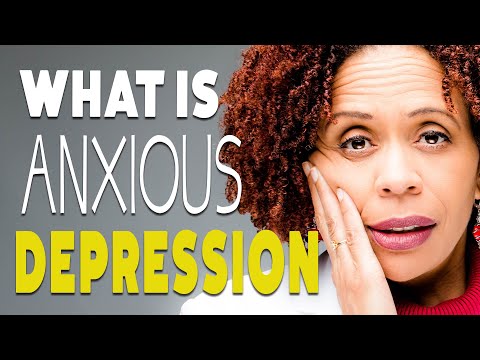
So, let’s talk about anxious depression. It’s a combo that can feel like you’re in a video game where you’re constantly dodging both the anxiety monsters and the depression ones. Pretty rough, right? Here’s a closer look at what it is, what causes it, and how people tackle it.
What is Anxious Depression? It’s when someone experiences symptoms of both anxiety and depression at the same time. You might feel an overwhelming sense of dread and sadness, like everything’s just too much to handle. Imagine being stuck in a level of your favorite game where every decision makes your character more stressed out.
Symptoms: You might be wondering what this looks like day-to-day. Here are some common symptoms:
- Persistent Worrying: You can’t shake off that nagging feeling in your chest.
- Low Energy: Everything feels heavy; getting out of bed feels like lifting weights!
- Irritability: Little things can set you off—like when your game glitches at the most crucial moment.
- Trouble Sleeping: Your mind races as soon as your head hits the pillow, making it tough to catch those Z’s.
- Lack of Interest: Activities that used to excite you now seem pointless—think about not wanting to play your favorite game anymore.
Anxiety can trigger depression by putting your mind on high alert all the time. When you’re anxious, you’re constantly worrying about potential problems or threats. Over time, this chronic stress can drain you emotionally, leading to feelings of hopelessness and despair associated with depression.
Causes: Now let’s explore some possible causes behind this mix of feelings.
- Genetics: If someone in your family has struggled with anxiety or depression, it might be passed down to you—kind of like inheriting a bad trait from a video game character!
- Chemical Imbalances: Neurotransmitters like serotonin and dopamine play key roles in mood regulation. If they’re outta balance, watch out for trouble!
- Lifestyle Factors: Poor diet, lack of exercise or sleep, or unresolved stress from life events can exaggerate these feelings.
Coping strategies are essential here! Treatment options typically include:
- Therapy: Talking stuff out with a professional can make a world of difference—like leveling up in understanding yourself better!
- Meds: Sometimes medication helps bring those chemical levels back into line; think of them as power-ups for managing your mood.
- Lifestyle Changes: Regular exercise, proper sleep patterns, and healthy eating habits are key strategies—to keep yourself strong during tough times.
The thing is: you don’t have to go through this alone. Reaching out for help is totally brave! If you’ve been feeling stuck on that difficult level for too long, talking to someone who knows their stuff is really important. Everyone deserves support when things get tough!
This whole topic isn’t meant to replace professional help but instead serves as a friendly chat about something many struggle with. Remember: You’re not alone in this journey! Reach out if you’re feeling overwhelmed—it could be one of the best moves you’ll make for yourself!
Anxiety and depression—those two often like roommates you never wanted. You know, like that time when you were just stressed about a big project at work or a fight with a friend. Suddenly, it’s not just worry anymore; it spirals into that heavy feeling of sadness too. Have you been there? Yeah, me too.
So, let’s break it down a bit. Anxiety can be that pesky little bugger that keeps buzzing in your ear, making it hard to focus on anything. Your mind races with «what ifs» and «what could go wrong.» It’s exhausting, right? Well, this constant state of alarm can wear you down over time. You’re on high alert all day long—where’s the off switch for that?
Now here’s the kicker: when your brain is wired to be anxious all the time, it’s like being on a rollercoaster that never ends. What happens next? Your mood dips and there’s this underlying sadness creeping in. It feels almost unfair! I mean, you’ve got one beast at bay only to find another lurking in the shadows.
I remember this one time when I was juggling a lot—school, work, and personal stuff. My anxiety made my brain feel like it was running a marathon without stopping for water breaks! And then came the days where I just felt so low—it was tough getting out of bed or even laughing at my favorite show. It wasn’t just anxiety anymore; it transformed into something deeper.
It’s fascinating (and kind of scary) how intertwined these feelings can become. Anxiety doesn’t play nice; instead of protecting us, it can actually push us further into the pit of depression if we’re not careful.
But here’s something reassuring: recognizing this pattern is powerful! Once you’re aware of how anxiety paves the way for depressive thoughts and feelings, you can start taking action—whether it’s through therapy or simply chatting with friends who get it.
So remember this: anxiety doesn’t have to hold dominion over your mental health journey. It’s more about managing those thoughts than letting them take control entirely. You’ve got this!