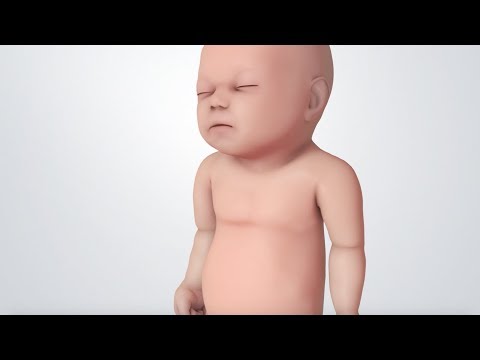
So, you just had a baby, huh? Congrats! It’s a whirlwind of emotions and sleepless nights. Now, I gotta ask: have you heard your little one snoring?
Este blog ofrece contenido únicamente con fines informativos, educativos y de reflexión. La información publicada no constituye consejo médico, psicológico ni psiquiátrico, y no sustituye la evaluación, el diagnóstico, el tratamiento ni la orientación individual de un profesional debidamente acreditado. Si crees que puedes estar atravesando un problema psicológico o de salud, consulta cuanto antes con un profesional certificado antes de tomar cualquier decisión importante sobre tu bienestar. No te automediques ni inicies, suspendas o modifiques medicamentos, terapias o tratamientos por tu cuenta. Aunque intentamos que la información sea útil y precisa, no garantizamos que esté completa, actualizada o que sea adecuada. El uso de este contenido es bajo tu propia responsabilidad y su lectura no crea una relación profesional, clínica ni terapéutica con el autor o con este sitio web.
Yeah, I know what you’re thinking. Snoring? Isn’t that just for grown-ups? Well, surprise! Newborns can snore too. It can be kind of cute at first but then you start to wonder: is that normal? Should I be worried?
You’re not alone in this. A lot of parents freak out when they hear those tiny snores. So let’s break it down together. What’s causing all this racket and should we really be concerned? Trust me; there’s a lot more to it than meets the ear!
When to Worry About Newborn Snoring: Key Signs and Concerns for Parents
So, you’ve got a little one who snores, huh? It’s kind of a strange thing to hear from such a tiny human. While some newborns just have those adorable little sounds in their sleep, others may need more attention. Newborn snoring can be caused by different factors, and knowing when to worry is key for any parent.
First off, let’s talk about some common reasons your baby might be snoring. Seriously though, it’s not all doom and gloom!
- Blocked nasal passages: Newborns can get stuffy noses due to colds or allergies. Their nasal passages are tiny, so even a little congestion can lead to those snoring sounds.
- Sleep position: Sometimes, if they’re sleeping on their back with their head tilted at an odd angle, it can cause snoring.
- Enlarged tonsils or adenoids: These aren’t as common in newborns but can happen. Enlarged tonsils could cause snoring if they’re obstructing the airway.
Okay, so here’s where things get a bit more serious. If your baby’s snores sound like a freight train or are accompanied by other signs, you might want to pay attention:
- Labored breathing: If your baby seems to struggle for air while snoring—or has pauses in breathing—that’s major red flag territory.
- Cyanosis: This is when your baby’s skin or lips turn blueish during sleep. It could mean they’re not getting enough oxygen.
- Lack of weight gain: If your little one isn’t gaining weight as expected and is snoring loudly during sleep, gut feeling tells you something might be up.
Let’s throw in an example: picture yourself playing hide-and-seek with friends and trying to catch your breath after running around. Just like that frantic game, if you notice that your baby is having difficulty catching their breath while they’re snoozing, don’t hesitate—give the doctor a call!
Also consider this: sudden changes. If your normally quiet sleeper suddenly starts making noise every night or displays any unusual behaviors like irritability during the day—yeah, that merits extra attention.
While it’s completely natural for parents to worry about their newborns (trust me—I’ve seen my friends pull all-nighters just watching their babies breathe), not every case of snoring is serious. That said:
– Keeping tabs on both how often it happens and anything else unusual is important.
– Always trust your instincts; if you’re feeling uneasy about what you’re hearing (or not hearing), reach out for help.
And hey—breathe easy. Most cases of newborn snores resolve themselves without intervention. But when in doubt? Consulting with a healthcare professional never hurts!
In the end, staying aware of these signs will make you feel more empowered as a parent. Newborn parenting comes with plenty of surprises…and some sleepless nights!
Understanding Why Your 2-Week-Old Baby Sounds Like He’s Snoring: Common Causes and Concerns
Hey, so you’ve got this adorable little bundle of joy, and every now and then, it sounds like he’s snoring! I totally get it; it can be a bit concerning when your 2-week-old baby makes those funny noises. Let’s break down some common causes and concerns in a way that’s friendly and straightforward.
First off, you’re not alone—many parents notice this snoring sound. It can seem a bit alarming at first, but often it’s nothing to worry about. Babies have tiny airways which can get a bit congested or blocked as they sleep. Here are some reasons your little one might sound like he’s snoring:
- Congested Airways: Babies often have nasal congestion because of their immature respiratory systems. Think about when you catch a cold; your throat feels scratchy, right? For babies, even small amounts of mucus can make them sound stuffy.
- Sleep Position: If he tends to sleep on his back (which is recommended for safety), the position can sometimes cause his tongue or soft palate to vibrate against the airway, leading to those snoring sounds. Just like how some adults might snore on their backs!
- Nasal Passages: Babies breathe through their noses more than through their mouths. This means any slight blockage can lead to funny sounds at night. It’s kind of like trying to breathe through a straw with something stuck in it.
- Sleep Cycles: Newborns go through different stages of sleep just like adults do. During deep sleep, they might make more noise—kind of like those crazy dreams we all have sometimes!
Now, while most cases are pretty normal, there are some signs you should watch out for:
- Persistent Difficulty Breathing: If it seems like your baby is struggling to breathe or if there are pauses between breaths that last too long.
- Cyanosis: If his skin turns a bluish color around the lips or face when he snores or sleeps.
- Poor Feeding: If he seems tired or unwilling to eat compared to usual.
If any of these happen, it’s crucial you reach out for professional help—you know? Always better safe than sorry!
When I had my youngest sibling, I remember hearing those weird snoring noises too! At first, I panicked thinking something was wrong until my mom said it was pretty common. It turned out he just needed a good burp and maybe some time for his tiny body to adjust.
In case you’re worried about the snoring disrupting your baby’s sleep routine—don’t stress too much! Babies are resilient little beings with an incredible ability to adapt (more so than us adults!). However, creating a calm sleeping environment can help make sure he gets the best rest possible.
All in all, while your baby’s snoring might seem alarming at first glance—it often falls into the *normal* category of newborn quirks. Keep an eye on him and don’t hesitate to talk with your pediatrician if anything feels off. They’ll provide you with guidance tailored specifically for your situation!
Understanding Why Your Baby Snores and Sounds Congested: Causes and Solutions
So, your baby is snoring and sounding congested? That can really freak out any new parent, right? You might be wondering if it’s normal or something to worry about. Let’s break down the reasons behind it and what you can do.
- Anatomy of a Baby’s Airway: Babies have tiny airways. That means even the slightest blockage can cause snoring or congestion sounds. Think about when you’ve tried to breathe through a straw—makes sense, huh?
- Common Cold: Just like us, babies can catch colds too! A runny nose can lead to snoring. If your little one has been around other kids or is teething, this could be the case.
- Allergies: Believe it or not, babies can have allergies too. Dust mites, pet dander, or pollen might cause sniffles and snores. If you notice sneezing or watery eyes along with the congestion, consider checking for allergens.
- Sleep Position: Sometimes how your baby sleeps affects their breathing. If they’re on their back, which is safest for sleep, mucus might pool in their throat and cause sounds. Rolling to the side might help!
- Nasal Congestion: It’s super common for babies to get congested from dry air or changes in weather. A humidifier in their room can add moisture and might ease that stuffy nose.
- Adenoids: In some cases, enlarged adenoids—the tissue at the back of the throat—can lead to snoring too. If this persists, it’s worth mentioning to your pediatrician.
Your instincts are spot on if you’re worried, but most of the time baby snores aren’t serious. One morning I woke up to my daughter sounding like a tiny chainsaw; it was super alarming at first! But after checking with her doctor and realizing she just had a cold and nothing more serious going on—I felt relieved.
Remember though: **if your baby’s snoring is loud enough to wake them up**, if they’re having trouble breathing while sleeping or seem unusually restless—definitely reach out to a healthcare professional. Trust me; they’ve seen it all before!
In this wild ride of parenthood, staying informed is key! Snoring may sound concerning but often it’s just part of life’s little quirks for babies.
So, let’s talk about newborn snoring. I mean, it’s kind of cute when you think about it, right? You’re watching your little one peacefully sleeping, and suddenly they let out this tiny snore. Honestly, it might make you giggle a little. But then you start wondering: is that normal? Should I be worried?
It’s totally natural for infants to make all sorts of sounds while they snooze. Their bodies are still getting used to life outside the womb, and that includes their little airways. Sometimes those airways can get a bit blocked or irritated—this could lead to some snoring sounds. You know how adults might snore when they’re stuffed up with a cold? Well, it’s kind of similar for babies.
Another thing is babies spend a lot of time in deep sleep stages and move through them quickly. During this time, their airway can relax more than usual, which might contribute to the occasional snore. Imagine you’re in a deep slumber and your body just kinda lets loose—it’s not alarming for adults; it’s the same thing for newborns!
But here’s where it gets serious: if your baby’s snoring is accompanied by pauses in breathing or any other weird sounds that seem out of place (like wheezing or gasping), that’s definitely worth checking in on with your pediatrician. It could be a sign of something like sleep apnea or respiratory issues.
I remember when my best friend had her first baby; she was so worried about every little thing! One night she called me panicked because her baby was making these strange noises while sleeping. After chatting with her pediatrician, she learned it was just normal newborn stuff—and boy did we both laugh about how hyper we got over some tiny snores!
All in all, while snoring can seem concerning at first glance, most of the time it’s pretty harmless in infants. Just pay attention to any other symptoms and trust your instincts as a parent—you know your child best! If something feels off, always better to check with a professional rather than second-guess yourself!