Hey you! So, let’s talk about something that’s been on everyone’s mind lately: COVID tests. Yeah, those little swabs and everything.
Este blog ofrece contenido únicamente con fines informativos, educativos y de reflexión. La información publicada no constituye consejo médico, psicológico ni psiquiátrico, y no sustituye la evaluación, el diagnóstico, el tratamiento ni la orientación individual de un profesional debidamente acreditado. Si crees que puedes estar atravesando un problema psicológico o de salud, consulta cuanto antes con un profesional certificado antes de tomar cualquier decisión importante sobre tu bienestar. No te automediques ni inicies, suspendas o modifiques medicamentos, terapias o tratamientos por tu cuenta. Aunque intentamos que la información sea útil y precisa, no garantizamos que esté completa, actualizada o que sea adecuada. El uso de este contenido es bajo tu propia responsabilidad y su lectura no crea una relación profesional, clínica ni terapéutica con el autor o con este sitio web.
Honestly, if you’ve been anywhere near a school, office, or even the grocery store in the past few years, you’ve probably seen someone getting tested. It’s kinda wild how these tests have become part of our daily lives.
But here’s the deal: not all tests are made equal. You’ve probably heard of the antigen test floating around in conversation—what’s up with that?
Well, stick around! I’m here to break it down for you in a way that makes sense. We’ll go over what these tests really are and why they matter today. No complicated jargon—just real talk.
Understanding COVID Antigen Test Results: A Clear Guide to Interpretation
So, COVID antigen tests. You’ve probably heard about these a lot during the pandemic, right? They’re a handy way to check if you might be infected with the virus. Let’s break down what these test results actually mean, shall we?
What is a COVID Antigen Test?
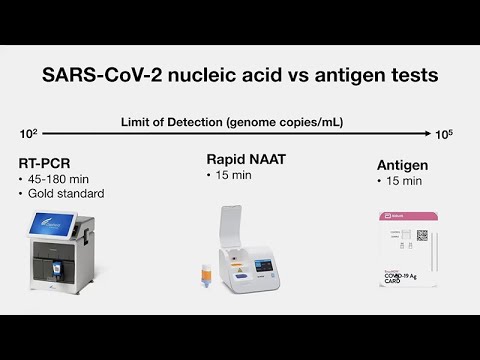
Basically, a COVID antigen test looks for specific proteins from the virus. Think of it like looking for certain clues in a detective game—if those clues are there, then it suggests you might have the virus. They’re quick and usually give results in about 15-30 minutes.
How Do You Read the Results?
When you take an antigen test, you’ll get one of two main results: **positive** or **negative**.
- Positive Result: This means that the test found enough viral material to suggest that you’re likely infected with COVID-19. But hold on! A positive result doesn’t mean you’re definitely sick; additional testing or clinical evaluation may be needed.
- Negative Result: This indicates that no significant viral proteins were found at the time of testing. You might feel relieved but remember this doesn’t mean you’re totally in the clear—especially if you’ve been exposed or have symptoms.
Anecdote Time!
I remember when my friend took an antigen test before meeting up for lunch. She was feeling a bit under the weather but thought it was just allergies. The test came back negative, and we grabbed our sandwiches without worrying too much. Later that day, she got a PCR test to confirm everything since she still felt off—and it turned out she did have COVID! Crazy how those rapid tests can sometimes miss things.
The Timing Matters
The accuracy of antigen tests can really depend on when you’re tested relative to infection timelines. If you’re tested too early or even late in your infection journey, it might not pick up on the virus as effectively. Kind of like trying to catch Pikachu during a Pokémon battle; timing is everything!
- Catching Early: If you take a test right after exposure (within 1-3 days), there’s a good chance it could give you false negatives since your body hasn’t made enough viral proteins yet.
- Catching Late: Testing too late could also yield false negatives due to decreased viral load as your body fights off the infection.
A Note on Accuracy
While these tests are great for quick screening—sometimes they miss infections compared to PCR tests which are more sensitive. Think of PCR as having super-sleuthing skills compared to antigen’s more casual approach.
Just remember that no matter what your test result is, it’s important to follow health guidelines and possibly discuss with healthcare providers if you’re unsure about anything.
In short, understanding your COVID antigen test results doesn’t need to be rocket science! Just keep in mind what those results mean and where they fit into your health picture overall—and don’t hesitate to consult professionals if needed!
What to Expect from a Positive Rapid COVID Test Result: A Clear Guide
Understanding the Meaning of C Positive or Negative COVID Test Results
When the pandemic hit, we all suddenly became experts on things we never thought we’d even think about—like COVID testing. The COVID antigen test, in particular, popped up a lot during those chaotic times. You know what I mean? If you were anything like me, you probably had a moment of panic when someone mentioned needing a test to go to a party or travel.
So, what’s the deal with these antigen tests? Well, they’re designed to detect specific proteins from the virus that causes COVID-19. It’s like when you’re trying to find your missing sock in the laundry; you’re looking for something particular. In this case, the test is hunting down those viral proteins instead of socks!
One thing that’s cool about antigen tests is how quickly they can deliver results—sometimes in as little as 15 minutes! But here’s where it gets interesting: they’re not always as sensitive as other tests like PCR ones. That means if you have a low viral load (think of it as having just a hint of that pesky virus), the antigen test might miss it. Imagine being at your friend’s house and smelling cookies baking but not finding any in the oven just yet—it’s kind of like that.
I remember hearing about a family who planned an outdoor get-together after everyone got their tests done. They were all anxious but excited to finally see each other again after months apart! One kiddo hadn’t felt well earlier that week but tested negative on an antigen test right before the gathering. Everyone was relieved! But later, he turned out to be a carrier—the sneaky little virus didn’t show up on the test.
This story highlights why it’s essential to consider context and symptoms along with test results. Antigen tests can be great for screening and quick turnarounds but should be used carefully—especially when someone has symptoms or has been exposed recently.
In the end, while these tests are helpful tools in managing public health during such a crisis, they aren’t perfect. They work best when used with caution and not just relied upon alone. Basically, keep your guard up while navigating these waters; stay informed and make good choices for yourself and your loved ones!