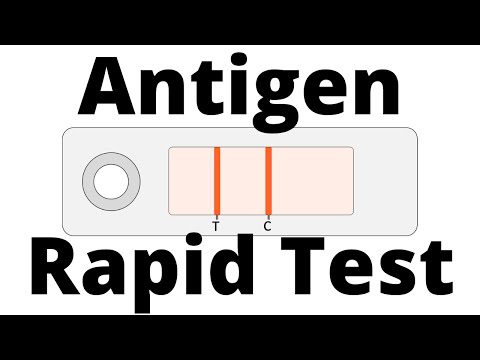
Hey! So, let’s talk about antigen tests. You know, those little things we hear about all the time now?
Este blog ofrece contenido únicamente con fines informativos, educativos y de reflexión. La información publicada no constituye consejo médico, psicológico ni psiquiátrico, y no sustituye la evaluación, el diagnóstico, el tratamiento ni la orientación individual de un profesional debidamente acreditado. Si crees que puedes estar atravesando un problema psicológico o de salud, consulta cuanto antes con un profesional certificado antes de tomar cualquier decisión importante sobre tu bienestar. No te automediques ni inicies, suspendas o modifiques medicamentos, terapias o tratamientos por tu cuenta. Aunque intentamos que la información sea útil y precisa, no garantizamos que esté completa, actualizada o que sea adecuada. El uso de este contenido es bajo tu propia responsabilidad y su lectura no crea una relación profesional, clínica ni terapéutica con el autor o con este sitio web.
They’ve become a big deal lately, especially with everything going on in the world. But honestly, do you really know how they work?
I mean, I get it; it’s a bit confusing. One minute you’re hearing about PCR tests, and the next, bam! Antigen tests are everywhere. It can feel overwhelming.
But no worries! I’m here to break it down for you in a chill way. Let’s figure this out together and clear up some of that haze surrounding these tests. Sound good?
Understanding Negative Antigen Test Results: Implications for Contagiousness
So, let’s chat about negative antigen test results and what they really mean for contagiousness. You know, these tests have become pretty common in managing health risks, especially during viral outbreaks. It’s crucial to understand what a negative result implies, so you can make informed decisions.
Negative antigen tests usually indicate that the virus isn’t present at detectable levels in your body. But here’s the catch: just because your test says “negative,” it doesn’t mean you’re in the clear. Remember when you thought you were safe in a video game just because you found that hidden shield? Well, sometimes things are a bit trickier in real life.
- A negative antigen test doesn’t rule out infection entirely. It can miss some cases of infection, especially if you’re tested too early or late in the course of the disease.
- The timing of the test is crucial. If you test right after exposure, it might not detect the virus yet. Think of it like trying to score points at the last second; timing is everything!
- Symptoms matter too! If you’re feeling unwell but your test comes back negative, don’t just ignore those feelings. You may still be contagious and should take precautions.
To illustrate this, let’s say you were around someone who later tested positive for a virus. You feel totally fine and take an antigen test – it comes back negative! Great news, right? Well, not exactly. It could just mean your body hasn’t started producing enough viral particles for the test to pick up. You might still need to check back later or get a different type of test if symptoms develop.
Implications for Contagiousness are also key here. Someone with a false negative could unknowingly spread a virus to others while assuming they’re healthy! Isn’t that wild? So taking precautions like wearing masks or keeping distance—especially around vulnerable individuals—is super important while waiting for further testing or if symptoms appear.
- If you’ve had close contact with someone positive but tested negative yourself—consider quarantining until you can retest.
- Stay aware of any developing symptoms following a negative result because that could change everything!
The bottom line is this: while a negative antigen test can be reassuring, it’s not totally foolproof. Continual awareness and caution are your best friends here! And hey, always consult with health professionals if you’re unsure—they’re there to help guide those tricky moments.
What to Do Next After a Positive Rapid Test: Practical Steps and Emotional Guidance
When you get a positive result from a rapid test, it can feel like getting hit by a ton of bricks. Seriously, it’s overwhelming. You might feel scared, confused, or even a bit angry. But hey, take a breath! Knowing what to do next can help you navigate this situation smoothly.
1. Stay Calm and Breathe
First things first, stay calm. I know it’s easier said than done! Just remember: panicking won’t change the situation. It’s totally okay to have those feelings – we’re human after all.
2. Isolate Yourself
This is super important! Try to keep your distance from others in your home as much as possible. Think of it like being in your own personal bubble, just like when you need some alone time after losing a game you cared about.
3. Get In Touch with a Healthcare Professional
You should reach out to a healthcare professional for guidance. They can provide tailored advice based on your health history and situation – this isn’t just about going online and finding random articles (even if they’re informative).
4. Monitor Your Symptoms
Keep an eye on how you’re feeling! If symptoms start to show up — like fever, cough, or difficulty breathing — you gotta seek medical help right away! Think of yourself as the player keeping track of their game stats; every detail counts!
5. Inform Close Contacts
Let those who you’ve been in close contact with know about your positive test result so they can take precautions too. It’s like sending a quick message in your group chat after realizing you’ve used the wrong strategy in the last round.
6. Plan for Testing Follow-Up
Check if you need to do another test later on or follow any specific guidelines from health authorities regarding isolation and testing options available for you.
7. Take Care of Your Mental Health
Getting that news can mess with your head, right? So be sure to practice some self-care activities that ground you; think light reading or maybe watching that favorite series you’ve been putting off forever!
Ultimately, this process is all about being proactive and informed while also taking care of yourself emotionally. Remember to lean on friends or family members during this time — it’s totally okay to ask for support when life throws curveballs at us.
And look, I’m not saying I’m an expert or anything—just sharing what makes sense based on what countless people have experienced before you! Always consider checking with professionals for personalized advice because every person is unique and deserves tailored support during these moments.
Understanding What a Positive Antigen Test Means: Implications and Psychological Responses
When we talk about a positive antigen test, it feels like opening a huge can of worms, doesn’t it? You’ve probably heard about these tests quite a bit lately. They’re designed to detect specific proteins from the virus that causes illnesses like COVID-19. So, what does a positive result mean for you and how might it affect your mind? Let’s break it down.
A positive antigen test indicates that the virus is likely present in your system. It’s like hitting a checkpoint in a video game—if you get through, there’s something more to tackle ahead. But here’s the catch: these tests aren’t as accurate as PCR tests and can sometimes lead to false positives, especially if you don’t have symptoms. Basically, they’re best at showing if you’re contagious right now.
- Immediate Implications: If your test result comes back positive, you need to isolate yourself and inform anyone you’ve been close to. Seriously, think of it as pausing multiplayer mode because you’re dealing with an unexpected boss level!
- Testing Again: You might want to follow up with a PCR test for confirmation. It’s like checking your inventory before moving on; you’d want to be sure of what you’re dealing with.
- Mental Impact: Receiving such news can trigger anxiety or fear—what will happen next? This reaction is completely normal! Just remember that it’s okay to feel wigged out!
Let me share something personal here: when I heard about someone I knew getting a positive antigen test, I felt this wave of panic wash over me. Questions started racing through my mind—what if I had been exposed? The uncertainty really had me on edge. It made me realize how our psychology plays into health situations—our minds respond as much as our bodies do!
A lot of people may also experience guilt or shame if they test positive; they might feel responsible for spreading the virus. That feeling can be heavy! Understandably so—and it’s essential to talk about these feelings with someone close or even seek professional help if needed.
So what can you do? Be proactive! Reach out for support from friends or family and focus on self-care activities that help calm your mind—maybe binge-watch some feel-good shows or dive into that book you’ve been meaning to open!
- Acknowledge Your Feelings: Don’t brush them aside. Talk them out!
- Create a Plan: If isolating is necessary, make sure you’ve got everything set up so you’re not stressing over logistics.
- Stay Informed: Use reliable sources for health information; misinformation can stoke anxiety unnecessarily.
If you find yourself overwhelmed by anxiety surrounding your results, remember that reaching out to mental health professionals is always key! They’re like the saviors in this gaming scenario—we all need them sometimes. Just remember this isn’t just about physical health but also mental well-being too.
The bottom line is a positive antigen test means taking immediate action for both health and mental clarity. You gotta face it head-on! Knowing what’s at stake empowers you—it helps keep fear at bay while making informed decisions during challenging times.
Okay, so let’s chat about antigen tests. You know, those little things that can give you a clue if you’ve got an infection or not? They’ve been around, especially with all the buzz around illnesses in recent years. It’s kinda wild how quickly we began to rely on these tests, huh?
So, here’s the scoop: antigen tests are designed to check for specific proteins from a virus. Think of them as those quick “true or false” questions during a quiz. If the answer is true, then boom! You might have the virus. If it’s false, well, you likely don’t—at least not at that moment.
I remember a time when my friend was feeling under the weather one weekend. She freaked out because she had plans to hang out with her family—and they were super careful about getting sick. So she took an antigen test right at home and bam! The result came back negative. She felt a wave of relief wash over her; she could still see her family and enjoy some tacos! But here’s the thing: those tests aren’t perfect.
Antigen tests can miss infections sometimes, especially if you’re in that tricky stage where the virus isn’t throwing its party yet but could soon. They’re great for quick results but not always reliable like other kinds of tests, such as PCR ones—that’s when you get sent off to a lab and wait longer for results.
But hey, it’s all about context too! If you’re going to an event or need clearance for something important, keep in mind that negative antigen test doesn’t automatically mean you’re totally in the clear. I mean, it might give you peace of mind—but also consider how you feel and any symptoms.
The bottom line is this: antigen tests are handy little tools but they don’t replace good old-fashioned common sense and being mindful of your health. So if you’re heading out or feeling unwell? Test away but also listen to your body—because it knows more than any test ever could!