You know that feeling when you’re deep in thought, and your mind suddenly goes blank? Yeah, we’ve all been there!
Este blog ofrece contenido únicamente con fines informativos, educativos y de reflexión. La información publicada no constituye consejo médico, psicológico ni psiquiátrico, y no sustituye la evaluación, el diagnóstico, el tratamiento ni la orientación individual de un profesional debidamente acreditado. Si crees que puedes estar atravesando un problema psicológico o de salud, consulta cuanto antes con un profesional certificado antes de tomar cualquier decisión importante sobre tu bienestar. No te automediques ni inicies, suspendas o modifiques medicamentos, terapias o tratamientos por tu cuenta. Aunque intentamos que la información sea útil y precisa, no garantizamos que esté completa, actualizada o que sea adecuada. El uso de este contenido es bajo tu propia responsabilidad y su lectura no crea una relación profesional, clínica ni terapéutica con el autor o con este sitio web.
Cognitive neuroscience psychology is all about figuring out what’s happening in your brain while you’re thinking, feeling, or even dreaming. It’s like putting together a puzzle of how our thoughts connect with our brain’s wiring.
Ever wonder why some memories stick like glue while others just float away? That’s the kind of stuff we’ll explore!
So, buckle up! We’re about to take a fun ride through the mind-brain connection that’ll make you look at your own thoughts in a whole new light.
Understanding Cognitive Neuroscience: A Comprehensive Guide to the Link Between Mind and Brain (PDF)
Cognitive neuroscience is like the bridge connecting our **mind** and our **brain**. It’s all about understanding how our thoughts and feelings are shaped by the physical stuff inside our skulls. Imagine your brain as a super complicated game console, with various parts working together to create the experiences you have every day.
So, what does cognitive neuroscience actually study? Here are some key points:
- Neural Mechanisms: This involves looking at how neurons communicate with each other. When you learn something new, certain neuron pathways are activated. Think of it like unlocking new levels in a video game!
- Brain Imaging: Researchers use techniques like MRI or PET scans to visualize brain activity. This is kinda like having a cheat code to see which parts of your brain light up when you’re solving puzzles or playing chess.
- Perception and Attention: Ever wonder why you can focus on one conversation in a crowded room? Cognitive neuroscience helps us understand how our brain filters information and prioritizes what’s important.
- Memory Systems: Memories aren’t stored in just one spot in our brains; they involve several areas working together. You know, like multiplayer games where teamwork is crucial for success!
- Cognitive Disorders: Understanding the brain’s workings can help us grasp conditions like Alzheimer’s or ADHD. By exploring these links, scientists aim to find better treatments.
Here’s a relatable story: Picture yourself hanging out with friends while trying to solve an intense trivia question on your favorite trivia app. Your brain’s prefrontal cortex—the area responsible for decision-making—lights up like it’s at a rock concert! You start piecing together fun facts from your memory and using reasoning (thanks to your hippocampus). That’s cognitive neuroscience in action!
You might be curious about games that reflect these principles. Take «Portal,» for instance; it challenges players to think critically about their environment while engaging different cognitive skills—like problem-solving and spatial awareness. Every time you figure out a puzzle, it’s almost as if you’re simulating a real-world learning experience in your mind.
Cognitive neuroscience tells us so much about ourselves! Like why multitasking can be so hard or how emotions influence decision-making. Just remember though; if you’re feeling overwhelmed—like when playing a frustrating level in a game—it’s completely okay to seek professional help. No cheat codes for life should make you feel bad about reaching out.
All this info highlights that every thought, feeling, and action has some biological basis behind it—it’s not just random stuff happening inside our heads! So when we dive into cognitive neuroscience, we’re not only gaining insights into behavior but also embracing the complexity of what makes us human.
In the end, understanding this connection between mind and brain can help us appreciate just how incredible we really are!
Cognitive Neuroscience: Understanding the Connection Between Mind and Brain
Cognitive neuroscience is like this fascinating bridge between the mind and the brain. It tries to explain how our thoughts, feelings, and behaviors connect to the physical stuff happening in our heads. So, let’s break this down a bit.
What is Cognitive Neuroscience? Well, at its core, it’s a field that combines psychology and neuroscience. Psychologists study how we think and act, while neuroscientists look into how the brain works. Together, they’ve made some pretty amazing discoveries about how we process information.
Now let’s get into something even more interesting: Cognitive Processes. These processes include things like attention, language, memory, and perception.
Another fascinating aspect is how emotions tie into cognition. Emotions can actually influence how you think and make decisions.
Lastly: Cognitive Disorders. Understanding cognitive neuroscience can help make sense of conditions affecting people’s thought processes.
So here we are! The connection between mind and brain isn’t just scientific jargon; it’s real-life stuff that affects us every day. Whether it be remembering names or focusing on tasks—it all comes down to cognitive neuroscience showing us just how intricate our minds really are.
And remember: if you’re struggling with any mental health issues or cognitive concerns, chatting with a professional can be super helpful! You’re not alone in trying to figure it all out.
Exploring Cognitive Neuroscience: Understanding the Connection Between Mind and Brain
Cognitive neuroscience is like the bridge between how we think and how our brain works. It’s a pretty thrilling field that dives deep into understanding how the mind and brain connect. Seriously, it’s fascinating stuff!
So, let’s break it down a bit. First off, cognitive neuroscience studies mental processes like memory, attention, and decision-making by looking at the brain’s structures and functions. It’s all about figuring out how our thoughts influence what happens inside our heads—and in our brains.
1. Brain Structures and Their Functions
Every little part of your brain has its job. For example, the hippocampus is essential for forming new memories, while the prefrontal cortex plays a huge role in decision-making and personality expression. When you remember your best friend’s birthday or decide what to eat for dinner, these areas are hard at work! Isn’t it amazing?
2. Tools of the Trade
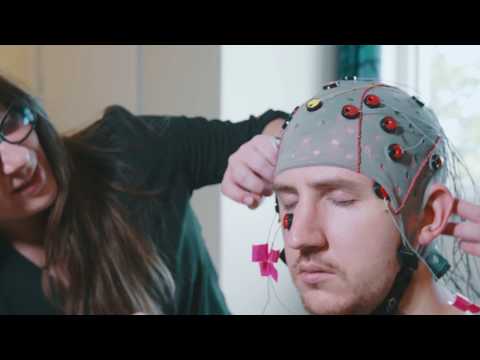
Researchers use some pretty cool technology to dive into this world. Techniques like fMRI (functional Magnetic Resonance Imaging) allow scientists to see what areas of the brain light up when performing specific tasks—like playing games that require strategy or learning a new language.
Take chess, for instance—you know how intense those matches can get? Studies show that expert players have different brain activity patterns compared to beginners when they analyze moves. This shows that experience literally changes how our brains work!
3. The Role of Neurotransmitters
Neurotransmitters are those chemical messengers in our brains that help transmit signals between neurons. Dopamine is a prime example—it’s often linked with pleasure and reward systems in our brains. So when you achieve something great in a game or get praise for something you did right? That’s dopamine giving you a high-five!
4. The Impact of Emotions on Cognition
Emotions can really sway your thought processes too! Have you ever been so angry or sad that it clouded your judgment? That’s because areas like the amygdala, which handle emotions, directly communicate with cognitive areas in the brain.
When I think back to my time taking exams—yikes! If I was anxious about it, my mind went blank even if I had studied hard; all thanks to this emotional response.
5. Practical Applications
Cognitive neuroscience isn’t just academic; it has real-world implications too! It helps shape things like educational strategies or treatments for mental health conditions like anxiety and depression by understanding precisely what’s going on in our brains during these states.
To wrap this up: while cognitive neuroscience gives us incredible insights into mind-brain connections, it’s important to remember that it doesn’t replace professional help if you’re struggling with mental health issues or cognitive difficulties.
The big picture here? Our minds and brains are interwoven in ways we’re still uncovering every day! Each discovery opens doors that might help us understand ourselves better—a journey worth taking if there ever was one!
Cognitive neuroscience psychology is like that cool bridge between our thoughts and the actual physical brain. You know, it’s where science gets to hang out with psychology and they exchange ideas on how we think, remember, and even feel. Imagine your brain as a super complex computer, but instead of wires and chips, you’ve got neurons firing off signals. It’s really wild when you start thinking about it.
I remember this one time when I was studying for exams. My brain felt like it was juggling a million things at once. One moment I’d be trying to recall a definition and the next, boom! Total blank. Turns out that’s just my neurons occasionally throwing a tantrum. Researchers in this field dig into how these little guys interact to shape our behaviors and actions.
So here’s where it gets interesting: cognitive neuroscience doesn’t just focus on the brain. It also takes into account our experiences and environments—like those days when I can study in a cozy coffee shop versus being stuck in my room feeling all claustrophobic. The context we find ourselves in can totally affect how well our brain works.
And what’s fascinating is how different parts of the brain light up depending on what you’re doing. Like when you’re solving math problems, certain areas kick into high gear, while daydreaming brings attention to completely different spots. It’s like your brain is an orchestra; each section has its role during different performances.
You know what? This field has even changed the way we understand mental health issues, too. For example, knowing which neural pathways are involved in anxiety helps create better treatments that target specific problems rather than just throwing around general solutions.
All in all, cognitive neuroscience psychology is this amazing blend of two worlds—mental processes and biological functions—that really makes you appreciate the complexity of being human. Every thought or emotion has an underlying reality tied to the structure inside your skull! So every time you have one of those «aha!» moments or grumpy days for no reason at all, just remember—it’s not all in your head; it’s literally going down inside your head!