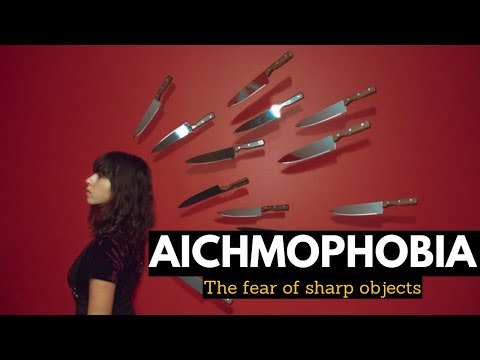
You know those moments when you see something sharp, like a knife or a broken glass, and your heart skips a beat? Yeah, that’s not just you.
Este blog ofrece contenido únicamente con fines informativos, educativos y de reflexión. La información publicada no constituye consejo médico, psicológico ni psiquiátrico, y no sustituye la evaluación, el diagnóstico, el tratamiento ni la orientación individual de un profesional debidamente acreditado. Si crees que puedes estar atravesando un problema psicológico o de salud, consulta cuanto antes con un profesional certificado antes de tomar cualquier decisión importante sobre tu bienestar. No te automediques ni inicies, suspendas o modifiques medicamentos, terapias o tratamientos por tu cuenta. Aunque intentamos que la información sea útil y precisa, no garantizamos que esté completa, actualizada o que sea adecuada. El uso de este contenido es bajo tu propia responsabilidad y su lectura no crea una relación profesional, clínica ni terapéutica con el autor o con este sitio web.
There’s actually a name for that fear: Aichmophobia. Sounds fancy, huh? But it’s pretty common.
I mean, who doesn’t feel a little uneasy around sharp objects sometimes? For some people, though, it’s more than just an “uh-oh” moment. It can be a full-on panic attack!
So, let’s chat about what Aichmophobia really is and how it affects folks. Seriously, this stuff is kind of wild!
Understanding the Root Causes of Aichmophobia: A Psychological Perspective
Aichmophobia, the fear of sharp objects, can really mess with your head. Imagine trying to enjoy a meal and feeling panic when a knife is on the table. It’s not just awkward; it can seriously interfere with daily life. So, what’s behind this fear? Let’s take a closer look.
1. Traumatic Experiences: Many phobias, including aichmophobia, often stem from past experiences. Maybe as a child, you had an accident involving sharp objects—like cutting yourself while playing with scissors or maybe even seeing someone else get hurt. Those memories can create lasting impressions and trigger anxiety around similar situations later in life.
2. Learned Behaviors: You might absorb fears from those around you—like parents or siblings who are overly cautious about knives or pointed tools. If they express their worries often enough, you could start mirroring those fears without even realizing it. It’s like when you see someone freaking out during horror games; sometimes that panic rubs off on you.
3. Sensitivity to Danger: Some people have heightened sensitivity to potential risks. If you’re naturally more anxious or prone to overthinking situations, sharp objects might seem like a bigger threat than they actually are. This makes sense if you’re the type who plays stealthily in action games, always looking out for threats at every turn!
4. Biological Factors: Genetics could play a role too! If phobias run in your family, there’s a chance you could inherit that tendency to develop irrational fears yourself. For instance, if your mom had a fear of spiders and you grew up hearing about it all the time, guess what? Your brain might connect that fear to other things too!
5. Anxiety Disorders: Sometimes people with generalized anxiety or other mental health issues might develop specific phobias as part of their overall condition. If you’re already dealing with anxiety about various aspects of life, then running into sharp objects may just add another layer of worry.
It can feel isolating when you’re grappling with these fears because not everyone understands them fully—I mean how do you explain that the sight of a pencil point sends shivers down your spine? Just remember: feelings are valid even if they seem irrational on the surface.
If you find yourself struggling with this kind of fear and it’s getting in the way of living your life comfortably, talking to someone who knows about this stuff—like a therapist—can really help break down those walls! Remember: you don’t have to deal with it alone.
Aichmophobia may seem tough to understand at first glance but breaking it down into its roots shows us that it’s not just “weird” fear; it’s often tied closely to our personal experiences and emotional responses.
How to Pronounce Aichmophobia: A Clear Guide to Understanding the Term
So, let’s talk about aichmophobia, which is just a fancy word that means the fear of sharp objects. You might be wondering how to pronounce it. Here’s the scoop: it’s pronounced as «aik-mo-FOH-bee-uh.» Breaking it down helps, right?
Now, let’s get into what this fear actually involves. People with aichmophobia might feel intense anxiety or panic when they see or think about anything sharp—like knives, needles, or even scissors. It can be pretty overwhelming, you know? Imagine preparing for a BBQ and suddenly feeling sick to your stomach because there are knives everywhere. That’s the kind of thing someone with this phobia deals with.
The severity varies from person to person. Some folks might only feel uneasy around sharp objects. Others could have full-blown panic attacks! It’s not just a cute quirk; it can really impact daily life.
Here are some things you might notice if you or someone close to you has aichmophobia:
- Anxiety or panic attacks when seeing sharp objects.
- Avoidance behavior; like skipping dinner at a friend’s house because they always have kitchen knives out.
- Physical symptoms such as sweating, shaking, increased heart rate.
- Negative thoughts; often imagining terrible scenarios involving sharp things.
Take my friend Jenna, for example. She couldn’t enjoy crafting because she was terrified of using scissors—even though she loved making cards! Every time she’d pick them up, she’d feel dizzy and want to run away. That’s the kind of dread that comes with aichmophobia.
Treatment options exist if someone is struggling. Cognitive Behavioral Therapy (CBT) is one method that helps folks change those negative thought patterns related to their fears. Gradual exposure can also work wonders; maybe starting with looking at pictures of sharp objects before moving on to holding them in safe environments.
Isn’t it wild how something like this can disrupt someone’s life? So if you ever find yourself thinking about sharp things or feeling uneasy around them, remember—you’re not alone! And just in case you’re really struggling with this fear, reaching out to a mental health professional can make all the difference.
Anyway, hopefully now you’ve got a clearer idea of what aichmophobia is all about and how to pronounce it too!
Understanding the Fear of Sharp Objects Near the Eyes: Causes, Symptoms, and Coping Strategies
Fear can be a tricky thing, right? When it comes to sharp objects near the eyes, many people experience a specific kind of fear known as Aichmophobia. This phobia isn’t just a weird quirk; it can seriously impact someone’s life. So, let’s break it down.
What is Aichmophobia?
Aichmophobia is the intense and persistent fear of sharp objects. You might think, “Well, who wouldn’t be cautious with something sharp?” But this fear goes beyond typical caution. It often leads to panic and anxiety at the mere sight of anything that looks like it could prick or poke you.
Causes
There can be several reasons behind this fear:
- Traumatic Experiences: Maybe you or someone you know has had a bad incident involving sharp objects—like getting too close to a knife during cooking.
- Anxiety Disorders: People with generalized anxiety or other specific phobias might find themselves more susceptible.
- Learned Behavior: If someone in your life reacted dramatically around sharp objects, those behaviors could rub off on you.
- Cultural Influences: Sometimes, societal views on safety and danger shape our fears more than we realize.
Symptoms
Recognizing the symptoms can really help in managing the phobia. Common ones include:
- Panic Attacks: Racing heart, sweating, shaking at the sight of anything even remotely sharp.
- Avoidance: Steering clear of places where you might encounter knives or scissors—kitchens and craft stores become no-go zones.
- Anxiety: Constantly worrying about potential encounters with sharp objects.
Let me give you an example from my friend Jamie. She tried making dinner once but freaked out when she had to chop vegetables. She ended up making toast instead! Kind of funny but also super frustrating for her.
Coping Strategies
If you’re dealing with Aichmophobia—don’t worry; there are ways to cope! Try these strategies:
- Breathe Deeply: When feeling anxious, practice deep breathing exercises. It helps calm your nerves!
- Therapy: Talking to a professional can be super beneficial. Cognitive Behavioral Therapy (CBT) has worked wonders for many.
- Meditation:: Mindfulness techniques allow you to center your thoughts away from the fear—kind of like leveling up in a game!
- Gradual Exposure:: Slowly introducing yourself to sharper items in safe environments could reduce that panic over time.
Remember—this info can help create awareness but doesn’t replace professional advice if things become overwhelming. If your Aichmophobia interferes with daily life more than you’d like or creates serious distress, reaching out for help is totally okay.
So there you go! Understanding Aichmophobia means recognizing those fears and approaching them gently. You’re not alone in this—and hey, facing fears takes strength!
Aichmophobia, huh? Sounds fancy, but at the heart of it, it’s just a fear of sharp objects. I mean, think about it: knives, needles, scissors. That kind of makes sense—those things can cut you! But the truth is, for some people, this isn’t just a “careful now” vibe; it’s a full-on panic when they see something pointy.
I remember a friend of mine had this weird fear of pencils. It was kinda funny at first—like how can you be scared of something so harmless? But then I saw her in action during art class. She would steer clear from the pencil sharpener like it was a monster waiting to strike. It hit me then that this wasn’t really about being logical. It’s just how her brain was wired. A little intense? Sure! But totally valid.
So, what’s going on with someone who has aichmophobia? Well, fear is basically your brain’s alarm system—it’s there to keep you safe. But sometimes that system gets sort of confused or overreactive. The person might have had a nasty experience in the past—maybe they got accidentally poked or cut—and now their mind links anything sharp with danger.
They might even start avoiding situations where sharp objects could show up: no kitchen work or arts and crafts for them! This can lead to some pretty awkward moments: “Hey, want to go out for sushi?” Nope! I mean, can you imagine skipping delicious food just because a knife is involved?
It’s also interesting how phobias can affect people differently—some might freeze up and feel overwhelmed just thinking about dull blades or even the sound of chopping. Others could feel physically ill and have panic attacks when faced with something sharp.
And here’s where things get tricky: if you’re not feeling it yourself, it’s hard to understand why someone would freak over an object most people take for granted. Just try telling someone who’s scared that there’s nothing to worry about—that usually doesn’t go well! Instead, being supportive and listening goes a long way.
In the end, what we learn here is that fears are as unique as we are. Aichmophobia isn’t just about being scared; it’s part of someone’s story that deserves understanding and kindness. So next time you see someone dodging those scissors in art class or eyeing that steak knife suspiciously at dinner? Just smile and give them a little grace—they’re fighting their own battle every day!