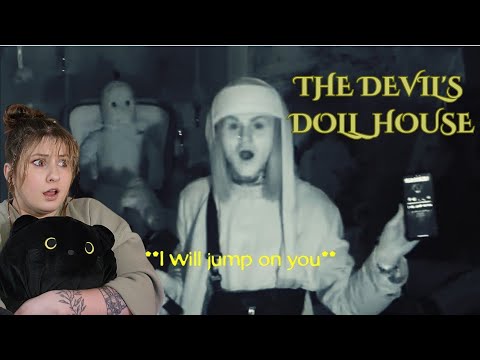
Hey friend, let’s talk about something that might sound a bit odd but is actually super relatable: pediophobia.
Este blog ofrece contenido únicamente con fines informativos, educativos y de reflexión. La información publicada no constituye consejo médico, psicológico ni psiquiátrico, y no sustituye la evaluación, el diagnóstico, el tratamiento ni la orientación individual de un profesional debidamente acreditado. Si crees que puedes estar atravesando un problema psicológico o de salud, consulta cuanto antes con un profesional certificado antes de tomar cualquier decisión importante sobre tu bienestar. No te automediques ni inicies, suspendas o modifiques medicamentos, terapias o tratamientos por tu cuenta. Aunque intentamos que la información sea útil y precisa, no garantizamos que esté completa, actualizada o que sea adecuada. El uso de este contenido es bajo tu propia responsabilidad y su lectura no crea una relación profesional, clínica ni terapéutica con el autor o con este sitio web.
You know, that eerie feeling you get when you see a doll staring at you with those big, unblinking eyes? Or when a toy seems just a tad too lifelike?
Yeah, it’s a real thing. Some people completely freak out over dolls and toys. And honestly? I get it; they can be really creepy!
But there’s more to this fear than just wanting to avoid the toy aisle. So let’s break it down and see what’s going on in those quirky brains of ours. You with me?
Understanding Pediophobia: The Fear of Puppets and Dolls Explained
Pediophobia, the fear of puppets and dolls, is one of those quirky phobias that can totally catch you off guard. Imagine walking into a room filled with doll faces staring at you. Creepy, right? That’s what folks with pediophobia might feel. It’s not just about disliking dolls; it’s a real fear that can cause some serious anxiety. So, let’s break this down without turning it into a spooky story.
The first thing to know is that pediophobia isn’t just about clowns or creepy dolls from horror movies like «Chucky.» It can stem from various experiences or feelings associated with inanimate figures. For many, it starts in childhood. Maybe they had a doll that was a bit too lifelike or saw a puppet show that just didn’t sit right.
- Origins: Fear often begins with specific experiences. A scary movie or even an unsettling toy might have triggered this phobia.
- Triggers: The fear can be connected to the lifelike appearance of dolls and puppets which stirs up feelings of unease.
- Emotional Response: When confronted with a doll or puppet, people may experience intense anxiety, sweating, or even the urge to run away.
You may wonder why these items provoke such strong reactions. It turns out that dolls and puppets often look very human but aren’t quite right—there’s a term for this called the «uncanny valley.» Basically, when something looks almost human but isn’t perfect, it tends to make us feel uncomfortable. It’s like your brain goes into overdrive trying to figure out if it’s safe or not!
Let’s take Emily’s story as an example. She loved playing with her Barbie dolls until one night when she watched an old horror flick featuring creepy porcelain dolls. After that, every time she spotted her beloved Barbies on the shelf, she felt an overwhelming sense of dread. Poor Emily couldn’t even enjoy her childhood toys anymore! This is how powerful pediophobia can be.
- Coping Mechanisms: The journey to overcoming this fear varies from person to person—there’s no one size fits all approach!
- Therapy Options: Cognitive-behavioral therapy (or CBT) is often used to help people challenge their fears effectively.
- Avoidance Strategy: Many might simply avoid places where they know there are going to be dolls or puppets—like birthday parties where clown entertainers are involved.
If you’re dealing with pediophobia yourself—or know someone who is—remember: it’s perfectly okay! There are ways to tackle this fear without diving head-first into a room full of dolls and screaming “I’m not afraid!” But please don’t hesitate to consult a mental health professional if it starts affecting daily life—that’s super important!
Pediophobia might seem odd on the surface but understanding these fears helps demystify them and opens doors for healing! In short: don’t let those little plastic faces get the best of you!
Exploring the Connection Between Pediophobia and Trauma: A Psychological Perspective
So, pediophobia is that weird fear of dolls and, um, toys. It might seem kinda strange to some, but for those who experience it, it can feel super real and kinda intense. People with this fear might avoid places like toy stores or even skip family gatherings where there might be creepy dolls hanging around. But what’s up with this fear? Well, let’s take a closer look!
Pediophobia often ties back to trauma. Maybe you had a bad experience with a doll when you were little—like that one time your creepy doll suddenly fell off the shelf in the middle of the night. Or perhaps it was more about how dolls are portrayed in movies and shows. Remember “Chucky”? Yeah, not exactly reassuring for anyone who already has fears about toys!
- Unresolved trauma: Sometimes people have past experiences that stick with them. If you saw a loved one react fearfully to something—a doll, for instance—you might pick up on that fear without realizing it.
- Association with childhood fears: Dolls and toys can symbolize childhood innocence or vulnerability. If someone faced trauma during their early years, encountering these objects can trigger those painful memories.
- Cultural influences: Think about horror movies or stories—dolls popping up as sinister characters can distort how people view them in real life. It’s all in your head but so powerful!
Now, let me tell you about my friend Mike. Growing up, his grandma had this old porcelain doll that freaked him out big time! One day at her house, he overheard an eerie story about how that exact doll had a haunted past. Ever since then? Yup! He couldn’t even walk near the doll without feeling chills down his spine.
It’s important to understand that pediophobia isn’t just being overdramatic or silly. It’s a legit phobia; something very real for those who suffer from it. It can create anxiety in social situations and hinder normal daily activities.
If you’re feeling like this resonates with you or someone close to you—I mean really struggling—then don’t hesitate to reach out for professional help! There’s no shame in talking to someone who gets it. Therapy can provide tools to cope and maybe even help diminish those fears.
In short, pediophobia connects deeply with personal experiences and cultural perceptions around trauma and fear. It might seem odd on the surface but peeling back the layers reveals emotional narratives that demand understanding rather than judgment.
All in all, better awareness around these fears helps everyone be more compassionate towards those dealing with them!
Understanding Pediophobia: The Fear of Dolls and Toys Explained
Pediophobia, wow, what a word, right? It’s that intense fear of dolls and toys. You might have heard about it in horror movies, where lifelike dolls suddenly spring to life. But in reality, this fear is no joke for some people. Let’s break it down a bit.
The thing is, pediophobia can trigger some serious anxiety responses. Picture this: you walk into an old attic filled with dusty dolls, their eyes staring right at you. Creepy, isn’t it? For someone with pediophobia, that chilling sensation is real and overwhelming.
- Why do people develop this fear? Well, there could be several reasons. Maybe it’s rooted in childhood experiences—like watching a scary movie featuring a doll that comes to life! Or it could stem from cultural stories that depict dolls as sinister beings.
- Symptoms can include sweating, rapid heartbeat, or even panic attacks when seeing a doll or toy. It’s not just being freaked out; it’s an extreme reaction that feels uncontrollable.
- Treatment options can vary quite a bit. Cognitive-behavioral therapy (CBT) is often used to help people face their fears gradually and rethink the way they view dolls and toys.
- A related concept you might find interesting is “lachanophobia,” which is the fear of vegetables! It shows how varied our fears can be—all stemming from personal experiences or cultural influences.
You know what? Sometimes it’s just the look of those dolls that’s unsettling. The more lifelike they appear—like those creepy porcelain dolls—the more anxiety they can trigger for some people. That uncanny valley effect really kicks in here! You know what I mean? It’s like they’re almost human but not quite right.
If you’re dealing with such feelings around dolls or toys yourself—or if someone you know is—it’s always smart to talk to someone who understands mental health better than your average friend or family member. They can provide help that’s tailored just for you.
And hey, if you’re ever feeling brave and want to confront your fears gradually? There are plenty of resources out there like exposure therapy techniques where you start small—maybe with pictures of friendly-looking toys before moving on to the real deal.
All in all, just remember that having fears like pediophobia doesn’t make you weird or alone; it’s more common than you think! Understanding it better might help diminish some of the power these little guys hold over us!
You know, I was chilling at a friend’s house the other day when I noticed this creepy doll sitting on a shelf. Honestly, it gave me the heebie-jeebies! It reminded me of pediophobia, which is that intense fear of dolls and toys. Yeah, some people really can’t handle it.
Picture this: you’re a kid, and there’s this doll staring at you from across the room. With that lifelike gaze and those painted-on smiles, it feels like it’s holding secrets you’re not ready to hear. I mean, who wouldn’t be freaked out? But the thing is, for some folks, this fear isn’t just about feeling uneasy; it becomes a serious issue that affects their daily lives.
What’s wild is how diverse fears can be. For some people, it’s spiders or heights; for others, it’s dolls. The roots of pediophobia can stretch back to childhood experiences—maybe someone had a scary encounter with a doll or watched a horror movie featuring one as a kid. And let’s face it; movies like *Child’s Play* didn’t exactly help diminish that fear!
But even adults can find themselves feeling anxious around these seemingly innocent objects. You might see an antique doll with glassy eyes and suddenly feel your heart race, even if you know it can’t hurt you. It’s kind of strange how our minds work like that.
If you’re feeling this kind of anxiety around toys or dolls, it’s important to remember you’re not alone in your feelings! It’s okay to talk about it or even seek help if it really gets in the way of living your life comfortably.
At the end of the day, we all have our quirks and fears—dolls just happen to be one that sticks with some people more than others. Embracing those feelings and understanding where they come from can go a long way in taking away their power over us. So if you find yourself spooked by something so seemingly harmless like a doll, just know it’s perfectly fine to feel that way!