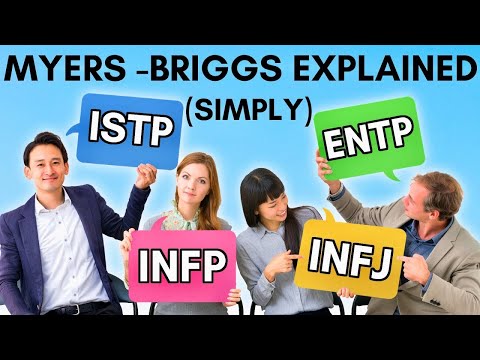
Hey! Have you ever stopped to think about what makes you, well, you? You know, like why you click with some people and not others?
Este blog ofrece contenido únicamente con fines informativos, educativos y de reflexión. La información publicada no constituye consejo médico, psicológico ni psiquiátrico, y no sustituye la evaluación, el diagnóstico, el tratamiento ni la orientación individual de un profesional debidamente acreditado. Si crees que puedes estar atravesando un problema psicológico o de salud, consulta cuanto antes con un profesional certificado antes de tomar cualquier decisión importante sobre tu bienestar. No te automediques ni inicies, suspendas o modifiques medicamentos, terapias o tratamientos por tu cuenta. Aunque intentamos que la información sea útil y precisa, no garantizamos que esté completa, actualizada o que sea adecuada. El uso de este contenido es bajo tu propia responsabilidad y su lectura no crea una relación profesional, clínica ni terapéutica con el autor o con este sitio web.
Well, let me tell ya, personality is a wild ride! It’s like a bunch of different flavors in an ice-cream shop. You’ve got your chocolate lovers, vanilla fans, and those adventurous souls who go for the strange stuff.
There’s this thing called the 16 Personality Types. Seriously! It’s all about how we think, feel, and interact with the world.
So if you’re curious about who you are or just wanna understand your pals better, come along! We’re gonna break it down together.
Understanding the 16 Main Personality Types: A Comprehensive Guide
So, let’s chat about personality types! You know how some people are super outgoing, while others are more reserved? Well, there’s a whole system to classify these differences. Basically, the theory of personality types helps us understand ourselves and each other a bit better.
We’re diving into the **16 main personality types**, and yes, it’s as interesting as it sounds! This framework is often based on the **Myers-Briggs Type Indicator (MBTI)** which categorizes us into four letters. Each letter stands for a different trait.
Here’s how it works:
- Introversion (I) vs. Extraversion (E): This dimension tells you where you get your energy from. Introverts recharge alone or with a small group; extraverts thrive in larger social settings.
- Sensing (S) vs. Intuition (N): This one focuses on how you process information. Sensors rely on concrete facts and details, while intuitive types look at the big picture and abstract ideas.
- Thinking (T) vs. Feeling (F): Here’s where it gets emotional—thinkers prioritize logic over emotions; feelers consider personal feelings in their decision-making process.
- Judging (J) vs. Perceiving (P): Judgers like structure and plans, while perceivers prefer flexibility and spontaneity.
Now, when you mix these letters together in different combinations, you get your specific personality type! For instance, an **INTJ** is someone who is introverted, intuitive, thinking-focused, and judging.
All together there are **16 types**:
- INTJ: The Architect – Great at strategizing but can be seen as aloof.
- INFP: The Mediator – Dreamy and values authenticity; sometimes struggles with decisions.
- ENTJ: The Commander – Natural leaders who can come off as too intense.
- ESFP: The Entertainer – Outgoing and loves to live in the moment but may struggle with routine.
- ISFJ: The Defender – Caring and responsible but may find it hard to say no.
- ESTP: The Entrepreneur – Energetic problem-solvers who love challenges but might avoid long-term commitments.
- INFJ: The Advocate – Idealistic builders of relationships… they seek deep connections but often feel misunderstood.
- ESTJ: The Executive – Organized leaders who value order yet may lack flexibility in their approach.
- ISFP: The Adventurer – Artistic free spirits who enjoy experiences over strict planning; they may avoid confrontation at all costs!
- xNTP: The Thinker – Analytical minds that enjoy exploring ideas—can get lost in their thoughts sometimes!
- INTP: The Logician – Curious problem-solvers that like theories but might struggle with practical application sometimes.
- ENFP: The Campaigner – Enthusiastic people who inspire others but might have issues focusing on one task for too long!
- SJ Types:– Keep things stable & organized like ISFJs & ESTJs.
– They’re essential glue for social structure!The above list shows a few common traits of popular MBTI personalities… li>Now here’s something cool: games often showcase different personality traits. Like, if you’ve played something like *Among Us*, you’ve probably seen distinct roles emerge based on how players act—some are strategic planners while others jump right into action!
Anyway, figuring out your type can help you understand what drives you or what challenges you face in relationships or work situations. Just remember though—this is just a guide to self-awareness; it doesn’t replace professional help if you’re struggling with more serious issues.
So take a little time to reflect on this info! It might just lead to some enlightening moments about yourself or those around you!
Understanding the 16 Personality Types: A Comprehensive Guide to Personality Tests
There’s something pretty fascinating about personality types, right? So, let’s talk about the 16 personality types. Many of us have probably taken a personality test at some point. Maybe it was for fun, or perhaps you were genuinely curious about what makes you tick. You know, those tests can really shed light on how we interact with the world!
The 16 Personality Types come from a system called the Myers-Briggs Type Indicator (MBTI). This tool categorizes people based on four pairs of opposing traits:
- Extraversion (E) vs. Introversion (I): This is all about where you get your energy. Extraverts recharge by being around others, while introverts prefer solitude.
- Sensing (S) vs. Intuition (N): Sensing types focus on concrete information and present realities, whereas intuitive folks look at patterns and future possibilities.
- Thinking (T) vs. Feeling (F): Thinkers make decisions based on logic and consistency, while feelers prioritize emotions and people’s experiences.
- Judging (J) vs. Perceiving (P): Judging types like structure and plans, whereas perceiving individuals tend to be more flexible and spontaneous.
Now that we’ve got that out of the way, let’s explore each of the 16 types briefly.
- ISTJ: The Inspector – Practical and responsible, they value traditions and rules.
- ISFJ: The Protector – Caring individuals who are driven by their desire to help others.
- INFJ: The Advocate – Deeply insightful with strong values; they strive to make a difference in their communities.
- INTJ: The Mastermind – Strategic thinkers who love problem-solving; often seen as independent visionaries.
- ISTP: The Crafter – Hands-on types who enjoy figuring things out through experience.
- ISFP: The Composer – Creative spirits with a deep appreciation for art and beauty in life.
- INFP: The Mediator – Idealistic and empathetic; they seek meaning in everything they do.
- INTP: The Thinker – Analytical minds who enjoy diving into complex problems for fun!
- ESTP: The Persuader – Action-oriented thrill-seekers who live life in the fast lane!
- ESFP: The Performer – Fun-loving entertainers who bring excitement wherever they go.
- ENFP: The Campaigner – Enthusiastic creators known for their imaginative ideas!
- ENTP: The Visionary – Innovative thinkers always ready to challenge the status quo!
- ESTJ: The Executive – Driven leaders focused on efficiency and organization!
- ESFJ: The Provider – Warm-hearted supporters devoted to helping those around them.
- ENFJ: The Protagonist – Charismatic mentors motivated by their genuine concern for others’ well-being!
- ENTJ: The Commander – Bold strategists eager to lead teams toward ambitious goals!
So why does this all matter? Knowing your personality type can help you understand your strengths and weaknesses better. For instance, if you’re an ENFP known for creativity but struggle with organization, it might be good to find tools or allies that help keep you grounded.
I remember when I took my first personality test—back in high school—and learned I was an INFP. At first I thought it was just goofy fun but then realized it explained so much about my tendencies to daydream or write poetry instead of focusing on math homework! It wasn’t just a label; it provided insight into my behavior.
Remember though: this isn’t a definitive guide or a replacement for professional help if you’re grappling with bigger issues! These types can offer guidance but don’t box you in completely because everyone is unique.
In essence, understanding these personality types not only helps you learn more about yourself but also improves your interactions with others—whether it’s family drama or office dynamics! So why not take a look? You might discover something new about yourself along the way!
Discover the 16 Personality Types: A Guide to Personality Quizzes and Their Insights
So, let’s talk about those 16 personality types! You might have heard of them before, especially if you’ve taken one of those fun quizzes online. The idea stems from Carl Jung’s theories and was later expanded by Isabel Briggs Myers and her mother, Katharine Cook Briggs. It’s like a framework that helps you understand yourself and the people around you better.
First off, these 16 types are divided into four main categories based on how you interact with the world: **Analysts**, **Diplomats**, **Sentinels**, and **Explorers**. Each of these categories has four distinct personalities. Think of it as splitting everyone into mini-teams based on how they operate in life.
Here’s a quick breakdown:
- Analysts: These are your thinkers. They thrive on logic and problem-solving. Examples include the INTJ («The Architect») who meticulously plans their future.
- Diplomats: These folks are all about empathy and relationships. Look at the INFJ («The Advocate»), often seen trying to help others find their path.
- Sentinels: They value tradition and responsibility. For instance, the ESTJ («The Executive») loves organization and structure at work.
- Explorers: Creative and spontaneous! Think of the ESFP («The Entertainer»), always ready for fun experiences and living in the moment.
Now, within each category are specific personality types defined by a four-letter code based on preferences such as **Introversion (I) or Extraversion (E)**; **Intuition (N) or Sensing (S)**; **Thinking (T) or Feeling (F)**; and **Judging (J) or Perceiving (P)**.
Imagine you’re at a party playing charades! An *E* type might jump right in, acting out wildly without worrying about being silly while an *I* type may quietly observe before deciding to join in once they feel comfortable.
Here’s an example: My friend Sam is an INFP («The Mediator»). He’s creative, idealistic, but sometimes he struggles with decision-making because he fears hurting others’ feelings. It’s totally relatable to see how his type shapes his approach to friendships and career choices.
Now, let’s dive deeper into why these personality types matter—besides being fun party talk! They can act as windows to your motivations, communication style, even career preferences. Knowing if you’re more of a planner like an ISTJ («The Logistician») versus a spontaneous soul like an ENFP («The Campaigner») can really change how you relate to others.
It’s also essential to remember that while these insights can be eye-opening (and hey there’s even games inspired by these personalities), they don’t replace professional help if you’re dealing with something deeper or more complex in life. Use this knowledge to improve your personal growth or teamwork skills!
So there you have it—a peek into the world of personality types that can make understanding yourself just a bit easier. Take it with a pinch of curiosity rather than setting it in stone!
You know, personality types are such a fun and interesting area to explore. I mean, when you really think about it, everyone’s got their quirks and traits that make them who they are. The idea of categorizing these into types can feel a bit like trying to put together a giant jigsaw puzzle. Each piece represents a different way we all see the world, interact with others, and even make decisions.
So let’s talk about those 16 personality types that come from the Myers-Briggs Type Indicator (MBTI). Basically, the theory breaks personalities down based on four pairs of opposing traits: Introversion vs. Extraversion, Sensing vs. Intuition, Thinking vs. Feeling, and Judging vs. Perceiving. Each person is a combination of one trait from each pair, which leads to those unique types like INFP or ESTJ.
I remember when I first took the MBTI test; it was like someone held up a mirror to me! I found out I was an INFJ—often called «The Advocate.» Reading through the description felt unreal because it captured so much about how I approach life and relationships. It’s kind of comforting to know there are others out there who feel things deeply and prefer meaningful connections over small talk.
But here’s the kicker: while these types can help us understand ourselves better—and maybe even improve our relationships—they shouldn’t box us in too tightly. Like, one day you might feel super extroverted at a party, chatting away with everyone; then the next day you just wanna curl up with a good book under your favorite blanket! You get what I’m saying?
What’s really cool about these personality types is that they can encourage empathy too. If you’re an ENTJ (The Commander), for example, you might be super focused on efficiency and decision-making—while someone who’s an ISFP (The Adventurer) might prioritize experiences and feelings over structure! Recognizing that our differences come from our unique perspectives helps us appreciate each other more.
As fascinating as these classifications are, it’s essential to remember that people are complex beings—the rich tapestry of human experience can’t be reduced down to just letters on a page or squares on a chart! In the end, these personality types can be tools for deeper understanding but shouldn’t limit our sense of who we are or where we fit in this big world.
So yeah, personality typing can spark meaningful conversations about self-discovery and relationships. But at its heart? It’s all about embracing who we are—quirks and all—and appreciating each other along this journey called life!


