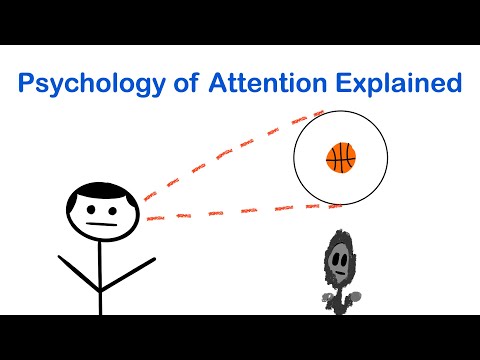
Hey! So, you know how sometimes you can be totally absorbed in a book and not even hear your friend calling your name? Or maybe you’re at a party, and somehow you catch just one conversation out of all the noise? That’s attention for ya.
Este blog ofrece contenido únicamente con fines informativos, educativos y de reflexión. La información publicada no constituye consejo médico, psicológico ni psiquiátrico, y no sustituye la evaluación, el diagnóstico, el tratamiento ni la orientación individual de un profesional debidamente acreditado. Si crees que puedes estar atravesando un problema psicológico o de salud, consulta cuanto antes con un profesional certificado antes de tomar cualquier decisión importante sobre tu bienestar. No te automediques ni inicies, suspendas o modifiques medicamentos, terapias o tratamientos por tu cuenta. Aunque intentamos que la información sea útil y precisa, no garantizamos que esté completa, actualizada o que sea adecuada. El uso de este contenido es bajo tu propia responsabilidad y su lectura no crea una relación profesional, clínica ni terapéutica con el autor o con este sitio web.
I mean, it’s wild how we can focus on one thing while tuning out everything else. There’s a whole spectrum of attention styles. Seriously, it gets pretty interesting once you start digging into it.
Hang tight because we’re about to explore the types of attention in psychology. Who knows? You might just find some stuff that hits home!
Understanding the 4 Types of Attention in Psychology: A Comprehensive Guide
Attention is one of those fascinating topics in psychology that can really shape how we experience the world. You’ve probably noticed how sometimes you can focus intently on a book, while other times your mind wanders off at the slightest noise. That’s basically what attention is about. So, there are four main types of attention that psychologists talk about, and each plays a unique role in our daily lives.
- Focused Attention: Imagine you’re trying to read a really engrossing novel and your friend starts talking about their day. You might feel pulled between the two, but with focused attention, you manage to ignore the distractions and zero in on those pages. This type of attention helps you concentrate on one thing at a time.
- Selective Attention: This is like being in a crowded café where everyone’s chatting while you’re trying to listen to your favorite song. Your brain filters out all that background chatter so you can hear the music clearly. It’s crucial for navigating noisy environments or choosing what to focus on when many things compete for your attention.
- Sustained Attention: Think about playing a game that requires long periods of concentration, like chess or maybe even Call of Duty! Sustained attention lets you keep your focus over time without losing it or getting distracted too easily. It’s essential for tasks that take longer – studying for exams or even watching a movie without zoning out!
- Divided Attention: Ever tried multitasking? Like watching TV while texting your friend? That’s divided attention at work! It allows us to manage several tasks at once, but it often comes at the cost of performance quality in each task. You might miss important plot points in that show while fumbling through messages.
You know what? Paying attention isn’t just about staying focused; it impacts everything we do—in school, work, and even relationships! For example, failing to maintain selective attention during important conversations can lead people to feel unheard or ignored.
Also, think back to times when you’ve played video games. Have you noticed how different games demand different types of attention? A fast-paced racing game? That would require sustained and divided attention as you juggle speed with steering and dodging obstacles! But if you’re playing something like Tetris? Focused attention becomes key as you place those blocks just right.
So yeah, understanding these types helps us recognize our own strengths and weaknesses when it comes to concentration and engagement. And hey, whether you’re studying that textbook or trying not to zone out during an online meeting—understanding how your brain works can make all the difference!
But remember, if you’re struggling with any kind of attention issues that affect your daily life significantly—reaching out for professional help is always a good step forward! Each type has its importance; knowing which one suits which situation can help improve how effectively we interact with the world around us.
Understanding the Six Types of Attention: A Comprehensive Overview
Sure! Let’s talk about the six types of attention in psychology. You know, attention is that amazing ability to focus on certain things while ignoring others. It feels like when you’re watching a movie and everything around you fades away. So here’s a breakdown of those types:
- Selective Attention: This is like when you’re in a noisy café, and you can still hear your friend talking over the clamor. Your brain filters out everything else so you can focus on one conversation.
- Divided Attention: Think of this as multitasking. Imagine you’re texting while watching TV. Your brain splits its focus between two tasks, but hey, it might not be able to give 100% to either!
- Sustained Attention: This type is all about maintaining focus for long periods. Like when you need to get through that crazy long book for class…and stay focused until the last page. Not easy, right?
- Alternating Attention: This is what happens when you switch your focus between different tasks or stimuli. Picture yourself playing a video game and then jumping back to answer a text message — your mind flips between the two.
- Focused Attention: This is your power mode. It’s when you’re zeroed in on one single task without getting distracted by anything else around you—like those moments when you’re deep into your favorite puzzle game.
- Joint Attention: This one’s more social! It’s like looking at something together with someone else, like pointing out something cool in a museum or sharing an interesting meme online.
Each type has its own vibe and function, right? And they all play crucial roles in how we interact with the world — whether we’re studying for exams or just trying to enjoy our favorite show.
I remember once I was at this super loud concert, trying to chat with a buddy next to me. Honestly? I was using selective attention big time! I tuned out the rest of the crowd and just listened to him. At one point, I realized my brain had totally blocked out everything else—like magic!
All in all, attention isn’t just about what we notice; it shapes our experiences every day! It’s important to recognize how these types work because if you’re struggling with focus or distraction, understanding them might help clarify what’s going on in your mind. Just remember though, if you’re having serious issues with attention—talking to someone who knows their stuff can really make a difference!
Comprehensive Guide to Types of Attention in Psychology: Downloadable PDF
Hey there! So, let’s talk about types of attention in psychology. It’s pretty cool and super important when it comes to how we interact with the world around us. Attention isn’t just about focusing on one thing; there are actually several different types of it, each serving a unique purpose.
Selective Attention is probably what you think of first. It’s like when you’re at a noisy party, but you can still hear your friend talking across the room. You’re filtering out all the background noise to focus on what matters most to you. This can be super useful in environments that are bustling with activity.
Divided Attention refers to your ability to process multiple things at once. Think about playing a video game while chatting with a friend. You’re able to keep track of what’s happening on-screen and maintain a conversation simultaneously. But watch out! If things get too hectic, your performance in either task might drop—like when you’re trying to win that tricky level while gossiping!
Now, let’s chat about Sustained Attention. This one’s all about maintaining focus over a longer period of time. You know those marathon study sessions? Yeah, that’s sustained attention kicking in! It’s crucial for tasks that require concentration for an extended duration.
Another type is Focused Attention, which is kind of like being on high alert—like when you’re watching for cars while trying to cross the street. It requires intense concentration on one specific stimulus while ignoring everything else around you.
Then there’s Alternating Attention. Picture yourself switching between two different tasks—maybe answering emails while following along with a webinar. You have to continuously shift your focus back and forth, which can be pretty tricky sometimes!
Lastly, we’ve got Executive Attention. This involves higher-level thinking processes—like planning or decision-making—and helps us manage our goals and priorities. For example, deciding which work project needs your attention first is where executive attention shines.
So that’s the lowdown on types of attention! Each type plays an essential role in how we navigate daily life and completes tasks efficiently. Just remember that if you’re struggling with focusing or any attentional issues, it might be worth chatting with a professional for personalized guidance—that’s always important!
And hey, don’t forget: understanding these concepts helps us appreciate how our brains work even better!
- Selective Attention: Focusing amidst distractions.
- Divided Attention: Juggling multiple tasks.
- Sustained Attention: Concentrating over long periods.
- Focused Attention: Intense concentration on one task.
- Alternating Attention: Switching between tasks.
- Executive Attention: Managing goals and decision-making.
Pretty neat stuff, right? Keep these types in mind next time you’re juggling life!
Hey you! Let’s chat about something that kind of shapes our daily life: attention. You know, the mental spotlight we all have that helps us focus on what’s important? Well, in psychology, there are different types of attention, and it’s pretty interesting to break them down a bit.
First off, there’s selective attention. This is like when you’re at a loud party, and somehow you can focus on your friend who’s chatting away about their latest crush while completely tuning out the background noise. You’ve probably experienced this when you’ve watched a movie and totally ignored everything else happening around you. It’s kind of like putting on your own pair of mental noise-cancelling headphones.
Then there’s divided attention – this one gets tricky! It’s when you’re trying to do multiple things at once. Picture yourself cooking dinner while also catching up on your favorite show. It feels manageable until something burns, right? That’s divided attention in action, and honestly, it can be a bit overwhelming at times.
Now, let’s not forget sustained attention. This is all about keeping that focus for an extended period. Think of studying for that big test or working on an intricate puzzle for hours. It takes some serious mental stamina! I remember pulling an all-nighter for finals one year; it was hard to keep my brain from wandering after just an hour!
Lastly, there’s alternating attention. This happens when you’re switching your focus from one thing to another seamlessly—like juggling tasks throughout the day or changing gears at work from answering emails to jumping into meetings without losing your train of thought.
So why does understanding these types matter? Well, take comfort in knowing we all manage our focus differently based on what we’re doing or how we’re feeling! Some days might feel like a mess because your selective attention isn’t kicking in as it should. Other days you’ll find it easy to tune everything else out and really zone in.
In the end, our attention is constantly shifting back and forth between these types throughout the day, depending on what we need to be effective at any given moment. So next time you’re multitasking or struggling to concentrate—don’t be too hard on yourself! Just remember: it’s normal to have those ups and downs with how we pay attention to the world around us. Seriously—you’re not alone in this crazy juggling act called life!

