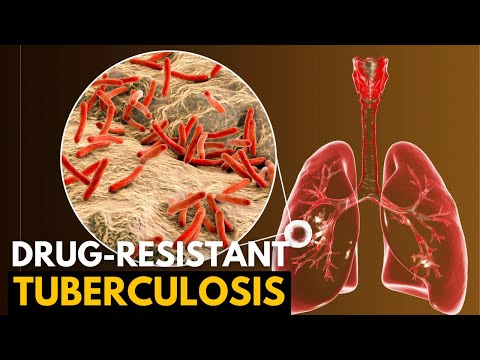
Hey there! So, let’s talk about TB. You might have heard of it, maybe not. But it’s one of those things that’s sneaky and can affect anyone. Seriously, don’t let its old-school vibe fool you!
Este blog ofrece contenido únicamente con fines informativos, educativos y de reflexión. La información publicada no constituye consejo médico, psicológico ni psiquiátrico, y no sustituye la evaluación, el diagnóstico, el tratamiento ni la orientación individual de un profesional debidamente acreditado. Si crees que puedes estar atravesando un problema psicológico o de salud, consulta cuanto antes con un profesional certificado antes de tomar cualquier decisión importante sobre tu bienestar. No te automediques ni inicies, suspendas o modifiques medicamentos, terapias o tratamientos por tu cuenta. Aunque intentamos que la información sea útil y precisa, no garantizamos que esté completa, actualizada o que sea adecuada. El uso de este contenido es bajo tu propia responsabilidad y su lectura no crea una relación profesional, clínica ni terapéutica con el autor o con este sitio web.
Now, I know you’re probably thinking, «Why should I care?» Well, this disease has symptoms that can mess with your day-to-day life. It’s not just a cough and that’s it!
And the treatment? Oh man, there’s a lot to unpack there too. Sometimes it feels like a marathon rather than a quick sprint. But don’t worry! I got your back on how to tackle it head-on.
Plus, let’s chat about how to keep yourself safe. Because who doesn’t want to avoid that headache, right? Just hang tight; we’re diving into the nitty-gritty of TB in no time!
Essential Do’s and Don’ts for Managing Tuberculosis: A Practical Guide
Managing tuberculosis (TB) requires a solid understanding of the disease and how to handle it effectively. Let’s break down the essentials—what you should do, and what you definitely shouldn’t.
Understanding TB
TB is an infectious disease that primarily affects the lungs but can also affect other parts of the body. It spreads through the air when a person with active TB coughs or sneezes. Symptoms often include:
- Persistent cough lasting three weeks or longer.
- Chest pain or discomfort.
- Coughing up blood.
- Fatigue, weakness, or weight loss.
- Fever and night sweats.
If you notice any of these symptoms, it’s crucial to see a healthcare provider right away.
Do’s for Managing TB
1. **Follow Treatment Plans**: If diagnosed with TB, sticking to your treatment plan is super important. This usually involves taking antibiotics for several months. Missing doses can lead to drug resistance, which is much harder to treat.
2. **Get Regular Checkups**: Regular visits with your doctor help monitor your progress. It’s also a good way to catch any potential issues early.
3. **Practice Good Hygiene**: Cover your mouth when coughing, and wash your hands frequently. This helps stop the spread to others.
4. **Maintain a Healthy Lifestyle**: Eating well and getting enough rest boosts your immune system, making you stronger against infections.
5. **Inform Close Contacts**: Letting people around you know about your condition helps them stay vigilant about their health too.
Don’ts for Managing TB
1. **Don’t Skip Medications**: If you’re feeling better after a few weeks on treatment, resist cutting corners! Stopping early isn’t safe and could lead to more severe complications later on.
2. **Avoid Close Contact with Others**: Until you’re no longer contagious (which can take weeks), try not to spend too much time in close quarters with other people, especially children and those with weakened immune systems.
3. **Don’t Ignore Symptoms**: If new symptoms arise or if current symptoms worsen, don’t brush them off! Reach out to your healthcare provider immediately.
4. **Stay Away from Alcohol and Drugs**: These can interfere with treatment effectiveness and might make side effects worse.
5. **Don’t Panic or Isolate Yourself Completely**: While it’s essential to take precautions, isolating yourself completely can hurt your mental health! Stay social within safe boundaries; talk virtually with friends or family if needed!
In summary, managing tuberculosis means being proactive about treatment and communication while staying mindful of hygiene practices that protect both yourself and others around you. This isn’t just a personal battle; it affects everyone in your community too!
Remember though—this info doesn’t replace professional medical advice! Always consult with healthcare providers for personalized strategies based on your specific situation because everyone’s journey is unique!
Understanding How Tuberculosis Leads to Fatality: The Biological and Psychological Impacts
Tuberculosis (TB) is a serious infectious disease caused by the bacterium *Mycobacterium tuberculosis*. It usually affects the lungs but can impact other parts of the body too. For those dealing with TB, it’s not just a physical battle; there’s a psychological side that can be pretty tough to handle.
Symptoms of TB can be really distressing. You might experience:
- Persistent cough that lasts more than three weeks
- Chest pain or discomfort
- Weight loss and loss of appetite
- Night sweats and fever
- Tiredness or fatigue
These symptoms can make everyday life feel overwhelming. I remember my friend Sam, who had TB. He felt so exhausted all the time, like he was climbing a mountain even just to get out of bed. His mood really plummeted, and it made dealing with his treatment even harder.
When it comes to treatment, TB isn’t something you want to ignore. The standard treatment typically involves a lengthy course of antibiotics for six months or more, which requires strict adherence to the medication schedule. Missing doses can lead to drug-resistant strains, making things worse. It’s kind of like playing a poorly designed level in a video game—you’ve got to keep your character alive while navigating tricky obstacles.
But here’s where it gets tricky: The stress and stigma surrounding TB can take a toll on mental health too. People may feel isolated or embarrassed about having an infectious illness, leading to anxiety or depression. That emotional load is so real! Sometimes, it feels harder than fighting off the bacteria.
Psychologically speaking, there could also be fear about prognosis and potential fatality—you know? That nagging thought at the back of your mind like «What if things don’t go well?» Such worries can hit hard, compounding feelings of hopelessness.
On top of that, there’s often pressure from family expectations and societal perceptions regarding illness and recovery. This is especially true in cultures where health reflects directly on family honor or social standing.
Now let’s talk about prevention. To keep TB at bay:
- Avoid close contact with infected individuals.
- Get vaccinated with Bacillus Calmette-Guérin (BCG) if you’re at high risk.
- Practice good hygiene—like covering your mouth while coughing.
- Ensure proper ventilation in living spaces.
It’s important for everyone to stay informed—an empowered community is better equipped to manage outbreaks! But remember: this information doesn’t replace professional help. If you think you might have TB or have been exposed to someone who has, talking to a healthcare provider should be your first step.
In summary, dealing with tuberculosis involves much more than just tackling bacteria; it’s also about managing the emotional roller coaster that comes along for the ride. Keeping lines of communication open—for both physical health and mental well-being—is key in these situations!
Effective Strategies for the Prevention of Tuberculosis: Incorporating Psychological Factors for Better Outcomes
I’m really excited to dive into something super important today: tuberculosis, or TB for short. It’s a disease that has been around for ages, and understanding how to prevent it can really save lives. So let’s take a closer look at what TB is, its symptoms, treatment options, and especially how incorporating psychological factors can improve prevention strategies.
Tuberculosis Symptoms
First off, you need to know what to watch for. TB primarily affects the lungs but can impact other parts of the body too. Common symptoms include:
- A persistent cough lasting more than three weeks
- Chest pain
- Unintentional weight loss
- Fatigue
- Night sweats or fever
- Coughing up blood (yikes!)
If you ever start experiencing these symptoms, it’s crucial to get checked out by a healthcare professional.
Treatment Options
Now, if you do get diagnosed with TB, don’t panic. The good news is that it’s treatable! Treatment typically involves a long course of antibiotics—usually around six months. It’s important to finish the medication completely; otherwise, the bacteria can become resistant and harder to treat later on.
But here’s where psychology comes into play. Adherence to medication can be tough for some people because of various factors like side effects or just plain forgetfulness. That’s why understanding **why** someone might struggle with taking their meds matters a lot.
Psychological Factors in Prevention
1. **Education**: Knowledge is power! Understanding TB helps demystify it. Letting people know what TB is and how it spreads can reduce anxiety and encourage them to take preventive measures seriously.
2. **Behavioral Change**: Sometimes people know they should do something (like getting tested) but don’t act on it. Strategies such as motivational interviewing can help individuals explore their reasons for resistance and develop their path towards taking action.
3. **Social Support**: Having friends or family who encourage healthy behaviors makes a big difference! Picture playing a team game—everyone needs support to win!
4. **Stress Management**: Chronic stress weakens your immune system making you more vulnerable to infections like TB. Techniques such as mindfulness or yoga can be really helpful in reducing stress levels.
5. **Community Engagement**: Working together as a community creates a sense of shared responsibility in preventing the spread of TB! Local health campaigns often include education sessions which not only inform but also empower communities.
6. **Screening Programs**: Regular screening in places where TB is common—like crowded living conditions—can catch cases early before they spread further.
So overall, when prevention strategies mix in psychological considerations with traditional methods—like education about hygiene practices—you’ve got a stronger defense against this tricky disease!
In Summary
Remember, this info isn’t meant to replace professional medical advice; it’s just here to help you understand the bigger picture around tuberculosis prevention better! If you’re feeling unwell or worried about exposure—you know what? Don’t hesitate; reach out to your healthcare provider right away!
By fusing science with human psychology, we could be looking at better health outcomes not just for individuals but for entire communities battling against tuberculosis together! Pretty inspiring stuff if you ask me!
You know, talking about tuberculosis (TB) sounds a bit heavy, but it’s important. TB is a disease that’s been around for centuries and still affects millions of people today. I remember my friend Jenna who traveled abroad for a charity project. She ended up getting tested for TB before leaving because, well, it’s one of those things you don’t want to mess with.
So let’s break it down a bit. TB is caused by bacteria that primarily affect your lungs, but it can hit other parts of the body too. When someone with active TB coughs or sneezes, they send tiny droplets into the air that can be inhaled by others. Pretty scary, right? Symptoms usually include a persistent cough that lasts more than three weeks, along with fever, night sweats, and weight loss. It can feel like you’re just dealing with a bad cold at first.
But here’s the kicker: not everyone who gets infected shows symptoms right away. This is called latent TB infection; it means the bacteria are hanging out in your body but not causing any trouble—yet! If you have this latent form without treatment, you run the risk of developing active TB later on.
Now let’s talk about treatment because that’s where hope comes in! Generally, TB treatment requires multiple antibiotics over several months—like six to nine months or longer depending on the situation. It sounds tough and time-consuming but sticking to the meds is key to beating this thing and preventing drug resistance.
And what about prevention? Well, there are vaccines available in some countries; there are also simple measures like improving ventilation in crowded places and covering your mouth when coughing or sneezing—just common courtesy really! Regular check-ups in high-risk areas can save lives too.
In the end, while TB might seem like an ancient disease from history books, it’s still real and present in our world. I mean, knowing what to watch out for and how to take care of yourself—and others—can make such a difference. So whether it’s staying informed or advocating for better healthcare access—every little bit matters!