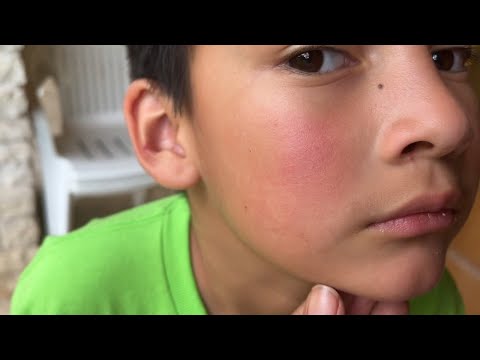
Hey there! So, let’s chat about something a bit different today—fifth disease. Sounds kind of mysterious, right? Like some secret club no one wants to be part of?
Este blog ofrece contenido únicamente con fines informativos, educativos y de reflexión. La información publicada no constituye consejo médico, psicológico ni psiquiátrico, y no sustituye la evaluación, el diagnóstico, el tratamiento ni la orientación individual de un profesional debidamente acreditado. Si crees que puedes estar atravesando un problema psicológico o de salud, consulta cuanto antes con un profesional certificado antes de tomar cualquier decisión importante sobre tu bienestar. No te automediques ni inicies, suspendas o modifiques medicamentos, terapias o tratamientos por tu cuenta. Aunque intentamos que la información sea útil y precisa, no garantizamos que esté completa, actualizada o que sea adecuada. El uso de este contenido es bajo tu propia responsabilidad y su lectura no crea una relación profesional, clínica ni terapéutica con el autor o con este sitio web.
Well, it’s actually not that scary. It’s a common viral infection that can hit kids, mostly, but adults can get it too. You know how sometimes you think you’ve got the flu, and then a rash pops up? Yep, that’s pretty much what we’re talking about here.
We’re diving into what those pesky rashes look like, why they show up in the first place, and how to handle them when they do. Stick around; you might just find this super helpful!
Best Creams for Managing Symptoms of Fifth Disease: A Guide for Caregivers
It’s a real bummer when kids catch Fifth Disease, also known as parvovirus B19. The red rash that pops up on those little cheeks can freak out parents and caregivers. But don’t worry, let’s break this down together, okay?
First off, what’s Fifth Disease? It mostly shows up in kids aged 5 to 15 and is often harmless. Symptoms usually include a mild fever, runny nose, and that signature rash that looks like a butterfly on the cheek. The rash will sometimes spread to the body, giving it that «lacy» appearance.
Now onto the treatment options. A lot of times, you don’t really need to do much besides wait it out. Most cases are mild and resolve on their own. But if your kiddo is feeling pretty miserable—maybe their skin is itchy or irritated—there are some creams and treatments you can consider.
- Corticosteroid Creams: These can help reduce inflammation and itching. Just make sure you’re not overusing it! A little goes a long way.
- Moisturizers: Regular lotion can really help soothe the skin. Look for thick creams without fragrances to keep things gentle.
- Antihistamine Creams: If itching becomes unbearable, these might give some relief as well.
- Cold Compresses: Okay, it’s not a cream but trust me—it works wonders! A cool cloth applied to the rash helps calm the irritated skin.
So let me share this quick story: I had this friend whose kid caught Fifth Disease during summer camp. They were all set to go hiking but instead ended up with a nasty rash! Thankfully, they used some good moisturizer and kept her cool with cold packs. It totally worked! Within days, she was back at camp having fun with her friends.
It’s crucial to remember though that even if these treatments can help ease symptoms, they don’t cure Fifth Disease itself. Always check in with your family healthcare provider for personalized advice before trying something new.
Also worth noting: If your child has any underlying health conditions, or if you’re ever unsure about their symptoms, it’s best to reach out for professional guidance.
In summary, while Fifth Disease typically runs its course without serious intervention, caring for those annoying symptoms can make all the difference in your child’s comfort level. Keep an eye on them—hydration is key too! With some patience and proper care you’ll both get through this just fine!
Understanding the Triggers of Fifth Disease Rash: A Comprehensive Guide
Fifth Disease is one of those childhood illnesses that can sound scarier than it actually is. You know, like when you’re about to play a video game and you see an intimidating final boss, but then it turns out to be not so tough? Yeah, that’s Fifth Disease for you.
What is Fifth Disease?
Also known as erythema infectiosum, it’s caused by the human parvovirus B19. This virus often runs through schools like wildfire, primarily affecting kids ages 5 to 15. The primary symptom? A telltale rash that looks like someone took a red crayon and scribbled all over your cheeks.
How Do You Know if You’ve Got It?
The rash typically comes in three stages:
- Initial symptoms: It generally starts with mild flu-like symptoms—think low-grade fever, sore throat, or headache.
- The rash: After those first signs, the infamous rash appears. Usually starts on the cheeks, giving that “slapped cheek” look before spreading to the body.
- The fading phase: The rash may last several days but can reappear when you’re upset or exposed to sunlight—like trying to defeat an annoying level in your favorite game!
What Triggers Fifth Disease Rash?
So, what exactly triggers this rash? Well, it’s mainly a viral infection. Parvovirus B19 spreads through respiratory droplets from coughs or sneezes. It’s quite contagious during its early stages.
But wait! Not everyone will get symptoms even if they catch the virus. Some people may already have immunity due to past exposure or vaccination against similar viruses.
Treatment Options
Now here’s the kicker; there’s really no specific treatment for Fifth Disease since it’s viral. Most folks just need rest and hydration while their immune system does its thing.
- Pain relief: Over-the-counter pain relievers can help ease discomfort.
- Avoiding triggers: Since rashes can reappear during stress or after exposure to sunlight, keeping cool might help—kind of like taking a break from playing when things get too intense!
- If severe anemia occurs: In rare cases where anemia develops (especially in those with existing health issues), medical attention might be needed for additional treatment.
Anecdote Time!
I remember my friend’s little brother coming home from school one day looking like he’d been painted by a toddler. His cheeks were bright red! Everyone panicked thinking he had some serious illness. But once we figured it out—yup, just Fifth Disease—we all had a good laugh about how he looked like he was dressed up for Halloween weeks early!
In summary (not that I’m wrapping up just yet!), while Fifth Disease can be bothersome with its distinctive rash and flu-like symptoms, most cases are pretty mild. However, always check with your healthcare provider if you’re unsure about any symptoms or conditions because everything I’ve shared isn’t meant to substitute professional help!
So there you have it! Easy peasy when we think about it together!
Understanding the Stages of Fifths Disease Rash: Symptoms and Psychological Impact
Fifth disease, often recognized by its distinctive rash, is a viral infection caused by parvovirus B19. The rash usually starts on the cheeks, giving that “slapped face” look, and then spreads to the body and limbs. It’s common in children but can affect adults too.
Stages of Fifth Disease Rash
The rash tends to appear in stages:
- Stage 1: It kicks off with fever, runny nose, and headache for about a week.
- Stage 2: Then comes that famous bright red rash on the cheeks. You might think your kid just went playing in the snow!
- Stage 3: After a few days, the rash begins to spread to other parts of the body. It can become lacy or net-like in appearance on arms and legs.
- Stage 4: Finally, the rash may fade but can reappear during stress or heat for several weeks.
It’s not always easy to spot if you’re not familiar with it. I remember a friend’s little one had it and we all thought she’d just gotten into a fight with some crayons!
Symptoms of Fifth Disease
Along with the rash, symptoms can include:
- Mild fever
- Sore throat
- Joint pain (especially in adults)
Not everyone experiences all these symptoms; sometimes it’s just that pesky rash!
Psychological Impact
Now let’s talk about something often overlooked: the psychological impact. Being sick can be stressful not only for kids but also for parents. Kids might feel embarrassed or worried about how they look during an outbreak. Imagine being at school and having everyone stare at your face like you’re some sort of monster! It could easily lead to feelings of isolation or anxiety.
Adults aren’t off the hook either; joint pain can be frustrating and make daily tasks seem daunting. That leads to mood swings—you know how it is when you’re uncomfortable; everything seems like such a big deal.
Sometimes talking about these feelings helps. Sharing experiences with others who’ve had fifth disease can really bring comfort. It helps cut through that feeling of loneliness.
Treatment Options
When it comes to treatment:
- Most cases simply require rest and hydration.
- Pain relief medications might help ease joint discomfort.
- A doctor may suggest antihistamines if itching occurs due to rashes.
There’s no specific medication for fifth disease since it’s viral—so patience is key here!
In case you suspect fifth disease or have concerns about symptoms, chatting with a healthcare provider is always smart—they’ll give you guidance tailored just for your situation.
So yeah, while fifth disease can feel scary because of that funky rash and all, knowing what you’re up against can take some weight off your shoulders!
Okay, so let’s chat about Fifth Disease. It sounds a little ominous, but honestly—it’s not as scary as it sounds. It’s also known as “slapped cheek” disease, which makes it sound like something out of a cartoon, right? But this condition is more common than you might think, especially in kids.
You know, I remember when my friend’s son came down with it. He had this bright red rash on his cheeks that looked like he’d been playing too hard in the sun! At first, we all freaked out a bit, thinking it was some serious thing. But it turns out he was totally fine.
So here’s the scoop: Fifth Disease is caused by the parvovirus B19. It mainly affects kids but adults can get it too—so don’t think you’re off the hook! The symptoms usually start with mild fever and achy joints. You might even feel a bit tired or have a runny nose before that rash shows up. And that rash? It starts on the face and then spreads to other parts of the body.
Now let’s talk treatment options—because that’s important! There’s really no specific treatment for Fifth Disease; it’s mostly about managing symptoms. So if you’ve got a fever or your joints are sore, over-the-counter pain relievers can help ease that discomfort—it works like magic sometimes! Hydration is key too; just make sure to drink plenty of fluids.
But hey, here’s a silver lining: once you’ve had Fifth Disease, you typically won’t get it again. Your body builds immunity against that virus after one go-round!
All in all, while seeing that vibrant rash or those initial flu-like symptoms can be alarming at first glance—especially for parents—it generally resolves on its own without any major complications. So if you or someone you know catches this bug, just keep an eye on things and seek medical advice if needed—but most importantly? Don’t stress out too much! You’ve got this!


