You know those characters in stories that just give you the creeps? The ones lurking in the background, throwing off major bad vibes? That’s what we call shadow archetypes.
Este blog ofrece contenido únicamente con fines informativos, educativos y de reflexión. La información publicada no constituye consejo médico, psicológico ni psiquiátrico, y no sustituye la evaluación, el diagnóstico, el tratamiento ni la orientación individual de un profesional debidamente acreditado. Si crees que puedes estar atravesando un problema psicológico o de salud, consulta cuanto antes con un profesional certificado antes de tomar cualquier decisión importante sobre tu bienestar. No te automediques ni inicies, suspendas o modifiques medicamentos, terapias o tratamientos por tu cuenta. Aunque intentamos que la información sea útil y precisa, no garantizamos que esté completa, actualizada o que sea adecuada. El uso de este contenido es bajo tu propia responsabilidad y su lectura no crea una relación profesional, clínica ni terapéutica con el autor o con este sitio web.
They’re not always the villain, but they definitely carry some heavy stuff—think about that character who represents your deepest fears or hidden flaws. Kind of like a mirror showing you what you don’t wanna see, right?
And here’s the cool part: these shadowy figures pop up in both literature and psychology. Seriously, they help us understand not just stories but ourselves, too!
So, grab your favorite snack, and let’s chat about some wild examples of these shadow archetypes and how they play out in tales we know and love.
Understanding Shadowing in Psychology: A Clear Example
Shadowing in psychology is a fascinating concept that connects deeply with our own inner struggles. When we talk about shadowing, we’re diving into the idea of the shadow archetype, which was introduced by Carl Jung. The shadow represents those parts of ourselves that we might not be proud of or prefer to ignore—like jealousy, anger, or insecurity. Jung believed that acknowledging these darker aspects is essential for personal growth.
Let’s break it down a bit. Imagine you’re playing a character in a video game. Say you choose the noble hero. You fight for justice and help others, right? But what if your character secretly wants power and revenge? That’s your shadow side creeping in! It’s the part of your character that doesn’t fit neatly into the heroic mold but is still there, influencing actions and decisions.
Now, let’s look at some examples from literature to shed more light on this. Think about Dr. Jekyll and Mr. Hyde by Robert Louis Stevenson. In this classic tale, Jekyll represents the respectable side of humanity while Hyde embodies his darker impulses—the shadow! Jekyll tries to suppress Hyde but eventually realizes he can’t escape his own nature.
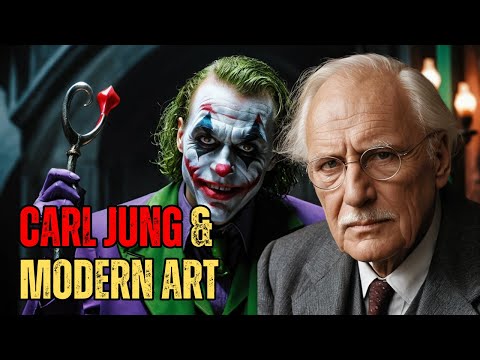
Another great example is *Batman* and his arch-nemesis *The Joker*. Batman stands for order and justice, whereas The Joker symbolizes chaos and anarchy—the ultimate shadow figure! When you watch their dynamic unfold, it’s like a dance between light and dark within one character’s psyche.
So why should you care? Well, recognizing your own shadow can lead to a more complete understanding of who you are as a person. Acknowledging those tricky emotions can lessen their power over you—and maybe even make you kinder towards yourself.
Here are some key points about shadowing:
- Integration: Embracing both light and dark sides can lead to personal growth.
- Awareness: Understanding your shadow helps reduce its control over your behavior.
- Creativity: Many artists tap into their shadows to create compelling work; think of horror films or dark literature!
In everyday life, if you’ve ever felt irrational anger flare up during an argument—maybe over something small—ask yourself: what’s really going on here? That could be a moment when your shadow is showing itself! Instead of pushing those feelings away, consider exploring them for better self-awareness.
You know what? Embracing all facets of who we are can be challenging but so rewarding! Just remember that diving into these depths doesn’t substitute professional help if you’re dealing with deeper issues. Talking to someone qualified can provide valuable support as you navigate through your shadows.
All in all, the concept of shadowing highlights how important it is to recognize our full selves—the good stuff as well as the not-so-great stuff. By doing so, you’re giving yourself a chance to become more authentic and whole—just like those complex characters we love in stories!
Exploring Carl Jung’s Shadow Archetype: Key Examples in Literature and Psychology
Ever heard of Carl Jung’s shadow archetype? It’s pretty intriguing stuff! Basically, the shadow represents the parts of ourselves that we don’t like to acknowledge. You know, those hidden traits and feelings we prefer to push aside. Jung believed that facing our shadows can lead to personal growth and deeper understanding. So, let’s take a look at this concept and some examples in literature and psychology.
The shadow consists of all the thoughts, emotions, and behaviors that you might consider undesirable or socially unacceptable. Jung proposed that everyone has a shadow; it’s part of being human. Acknowledging it can be the first step toward integrating these aspects into consciousness.
- Literature Example: Dr. Jekyll and Mr. Hyde – This classic by Robert Louis Stevenson encapsulates the struggle between one’s public persona (Dr. Jekyll) and darker impulses (Mr. Hyde). The book illustrates how repressing one’s shadow can have catastrophic consequences.
- The Great Gatsby – In F. Scott Fitzgerald’s novel, Gatsby represents the extravagant dreams we cherish while his shady dealings show how society often hides its own darkness behind glamour. The characters embody their shadows through lies and moral ambiguity.
- Harry Potter Series – Think about Voldemort vs Harry! Harry fights against his shadow side every day, grappling with fears and desires he doesn’t want to admit to having, like when he faces his inner turmoil in «The Order of the Phoenix.»
- Psychology Example: Fear of Failure – Many people carry a shadow related to fear of failure, which can manifest as procrastination or self-sabotage. It’s a way our psyche tries to protect us from pain but often keeps us stuck.
- Therapeutic Practices – Therapists sometimes use techniques like journaling or art therapy to help individuals explore their shadows safely and creatively. This process encourages confronting what’s hidden rather than avoiding it!
You might wonder why it’s crucial to embrace our shadows rather than ignore them? Well, when we avoid these darker parts, they often find sneaky ways to express themselves—like through anxiety or anger bursts! Engaging with your shadow can lead to greater self-acceptance and emotional resilience.
This is significant in pop culture too! Video games like «Hellblade: Senua’s Sacrifice» delve into mental health issues showing how confronting one’s demons—literally in this case—can be transformative.
In short, facing your inner darkness may seem intimidating but it could lead you towards a more integrated self—a better you! Just keep in mind that if things get overwhelming or if you’re struggling with deeper issues, seeking professional help is always a good idea!
Understanding the 12 Shadow Archetypes: A Guide to Personal Development and Self-Awareness
It’s interesting to think about how our personalities are made up of different parts, isn’t it? One concept that dives into this idea is the shadow archetype, which comes from the work of Carl Jung. Basically, your shadow is made up of all those hidden, often darker aspects of yourself—stuff you might not want to acknowledge or even know about. But hey, understanding these «shadow archetypes» can really boost your personal growth!
So, let’s break down these 12 shadow archetypes. Each one has its own unique characteristics and can show up in different ways.
- The Innocent: This one’s all about optimism and hope. Think of someone like Dorothy from “The Wizard of Oz.” She symbolizes purity but can also be naive.
- The Orphan: Feeling abandoned or alone? The Orphan embodies that sense of loss but also resilience—like Harry Potter who learns to fend for himself against all odds.
- The Warrior: Strength and bravery are key here. A character like Katniss Everdeen from “The Hunger Games” represents this archetype by fighting for what she believes in.
- The Caregiver: Remember Mary Poppins? She embodies nurturing and selflessness but can sometimes neglect her own needs while caring for others.
- The Seeker: Always on a path to find meaning, Frodo from “The Lord of the Rings” showcases this archetype well. He seeks adventure but faces many fears along the way.
- The Lover: Passionate and romantic, think of Romeo from “Romeo and Juliet.” This archetype craves connection but can fall into obsession if not careful.
- The Creator: Full of imagination! Characters like Willy Wonka bring creativity to life but might struggle with perfectionism as they chase their vision.
- The Joker: Light-hearted yet tricky! This archetype loves humor like the Cheshire Cat in “Alice in Wonderland,” but might use laughter to hide deeper issues.
- The Sage: This one seeks wisdom. Yoda from “Star Wars” is a classic example, guiding others through knowledge but sometimes feeling isolated by his own insights.
- The Destroyer: The dark side lives here! Characters like Darth Vader embody destruction often as a coping mechanism for unresolved pain or trauma.
- The Ruler: Authority and control come into play. Think about characters like King Lear, who struggles with power dynamics and their consequences on those around him.
- The Rebel: Breaking the rules is what this archetype does best! Like V from “V for Vendetta,” rebels challenge authority but risk chaos without a clear direction.
You know what? Recognizing these shadows within yourself can feel vulnerable at first. I remember when I discovered my inner Orphan during a tough time in my life—realizing that fear didn’t have to define me was huge! It pushed me toward growth instead.
Real talk: acknowledging these shadows doesn’t just mean recognizing them; it also means integrating them into your personality in a healthy way. You might find that certain shadows pop up more frequently during stressful situations or significant life changes.
In literature and psychology, these examples show us that understanding our shadow selves can lead to greater self-awareness. It allows us to embrace all parts of who we are, good and bad, without living with shame.
Finally, keep in mind that while exploring shadow archetypes is super valuable—it doesn’t replace professional therapy or support when you need it. So lean into what you discover about yourself!
You know, when you think about the shadow archetype, it’s kind of fascinating how it pops up all over the place—especially in literature and psychology. It’s like that sneaky part of ourselves we don’t always want to face. Carl Jung, this brilliant psychologist, came up with this idea that we all have a shadow side. It’s made up of those traits, feelings, and impulses we often shove down because society tells us they’re “bad” or “wrong.”
Take a moment and think about a classic character like Dr. Jekyll from «Strange Case of Dr Jekyll and Mr Hyde.» Seriously! He embodies the shadow archetype perfectly. On one hand, you’ve got this respectable doctor who wants to be good. But then there’s Hyde—his darker counterpart that acts on impulse without restraint. The struggle between these two sides reflects our own internal battles. I mean, who hasn’t felt torn between doing what’s right and giving in to temptation? It hits close to home.
Then there’s Dante’s «Inferno,» where he takes readers on a crazy ride through hell. Each circle represents different human failings—greed, lust, violence—the stuff society frowns upon big time! In literary terms, it’s like diving deep into our collective shadows. You’re forced to face these darker aspects of humanity in a way that can feel pretty uncomfortable but oh-so-revealing.
And let’s not forget about modern characters too! Look at Walter White from «Breaking Bad.» At first glance, he’s just a regular guy trying to provide for his family. But as the series goes on? Wow! We see his transformation into Heisenberg—a ruthless drug lord embodying everything he once stood against. It really illustrates how easily the shadow can take over when you’re not paying attention.
In terms of psychology, grappling with your own shadows can lead to serious growth if you’re brave enough to confront them. Acknowledging those darker parts isn’t easy—it feels risky or even scary sometimes—but it can be super liberating too! You might discover valuable insights that’ll help you become your best self.
So yeah, exploring shadows helps us understand not only characters in books but also ourselves as humans navigating life. We all have our battles with light and dark within us; it’s just part of being alive. And hey? Embracing both sides can lead to some pretty powerful transformations—just like those characters we love (or love to hate). So why not lean into your shadows a little bit? You never know what you might learn along the way!


