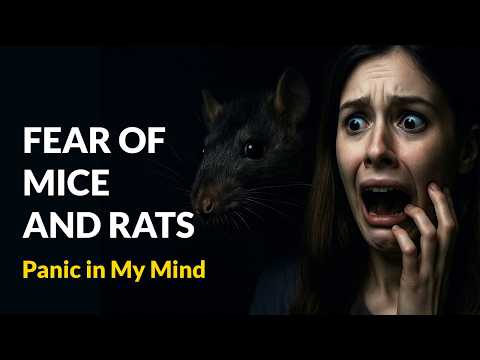
Okay, let’s chat about something kinda wild. Mouse phobia. Yup, you heard me right!
Este blog ofrece contenido únicamente con fines informativos, educativos y de reflexión. La información publicada no constituye consejo médico, psicológico ni psiquiátrico, y no sustituye la evaluación, el diagnóstico, el tratamiento ni la orientación individual de un profesional debidamente acreditado. Si crees que puedes estar atravesando un problema psicológico o de salud, consulta cuanto antes con un profesional certificado antes de tomar cualquier decisión importante sobre tu bienestar. No te automediques ni inicies, suspendas o modifiques medicamentos, terapias o tratamientos por tu cuenta. Aunque intentamos que la información sea útil y precisa, no garantizamos que esté completa, actualizada o que sea adecuada. El uso de este contenido es bajo tu propia responsabilidad y su lectura no crea una relación profesional, clínica ni terapéutica con el autor o con este sitio web.
You know, those little critters that scurry around and make everyone go, “Eek!”? For some folks, just the thought of a mouse can send them into a tizzy.
Seriously, it’s like their hearts start racing, palms sweating—a whole rollercoaster of emotions over a tiny furry creature.
But why does this happen? Is it just about squeaky noises or something deeper? Let’s dig in!
Understanding the Causes of Mouse Phobia: Psychological Factors and Triggers
Mouse phobia, or musophobia, isn’t just about disliking these little guys; it can seriously affect people’s daily lives. So, what causes this fear? Let’s break it down.
First off, a lot of phobias stem from **past experiences**. You know that time your friend yelled because a mouse scurried across the room? If you were there, it could have made quite the impression. That unexpected scare can link mice with danger in your mind.
Then there’s the whole **cultural factor**. In movies and games, mice are often portrayed as sneaky or gross. Think of those horror flicks where a mouse pops out at just the wrong moment—super scary! This can fuel anxiety because you associate them with something negative.
Another thing to consider is **biological predisposition**. Some people are naturally more anxious than others. If you have a family history of anxiety disorders, you might be more prone to develop fears like musophobia. It’s like inheriting that anxious gene.
Now let’s not forget about **learned behaviors** from parents or guardians. If you grew up in a home where everyone screamed at the sight of a mouse, guess what? You might pick up on that behavior yourself! Children are like sponges soaking up vibes around them.
Then there’s the classic fight-or-flight response triggered by fear. When you see a mouse, your body might respond with increased heart rate and sweating, leading to a cycle of heightened fear whenever one pops up around you. This physiological reaction reinforces your phobia—yikes!
And of course, there are those who might experience **generalized anxiety** which makes normal situations feel way scarier than they should be. A mouse sighting can trigger this heightened state of worry for someone already dealing with anxiety about different aspects of life.
To wrap things up, here are some key points to remember:
- Past experiences can create strong associations with fear.
- Cultural influences shape our perceptions.
- Biological factors may predispose certain individuals.
- Learned behaviors play a huge role in developing phobias.
- The fight-or-flight response keeps reinforcing that fear.
- Generalized anxiety also makes everything seem more terrifying.
If none of this resonates but you’re struggling with fear around mice or anything else really—it’s important to talk to someone who knows their stuff! Professional help can guide you through understanding and overcoming those hurdles on your own terms. You don’t have to do it alone!
Understanding the 5 Day Mouse Rule: A Practical Guide to Decision-Making and Behavioral Insights
The 5 Day Mouse Rule is a concept that’s got some interesting implications when we think about decision-making and behavior, especially in the context of something like mouse phobia. So what’s the deal with this rule? Basically, it suggests that when faced with a stressful situation or a big decision, it’s often better to give yourself five days before reacting. Let’s break it down.
- Time to Reflect: The idea behind waiting is that it allows your emotions to settle. When you’re panicking about something—say, a mouse scurrying across your living room floor—you might react impulsively. Maybe you scream or toss something wildly! But if you step back for a moment, you might realize the mouse is more scared of you than you are of it.
- Emotion vs. Logic: Our brains can sometimes work against us during high-stress situations. When you see a mouse, your immediate response may be fear or disgust. But taking time can help shift your focus from those knee-jerk reactions to more logical responses.
- Understanding Your Fears: Think about why the sight of a tiny rodent triggers such strong feelings in many people. Mouse phobia could stem from various factors—like previous traumatic experiences or even learned behaviors from family members who also freak out at the sight of a mouse.
- Using Games as an Example: Consider video games where characters face fears—like horror games with creepy crawlies. Initially, players might freak out when encountering monsters. Yet after playing for a bit, they learn coping strategies and may even find themselves laughing at their earlier reactions!
- The Bigger Picture: This rule isn’t limited to decisions about mice but can also apply to other areas in life—like career moves or relationship choices. Giving yourself five days can help you weigh pros and cons more effectively.
You know what? Sometimes we just need that little nudge back toward rational thinking instead of running on pure emotion! It’s like giving yourself room to breathe before diving into action.
Mice and Phobias: If we dive deeper into mouse phobia itself, it’s interesting how exposure therapy sometimes comes into play here too! The general idea is gradual exposure to whatever you’re afraid of—like mice—helps lessen those intense reactions over time.
Let’s be real: whether you’re facing decisions regarding mice or anything else totally stressful in life, having some tools in your toolkit makes all the difference! Just remember—the 5 Day Mouse Rule isn’t an end-all solution; if fear runs deep or feels overwhelming, chatting with someone who knows their stuff can be super helpful too.
So yeah, take those five days when needed—but also don’t hesitate to reach out for professional help if those feelings get too heavy!
Understanding How Fear of Mice Affects Sleep Quality: Causes and Solutions
So, let’s talk about fear of mice and how it can really affect your sleep. It might sound a bit silly to some, but a lot of people have this phobia, and it’s more common than you think. If you’re one of them, you’re not alone! The thing is, when fear kicks in at night, it can be a whole different beast.
First off, let’s break down what makes this fear so powerful. Just thinking about little furry critters scurrying around can send chills down your spine. You might recall an episode of a game where a tiny mouse pops up unexpectedly — that sort of surprise can trigger a fight-or-flight response in real life too. This reaction is basically your body’s way of signaling danger.
Causes of Mouse Phobia
- Early Experiences: Sometimes, if you had a scary encounter with mice when you were younger—like finding one in your room—it sticks with you.
- Cultural Influences: Mice are often depicted as pests in movies or stories. This can shape how we view them.
- Learned Behavior: If someone close to you freaks out over mice, you might pick up on that fear without even realizing it.
Now, the way this phobia affects sleep is pretty interesting yet concerning. Imagine trying to fall asleep when all you can think about is whether that little mouse you imagined will run across your floor. It’s like playing the worst game of hide-and-seek where the stakes are your peace of mind.
Effects on Sleep Quality
- Anxiety: You might feel anxious or restless at bedtime thinking about potential mouse encounters.
- Nightswatches: Instead of sleeping soundly, you may stay awake listening for any squeaks or rustling noises.
- Nightmares: Sometimes those fears materialize as nightmares about being chased by mice or waking up to find one sharing your bed!
You know what? Sleep deprivation isn’t just annoying; it messes with your mood and cognitive function too. If you’re not getting enough quality sleep because of these fears, things can spiral quickly into stress and exhaustion.
Solutions for Coping with Mouse Phobia
Now don’t worry! There are ways to manage those fears and improve your sleep quality:
- Cognitive Behavioral Therapy (CBT): This approach helps reframe negative thoughts associated with mice.
- Meditation and Relaxation Techniques: Practicing mindfulness before bed could help calm those racing thoughts.
- Easing Exposure: Gradually exposing yourself to images or videos of mice (in small doses) might lessen the fear over time.
Talking it out with friends or family who understand can really make a difference too! Seriously! Just sharing those worries can lighten the load.
In the end, if this fear becomes overwhelming and seriously impacts your life – especially sleep – it’s smart to reach out for professional help from someone trained in dealing with phobias or anxiety disorders. Never hesitate to seek guidance; you’re worth peaceful nights and sweet dreams!
You know, phobias can be pretty mind-boggling sometimes. I mean, take mouse phobia—also known as musophobia. It’s one of those fears that seems a bit irrational when you think about it, right? But for those who experience it, the panic is all too real. Imagine someone walking into a room and spotting a little mouse scurrying by. For most of us, it’s just a cute creature trying to find some crumbs. But for someone with this phobia? Their heart races, palms sweat, and they might even freeze in terror.
So what causes this intense fear? Well, there could be a bunch of factors at play. For starters, some people grow up hearing stories about how dirty mice are or how they can spread disease. You know how we often absorb things from our environment as kids? If your parents freaked out every time they saw a mouse, you might learn to associate those little critters with danger.
But it doesn’t stop at childhood experiences; genetics can also play a role. If you’ve got family members who have strong fears or anxieties—be it about mice or other things—you might be more prone to develop similar phobias yourself. It’s like inheriting that weird uncle’s love for cat videos; except it’s not as fun.
The effects of this phobia can be pretty serious too. Imagine avoiding certain places just because you think there might be mice lurking around. That’s not just inconvenient; it can really limit your world! And let me tell you about my friend Sarah—she was so terrified of mice that she wouldn’t even go into her basement during the summer when they would occasionally sneak in. She missed family gatherings down there and felt isolated because of her fear.
And guess what? The panic doesn’t just vanish when you’re away from the situation. Those feelings—anxiety and dread—can linger well beyond the moment when the mouse has dashed away. This ongoing stress can lead to issues like insomnia or even depression over time since that sense of threat feels ever-present.
So yeah, understanding mouse phobia isn’t just about knowing where it comes from; it’s recognizing how deep-rooted fears affect people’s lives in meaningful ways—even if we find them hard to grasp ourselves! In the end, whether it’s a small creature like a mouse or something else entirely, fear feels real for everyone—and understanding that is super important.